
BMW Group ‘world’s most sustainable automotive company’
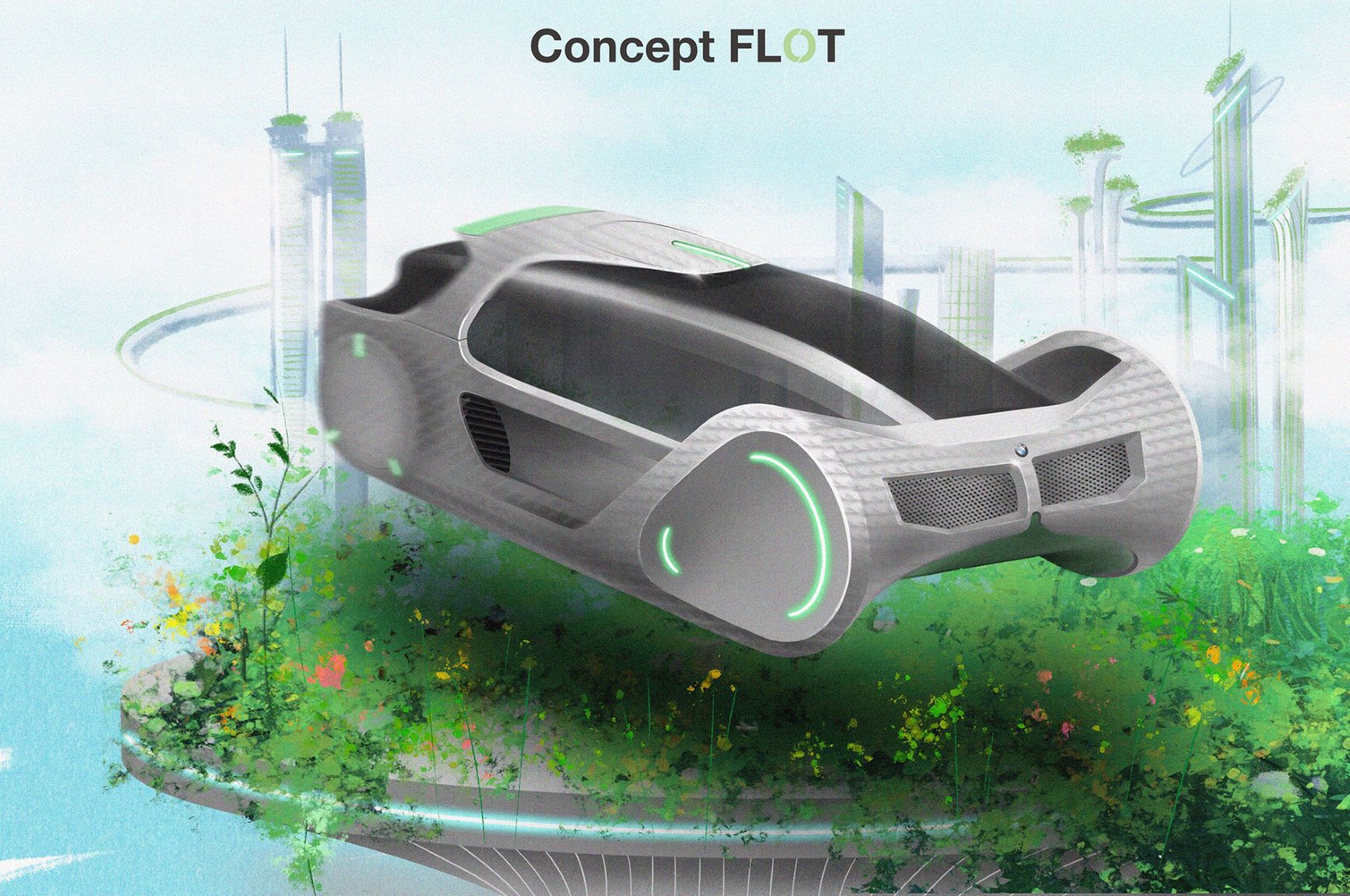
The BMW Group tops the ‘Automobiles’ category in the latest rating published by S&P Dow Jones Indices for the Dow Jones Sustainability Indices World and Europe (DJSI), gaining 80 out of a possible 100 points.
That’s from 39 automotive industry companies evaluated this year, the results showing the BMW Group has improved in all three areas of evaluation (governance and economic, environmental, social dimensions).
Tyre company Pirelli was confirmed the world sustainability leader in the ‘Automobile Components’ sector, scoring 84 points.
“The fight against climate change and how we use resources will decide the future of our society – and also of the BMW Group,” BMW AG management board chairman Oliver Zipse says.
“For this reason, we have made sustainability and resource efficiency the centre of our business alignment and anchored this approach in all divisions.”
The group’s aim is to have more than seven million electrified vehicles on the roads within 10 years – around two thirds of them with a fully-electric drive train.
The fully electric BMW iX, for instance, is due out at the end of 2021.
The group has reduced energy consumption per vehicle produced by 40% and CO2 emissions by about 70% since 2006, while all production locations use electricity exclusively from renewable sources.
The BMW Group also reduced CO2 emissions from its new vehicles sold in Europe by around 42% between 1995 and 2019 and has instituted high environmental and social standards into its supply chain management.
The group outlined its new strategic direction for sustainability in July, setting clear targets for CO2 reduction up to 2030.
For the first time, these goals extend throughout the entire lifecycle of a given product – from the supply chain through production to the end of use phase with the aim to reduce CO2 emissions per vehicle by at least one third overall.
For the fleet of more than 2.5 million vehicles produced in 2019, this would correspond to a reduction of more than 40 million tonnes of CO2 throughout their lifecycle by 2030.
The group is now seeking to reduce its emissions from production by a further 80% from 2019 levels by 2030, making CO2 emissions less than 10% of what they were in 2006.
Sourcing 100% green power from this year, the remaining CO2 emissions from production worldwide will be offset using appropriate certificates to make production climate-neutral at all plants from 2021.
Massive expansion of e-mobility will help the group reduce CO2 emissions from its vehicles by 40% per kilometre driven by 2030.
A supplier’s carbon footprint will be established too.
The BMW Group production network comprises 31 production and assembly facilities in 15 countries, with a global sales network in more than 140 countries.

Join the conversation