
BYD Racco review: 431km across Japan in BYD’s electric kei car
Gavin Shoebridge became the first Western journalist to drive BYD’s Racco kei car, covering 431km across Japan and trying to sleep in it.

Nobody flew me to Tokyo for this. EVs and Beyond paid its own way, in economy, and the hotels were the sort where the towel is more of a suggestion. Being part Dutch, I felt every cent of it.
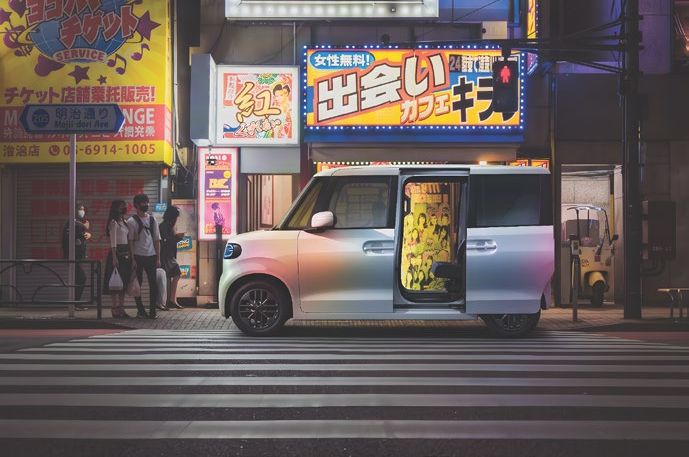
We went because the Racco is one of the most interesting cars of 2026, and because as far as anyone can tell no Western outlet had driven one. So the first person outside Japan and China to drive BYD’s kei car was me, in an underground car park in Yokohama, in 36 degree heat and heavy humidity, with no real idea how to drive in Japan.
The idea was to take a car built for city streets and tiny parking spaces, drive it into the mountains and sleep in it. Over 24 hours the Racco covered 431km. I got lost more often than I’ll admit to, fed an otter, bought a sleeping bag at a luxury outlet mall and lost a fight with the car’s own alarm.
What a kei car is
Kei cars can be no longer than 3,400mm and no wider than 1,480mm, with no more than 47kW, or 660cc if they burn fuel. In return they get tax breaks, cheaper insurance and, in some places, no need to prove you have somewhere to park. They’ve been a Japanese-only market since the 1950s and make up more than a third of new car sales.
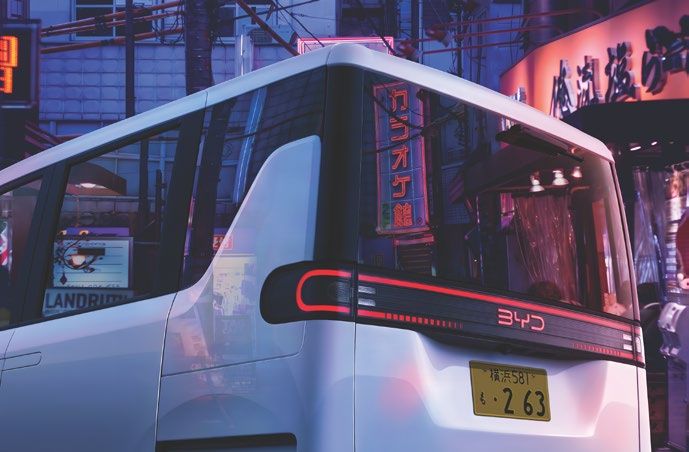
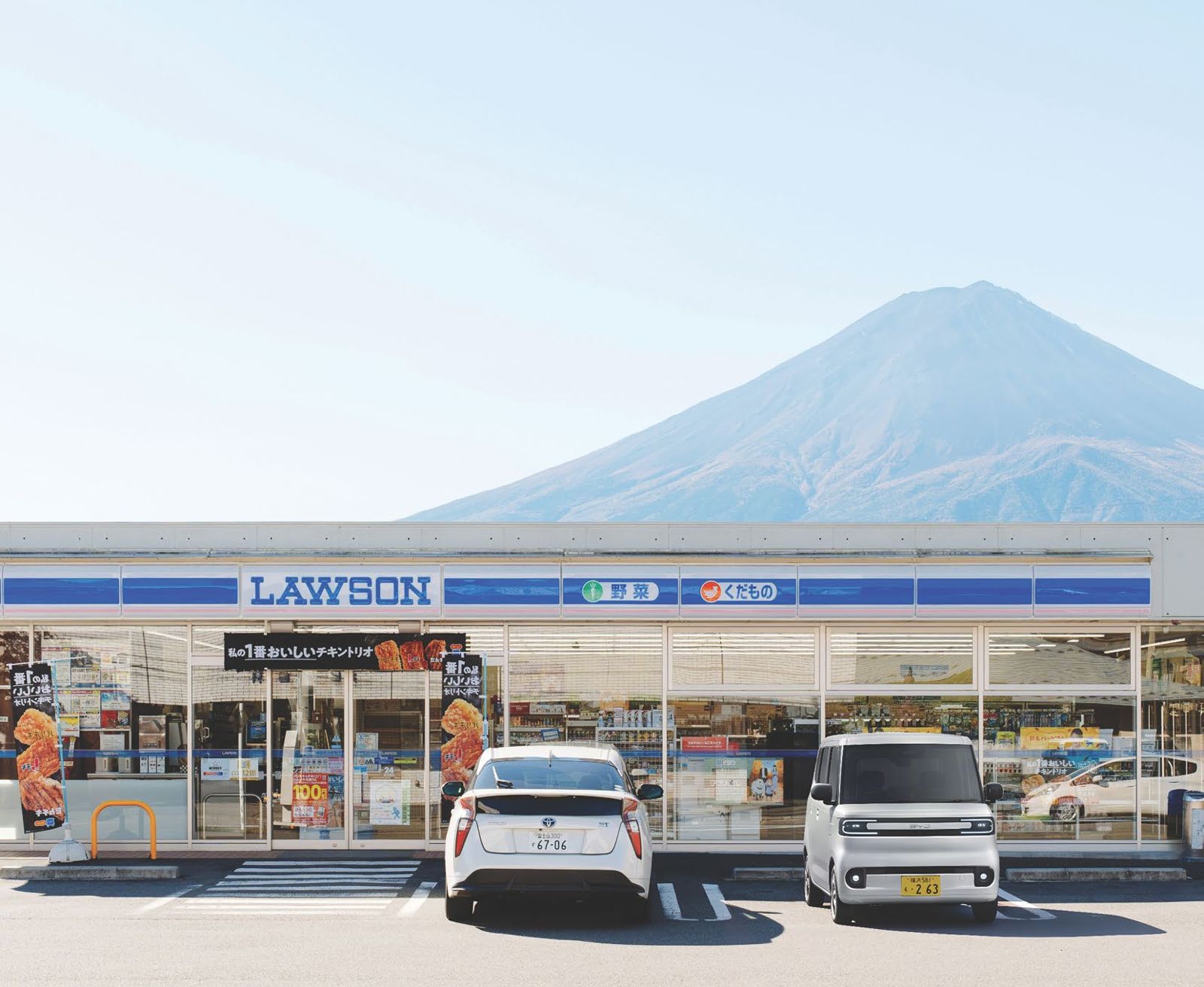
BYD developed the Racco from scratch to those rules and put it on sale on 28 July. It measures 3,395mm long, 1,475mm wide and 1,800mm tall, so it uses almost every millimetre allowed. At 1.8m tall it sits in the super height wagon class Japanese families buy, alongside the Honda N-Box and Suzuki Spacia, and it’s the first EV in that class. Suzuki president Toshihiro Suzuki has called it a serious threat.
Racco means otter, which is why my first stop was an animal cafe to feed one.
Three flavours
The Racco 200 is ¥2,145,000, about NZ$23,000, with a 22.4kWh battery and 210km of WLTC range. The 300 Plus, at ¥2,398,000 or around NZ$25,600, and the 300 Premium, at ¥2,497,000 or around NZ$26,800, both get a 35.84kWh pack and 320km. Japan’s ¥150,000 EV subsidy applies to all three.
All three use the same 47kW, 160Nm front motor and an LFP Blade battery built into the body structure. All get powered sliding rear doors on both sides, vehicle-to-load, battery preheating, over-the-air updates and level two driver assistance. I drove the 300 Premium, which has everything.
Driving it
Zero to 100km/h takes about 15 seconds, which is slower than a wet week in Greymouth. Zero to 50 takes 4.5 seconds, and in a city that’s the figure that counts. It’s enough to take a gap and get up to speed with traffic. Tokyo averages 18.4km/h at rush hour, against 23.9km/h in Auckland. At those speeds the 9.6m turning circle matters more than the power, and it turns tighter than a Geely EX2 despite being front-wheel drive.
The ride is better than it should be. A 1,220kg car on a 2,520mm wheelbase and skinny tyres would normally fidget, and this one doesn’t. It’s soft and comfortable over broken surfaces, and it leans less than the shape suggests. On the expressway it holds 100km/h easily, but it’s tall and narrow, so passing trucks push it around and you feel it.
Inside
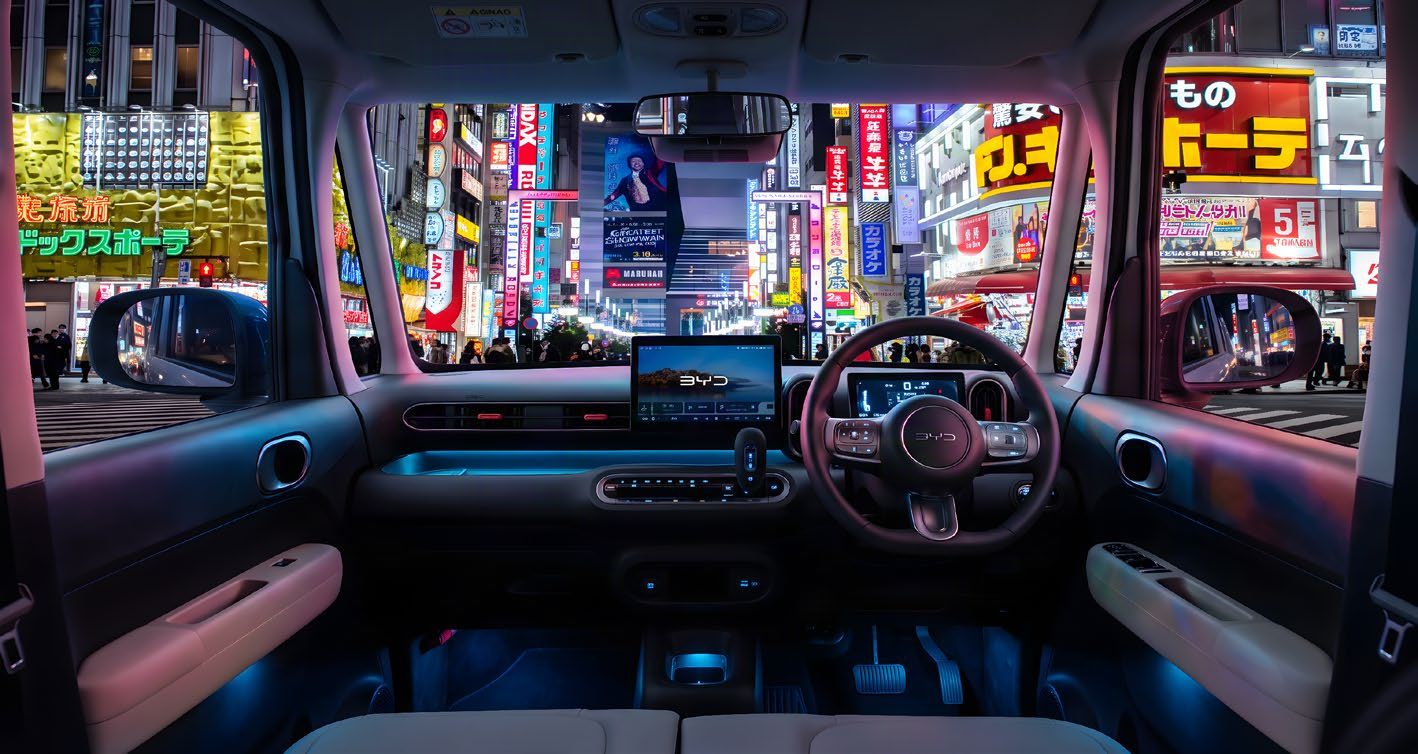
Visibility is the best of any car I’ve driven this year. The roof is very high, the A-pillars are split and moved forward out of your line of sight, and your eyes sit above the roof of the Prius in front.
The front doors open to 90 degrees. The rear sliding doors are powered, and on the Premium they open when you wave a foot through a patch of light projected under the sill. Sliding doors are usually slow, but these are small enough to be quick.
The dashboard is simple. A 10.1-inch touchscreen runs the usual BYD interface, including three-finger swipes for temperature and fan speed, and there are physical climate buttons as well. There’s USB-A, USB-C, a 12V socket and a drink warmer, but no wireless charging and no built-in navigation, so you’ll be using CarPlay or Android Auto. Mine got me badly lost in Yokohama, which was Google’s fault rather than BYD’s.
The plastics are hard throughout and the door tops are hard on your elbows, though there’s padding where your arm rests. The driver’s seat is electric and the passenger’s is manual. At 178cm I could slide back until I couldn’t reach the pedals.
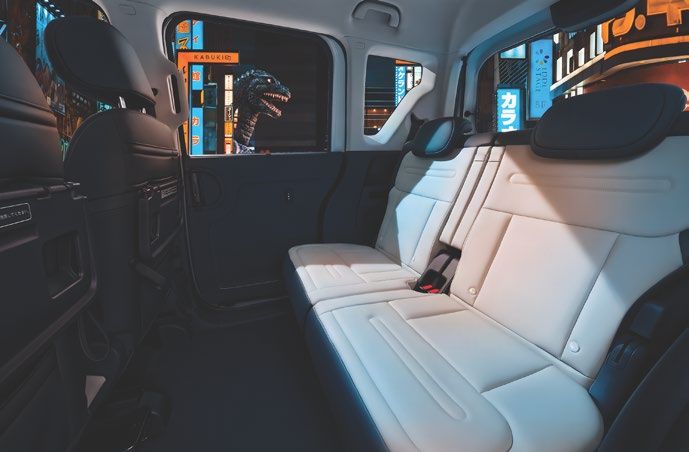
The boot holds 280 litres with the seats up and 1,372 with them folded. Under the bonnet is a motor about four potatoes in size, by the only measurement system I trust.
The rear windows only drop halfway, which is odd on a door that long. The sun visors are enormous but block very little, and the screen could be brighter in direct sun.
There are six airbags, disc brakes all round and more than 70 per cent high-strength steel in the body. There’s no crash rating yet. BYD says it’s aiming for five stars. I’m aiming to win Powerball on Saturday.
Charging
Charging is slow, and Japan’s network is most of the reason. The Premium takes 49.7kW on DC through CHAdeMO, against 35.8kW for the entry car, and 6kW on AC against 3kW. Either way, 10 to 80 per cent takes around 40 minutes. It charges like a bull on tranquilisers.
Japan has around 13,800 DC chargers for 645,000 EVs and plug-in hybrids, and 80 per cent of its rapid chargers put out 50kW or less. Queues are common. We’ve been spoiled in New Zealand.
The night in the car
I got to the campsite in the dark, hours late, folded the seats down and laid out the new sleeping bag. Then I found out the Racco’s interior sensor treats a sleeping person as an intruder. The alarm went off every time I locked it. With 18 minutes until the gate closed for the night and neighbours to think about, I gave up and found a hotel with air conditioning and a shower.
Will we get one?
BYD New Zealand says it’s monitoring the situation, and both the local operation and BYD globally are watching the response to this one. If you want a Racco here, say so in the comments on our YouTube video. They’re reading them.
Importers aren’t waiting. Parallel importers tell me a top-spec 300 Premium can be landed and complied today for just under $38,000. That price is high partly because the car is effectively being sold new twice, in two countries. It should come down quickly once used examples start turning up at Japanese auctions.
Verdict
The Racco is slow, it charges slowly and the plastics are hard. I enjoyed it anyway. It’s comfortable, roomy, very easy to drive and park, and efficient. I averaged 11.1kWh/100km over 431km. It’s also well equipped for the money in a class that has never had an outside competitor.
I’ve owned two kei cars. The first had about 130km of range and I took it everywhere, including Ukraine, so I’ll admit a soft spot for them. Even allowing for that, this one is good.
BYD has walked into the one part of the Japanese market that has never accepted outsiders and built something made for it. I reckon it’s the right car at the right time. Whether Japan agrees is another matter.

This review first appeared in issue 05 2026 of EVs & Beyond magazine, which you can download free here.

Join the conversation