
Carbn Group acquires Mevo to relaunch Wellington car-sharing
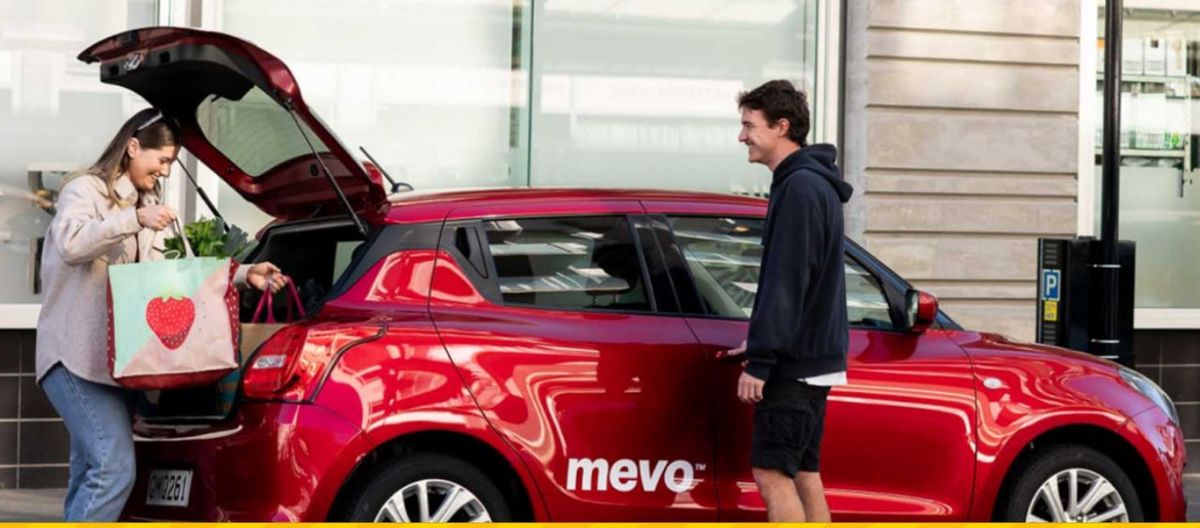
Carbn Group has acquired the brand and assets of collapsed car-sharing operator Mevo, with plans to relaunch free-floating car-sharing services in Wellington.
Carbn Group Holdings chief executive Shaun Drylie announced the acquisition on LinkedIn, saying the company recognised the importance of preserving and enhancing Mevo’s service when it entered liquidation.

“Mevo provided a vital service for Wellington and in other centres, and when it entered liquidation, we recognized the importance of preserving and enhancing that service,” Drylie says.
“Carbn has the vehicles, infrastructure, and operational capacity to swiftly reinstate carsharing in Wellington, and we are dedicated to making it a permanent solution for the city’s transportation needs.”
Mevo collapsed weeks after crowdfunding success
Mevo entered voluntary administration on March 30, just weeks after raising $3.28 million from investors through equity crowdfunding platform Snowball Effect. The raise had exceeded the company’s $2.2 million target and included a US$1 million commitment from an unnamed strategic institutional investor.
BDO’s Iain Shephard and Jessica Kellow were appointed as administrators for both Mevo Limited and Mevo Assets. Reports suggested the administration was triggered after expected funding commitments failed to materialise on schedule.
The Wellington-founded company had been operating across four cities at its peak, with a mixed fleet including Teslas, Polestars, and Suzuki Swifts.
Swift relaunch planned with broader EV focus
Drylie says the Wellington relaunch will initially feature a fleet of Suzuki Swifts under the Mevo brand, with plans for national expansion and a broader range of electric vehicle types as the business develops.
The acquisition aligns with Zilch’s existing network of 20 shared-vehicle electric hubs across New Zealand’s major centres, he says.
Drylie emphasises the broader benefits of shared mobility beyond convenience, noting they provide access to individuals without driveways, garages, or the financial means to purchase a vehicle outright.
“One shared electric vehicle travels 8-15 times more kilometers than a standard electric vehicle,” he says.
“Furthermore, they address a key challenge in the EV industry: providing people the opportunity to experience driving an electric vehicle.”
Drylie says the primary barrier to electric vehicle (EV) adoption is experiential rather than logical, with many people yet to drive one.
“Shared mobility addresses this, one trip at a time,” he says.
The company has indicated it will provide updates on the Wellington relaunch timeline and future expansion plans.


Join the conversation