
Why Chery’s Stockman plug-in hybrid ute uses a diesel, explained by its chief engineer
Chery Stockman chief engineer Mark Qi explains why the plug-in hybrid ute keeps a diesel driving the rear wheels, and how it keeps the DPF clean.
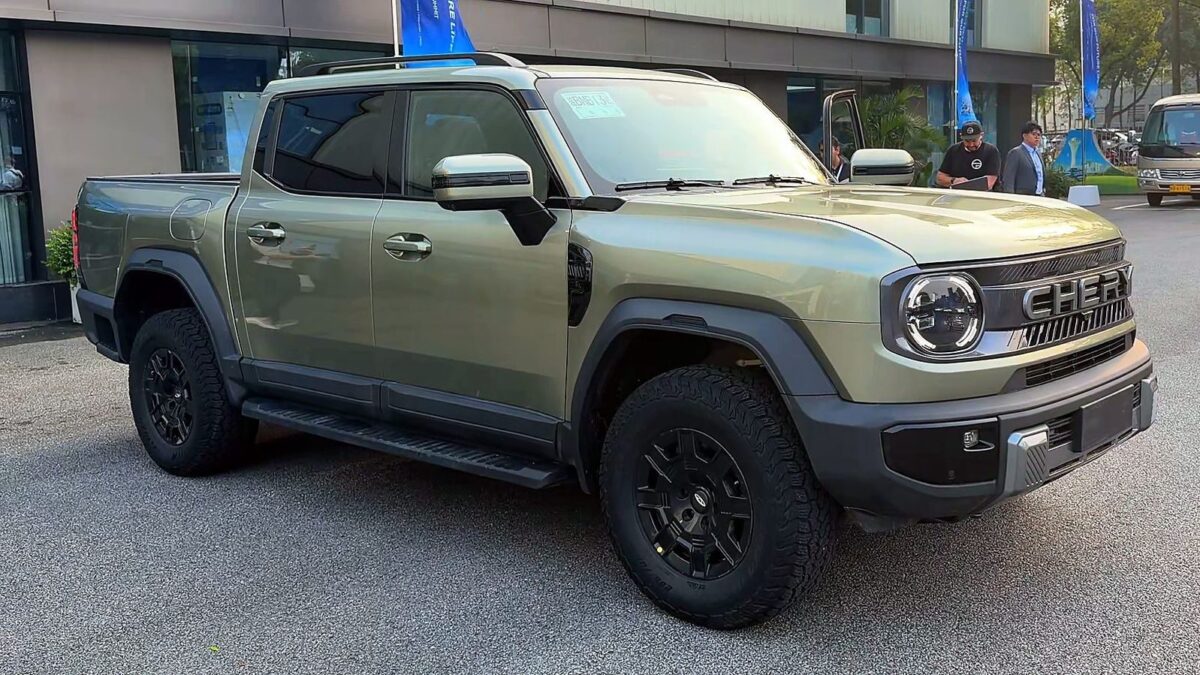
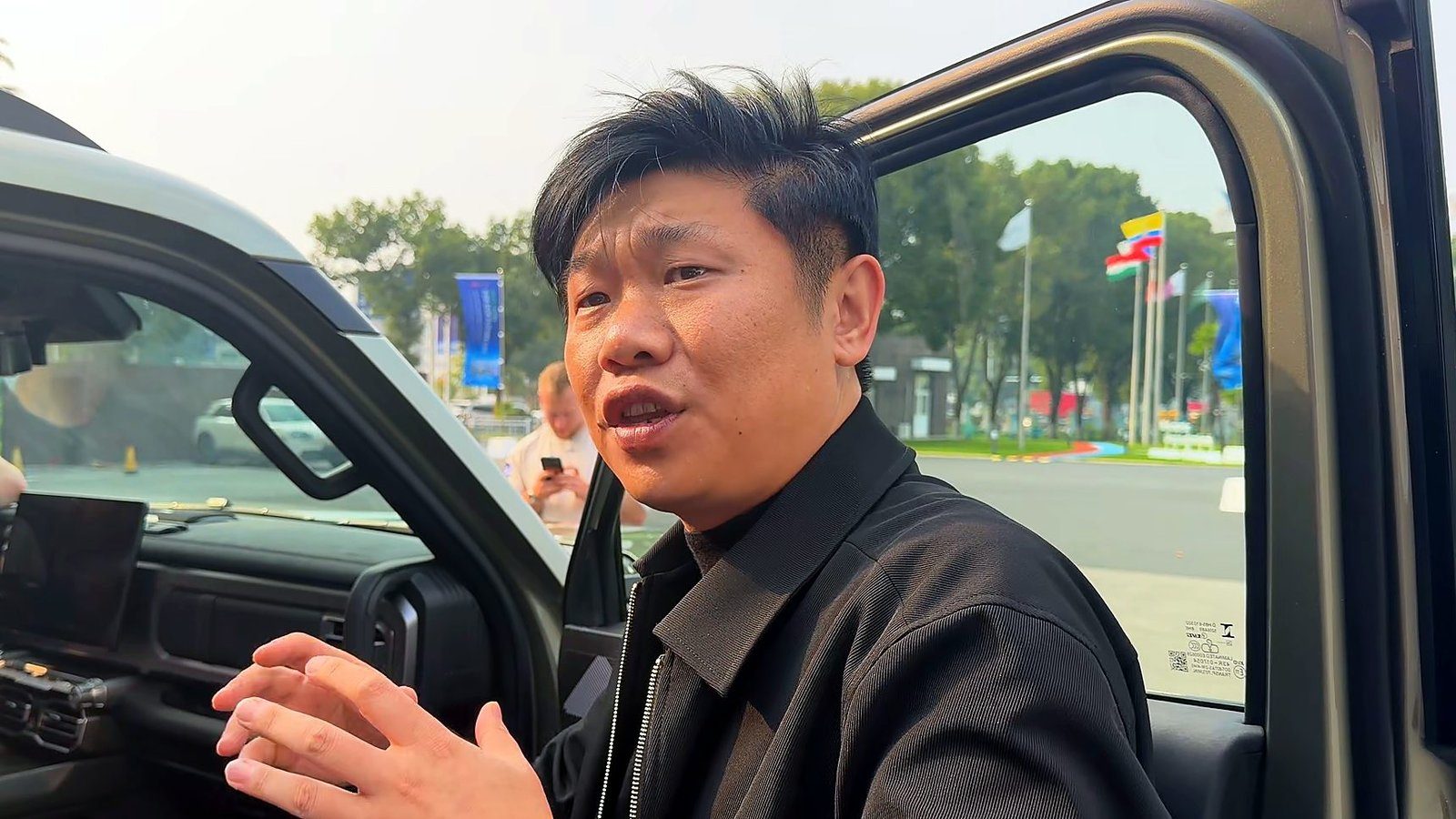
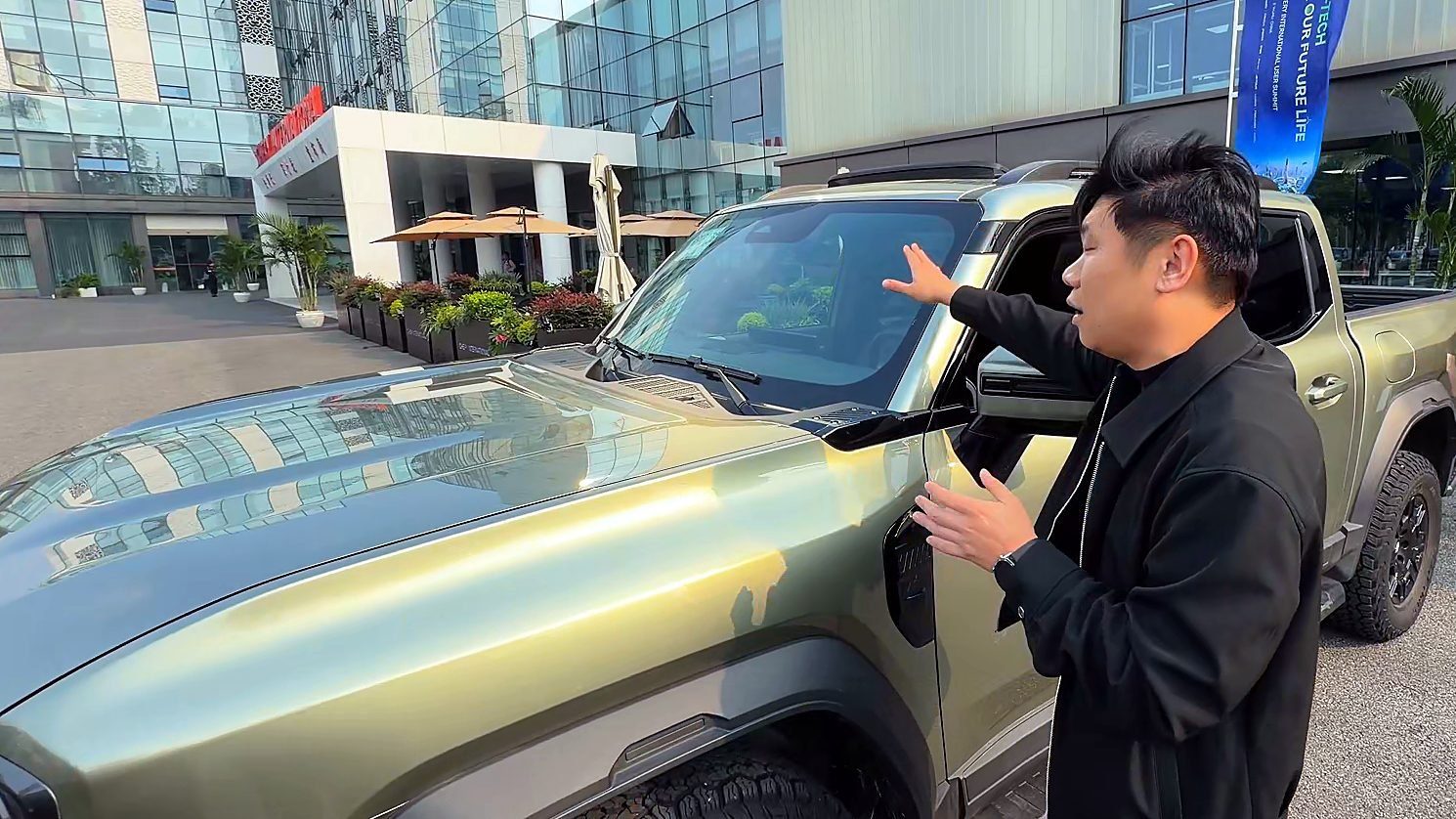
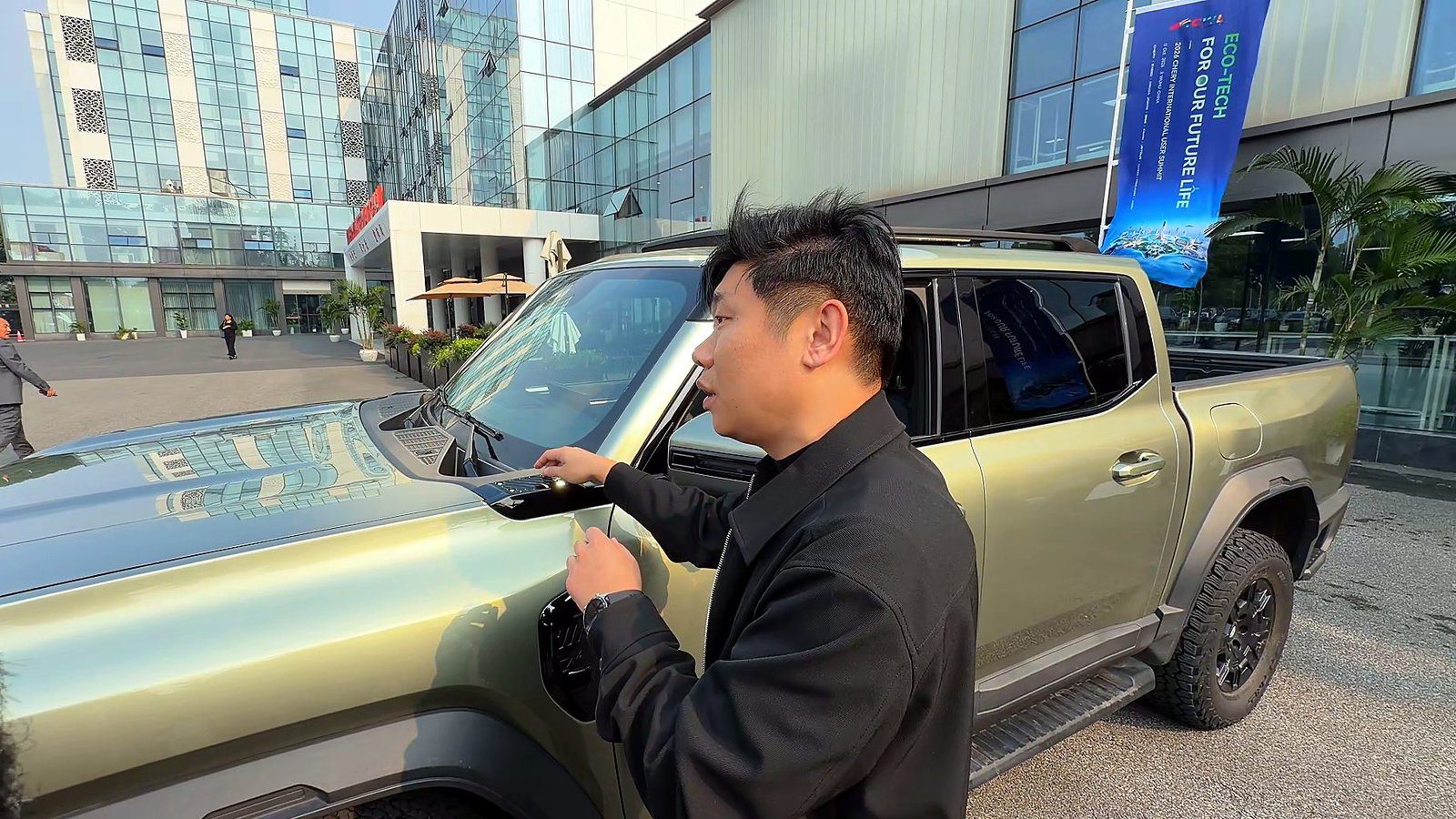
Chery Stockman chief engineer Mark Qi has walked international media through the brand’s first diesel plug-in hybrid ute at the Chery Group User Summit in Wuhu. Over 25 minutes he explained the decisions behind the vehicle, from the material used for the tub sides to why the diesel engine, not an electric motor, drives the rear wheels.
NZ Autocar has posted the full walkaround on YouTube, with Qi presenting and English subtitles throughout.
Qi previously worked on GWM’s Cannon programme from its early diesel days. He says the Stockman was never meant to be another conventional workhorse.
“In the beginning, we didn’t want to develop just another ute like the Hilux or the D-Max. They look more commercial, very normal. We want the Stockman to be strong, and a lifestyle vehicle for every customer,” he says.
Built to be modified
Qi says Chery studied how owners in Australia, South Africa and China modify their utes, and designed around it. The centre section of the front bumper unbolts so an aftermarket bull bar can be fitted without damaging the body. The windscreen base, A-pillar tops and roof rails carry fixing points for light bars and limb risers. Chery has also been working with Ironman 4×4 on accessories.
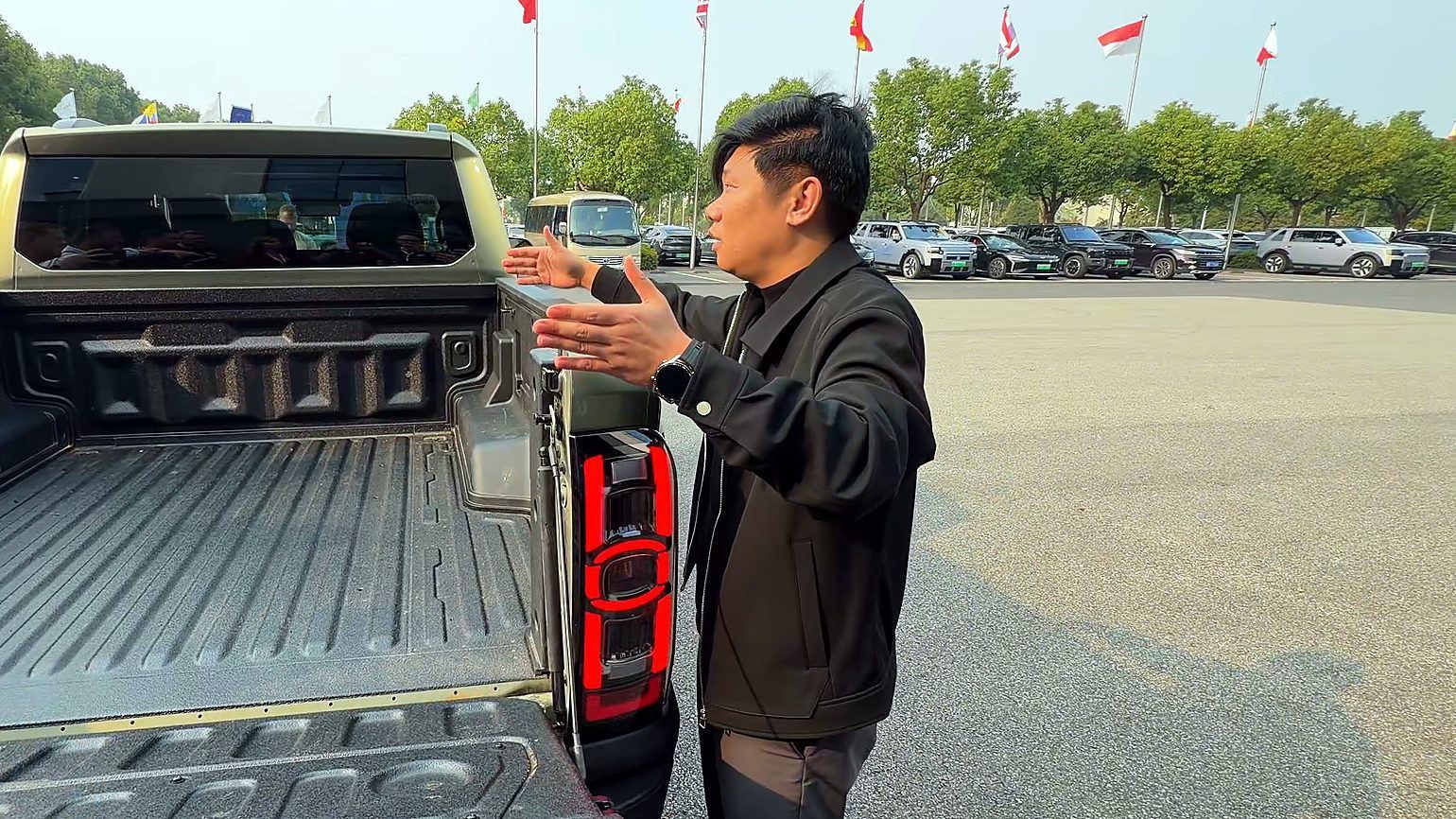
The tub sides are SMC composite rather than steel, which Qi says fixes a long-running complaint about pick-up trays.
“Even on the Ranger and the Hilux, the tub is steel welded together, so one problem is sealing. Water and dust get in if you drive for a long time. It’s not the design, it’s the structure. Steel against steel, even with a very good design, still has small gaps,” he says.
The composite also allowed Chery to mould in tie-down and fixing points along the tub walls.
Some details are cultural. The headlamp graphic draws on traditional Chinese timber joinery. Qi says the large exterior mirrors give a better view than the Ranger’s and Hilux’s, but they also carry a meaning at home: “In China we have a traditional saying: if your ears are bigger, you are lucky. So we wish all our customers good luck in business.”
Buttons stay
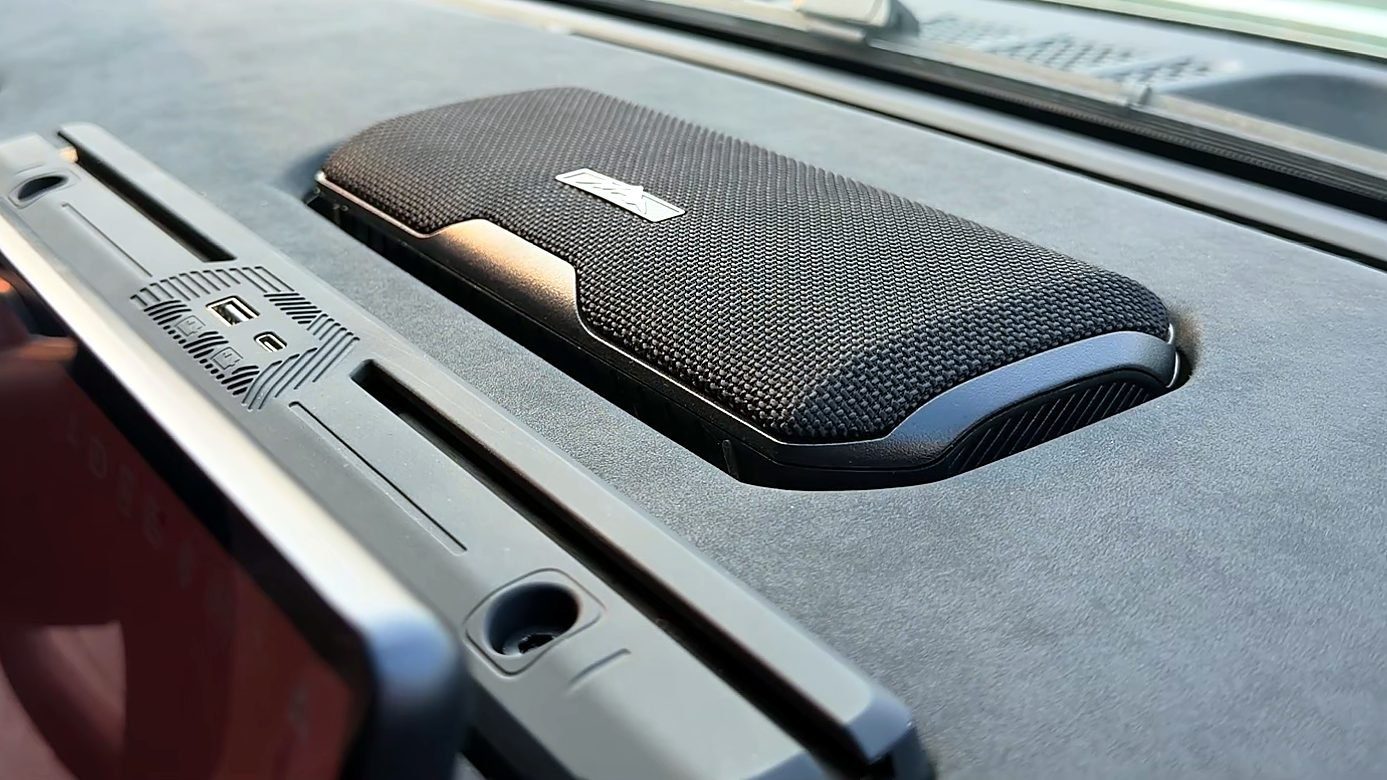
Inside, Qi defends the Stockman’s physical switches, which include a bank of five auxiliary switches.
“Now, with new intelligent vehicles, especially in China, you can’t find any switches. I don’t think this is a good choice. For some countries and some people, especially with a ute, buttons are necessary,” he says.
He also says the driver assistance systems have been retuned for Australia. “Australian roads are so different from China, especially the highways. So I told our engineers: don’t use your Chinese habits. Use Australian people’s habits and think about Australian roads.”
Why diesel
Qi says diesel accounts for more than 90% of pick-up sales in China, South Africa and Brazil, and that Chery did not want a petrol plug-in to replace it.
“We know diesel has advantages and disadvantages. At low speed the torque is very good, but the engine speed is limited. So how about diesel and electric together? On the highway at 90 or 100km/h, the diesel can drive the vehicle directly, because in that situation diesel fuel economy is better than petrol,” he says.
The layout keeps the diesel mechanically connected to the rear wheels. The Stockman has electric motors at the P1 and P3 positions and a four-speed dedicated hybrid transmission.
“When you climb a very big hill, the weight is on the rear wheels. If your engine power can only drive the front wheels, in that situation it’s useless. It’s not like the Shark, where the petrol engine only drives the front wheels and the rear wheels only use the electric motor,” Qi says, referring to BYD’s plug-in ute.
“Electric is the helper, not the main thing. Maybe for the Stockman, electric is 30 or 40%. Diesel is still the very important thing.”
Keeping the DPF clean
Qi also addressed diesel particulate filter concerns, a common question for plug-in diesels that may run the engine less often. The P1 motor spins the engine up quickly into its efficient, hot-running range, and the battery can drive the vehicle when temperatures are low.
“If the customer just uses the Stockman as a normal car, you won’t even feel the DPF needs to regenerate,” he says. He adds that electric assist at highway speeds also reduces AdBlue consumption.
Australia first
Chery lists the Stockman with a 2.5-litre turbo-diesel making 140kW and 450Nm on its own, 350kW and 800Nm combined, and a 34kWh LFP battery under the tub. The quoted electric range is 96km on the WLTC cycle. Braked towing is 3,495kg and the tub measures 1,560mm long and wide.
Australia is the launch market, with deliveries from February 2027 and New Zealand likely to follow later. Qi told media the Australian chassis tune is still being finalised, with feedback from a local test vehicle due before production starts in January.

Join the conversation