
Daimler stops hydrogen car development – too expensive
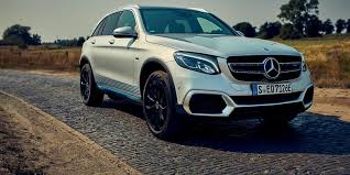 Daimler’s Mercedes-Benz is ending development of hydrogen fuel cell passenger cars after more than 30 years because it says it’s too costly.
Mercedes-Benz will wind down production of GLC F-Cell, its only current fuel-cell model developed in a 2013 collaboration with Ford and Nissan, Electrek reports.
The fuel cell electric vehicles (FCEVs) weren’t available for public sale.
An Automotive News report suggests FCEVs are about twice the expense of an equivalent battery electric vehicle (BEV) to produce, so sales prices don’t reflect the full cost.
Last year, BMW Group board member for development Klaus Froelich was reported as saying cost is the biggest issue for an FCEV. A fuel cell powertrain is 10 times more expensive than a full-electric one and prices wouldn’t be comparable until about 2025, he said at the time.
Other automakers are giving up on hydrogen cars, Electrek says.
Honda earlier stated it would stop its fuel cell project, while Volkswagen says BEV development is more favourable than hydrogen.
However, hydrogen technology is still favoured by BMW, Hyundai, and Toyota.
And Daimler will continue working on FCEV systems for heavy duty vehicles, planning to cooperate with Volvo Trucks.

Join the conversation