
Dreame unveils jet-powered electric supercar with sub-second acceleration
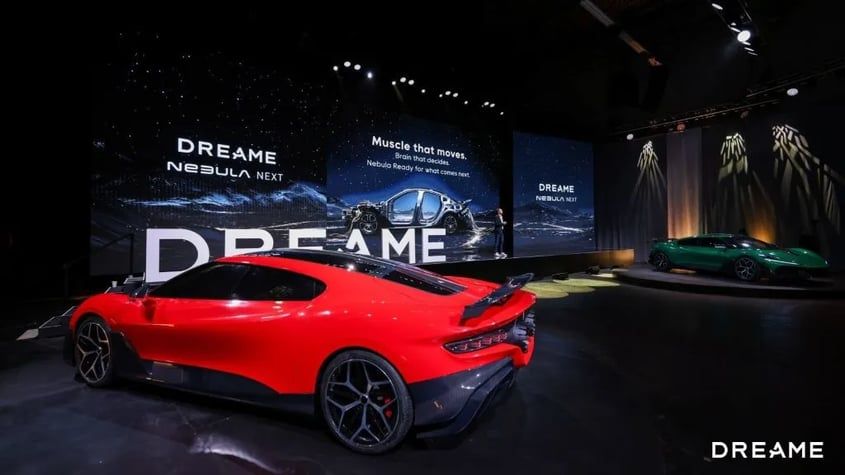
Chinese technology company Dreame has announced the Nebula NEXT 01 JET Edition, an electric supercar equipped with jet boosters that the company claims can accelerate from 0-100km/h in just 0.9 seconds.
The vehicle builds on Dreame’s previously unveiled Nebula electric supercar, adding a custom-built dual solid-fuel rocket booster system mounted at the rear. The approach mirrors Tesla’s long-promised but yet-to-materialise Roadster project, which has also featured rocket booster claims.
According to Dreame, the jet boosters can respond within 150 milliseconds and generate peak thrust of 100kN. The rocket system works alongside an all-wheel drive electric drivetrain producing approximately 1600kW.
The company says the vehicle has been under development for around a decade and was only made possible through the completion of previous products, though specific details about those earlier projects were not provided.
Advanced systems beyond the boosters
Beyond the headline-grabbing propulsion system, the Nebula NEXT 01 JET Edition showcases other advanced technologies. The vehicle features Dreame’s new light detection and ranging (LiDAR) system, which the company says uses ultra-high-definition image-level sensing to provide enhanced driver assistance.
The supercar also incorporates an electromagnetic active suspension system called EMAD. This system reportedly offers 14 degrees of movement – eight more than conventional suspension systems – though the practical benefits of this expanded range of motion were not detailed.
Dreame has reportedly told US media that production of the first Nebula NEXT 01 models will begin in 2027, though pricing and market availability details have not been announced.
The announcement adds to a growing list of extreme performance claims from Chinese automotive and technology companies as they seek to establish credibility in high-performance electric vehicle segments traditionally dominated by European and American manufacturers.
Join the conversation