
E-buses cut to meet $525m AC revenue drop
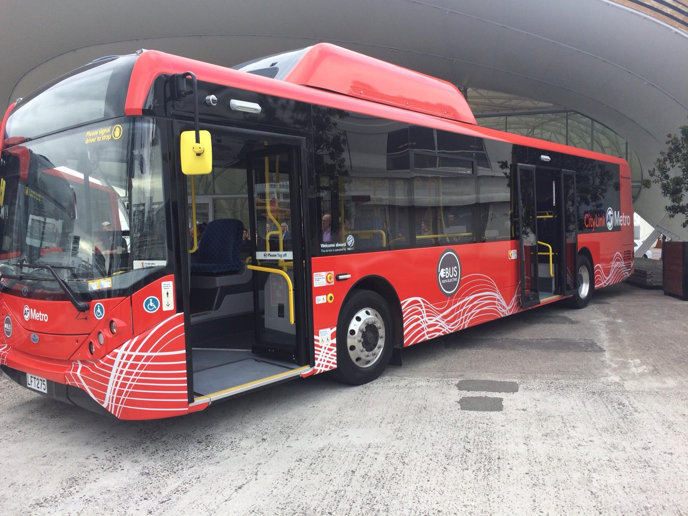
Plans for more electric buses in Auckland are likely to be on the back-burner under a proposed Auckland Council emergency budget in response to COVID-19 impacts.
“No further investment in electric buses and charging infrastructure in 2020/2021 other than three electric buses already on order,” the emergency budget states.
It suggests a number of measures to help the council meet a $525 million revenue shortfall, with public transport revenue expected to be $40m down, a $20m drop forecast in regional fuel tax, parking and enforcement revenue down $33m and a further $20m decline in other Auckland Transport (AT) revenue lines predicted.
Feedback on the emergency budget
closes on June 19 with decisions likely by July 14 before the budget is adopted by about July 30, a 2.4% to 3.5% rate rise proposed, delaying fourth quarter rates until August 31 and extending property rates postponement to businesses suffering hardship.
The Auckland Council (AC) says social distancing and more people working from home are included in the transport impacts which could also see delays to its ferry strategy (which includes the possibility of electric ferries).
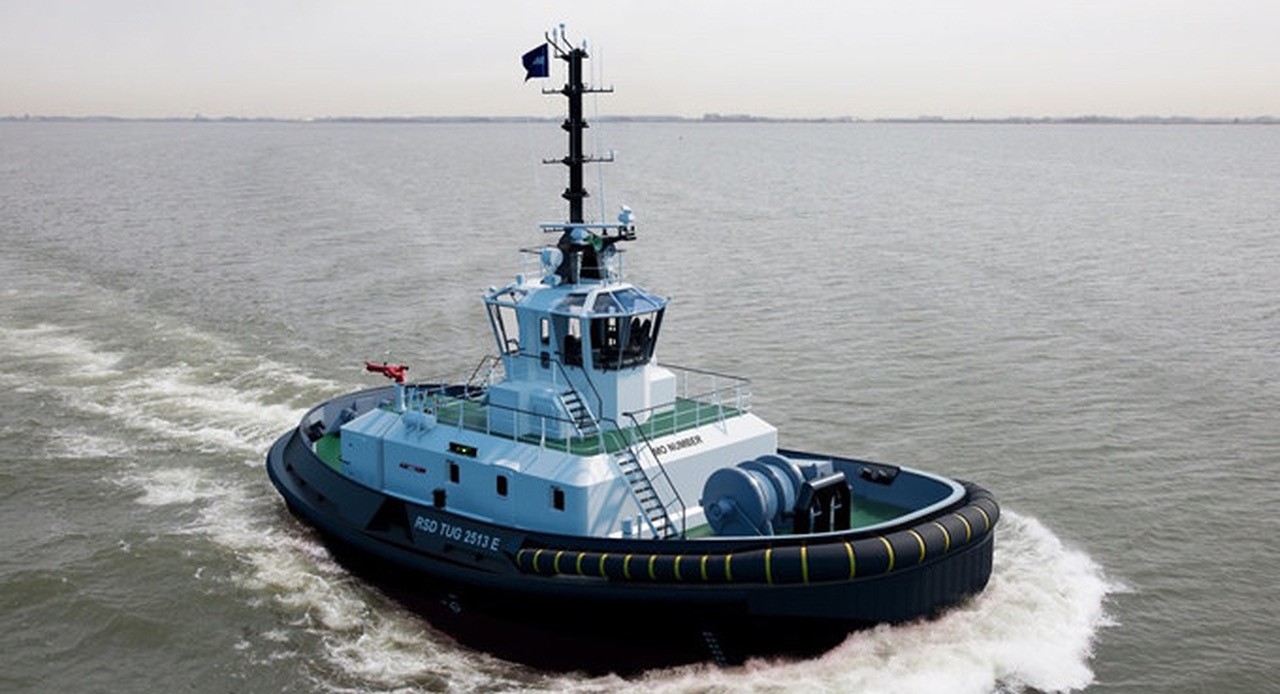
However, Ports of Auckland’s electric tug is still due in 2021 and a naming competition is being run by POAL, entries closing June 3 and the winner receiving $1000 plus a ride around the harbour in the new e-tug.
COVID-19 has had a significant impact on AT and the wider AC whanau, AT chief executive Shane Ellison says.
“AT has worked extremely hard to find additional savings and efficiencies since the crisis began, including many of our people taking voluntary pay reductions,” he says.
“We’ve paused recruitment on 170 roles and made changes across the organisation to protect as many roles as possible and ensure we are in the best place financially to begin 2020/2021. Even so, more savings will need to be found.”
Ellison says AT will have more certainty on impacts to its programme when the emergency budget is adopted in July.
“Some projects we had planned for 2020/2021 may not be able to be delivered, which will be disappointing to communities that we had already engaged with.”
If the AC opts for the 2.5% rate rise option that could mean deferral of the $1.4 billion Eastern Busway, an increase in public transport fares, and charges applying at park-and-rides.

Join the conversation