
Electric bike industry support needed: Drive Electric
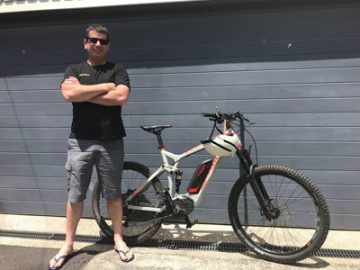
More support is needed for the e-bike industry, Drive Electric says.
E-bikes have the potential to revolutionise urban travel, but more needs to be done to support their uptake, the not-for-profit group says.
Drive Electric’s e-bike expert James Munro says sales of e-bikes are taking off around the country, with possibly 20,000 being purchased by consumers this year alone.
“E-bikes are opening up cycling to a whole bunch of people who otherwise wouldn’t be cycling.” However, more urban infrastructure is needed to help New Zealand take full advantage of this global trend, he says.
“Councils are moving in the right direction, but it would be fantastic, particularly in Auckland, to see more being done, faster. This would help reduce the critical levels of congestion, reduce pollution and improve productivity and quality of urban life. “
Napier, for example, has done a fantastic job with design and layout of its existing streets and public spaces to accommodate a wonderful network of urban cycleways, Munro says.
A director of electrify.nz, one of New Zealand’s leading importer/distributors of e-bikes, Munro helped transition Mercury’s vehicle fleet to EVs in a former role.
He says New Zealand can look to Europe for infrastructure inspiration. “Countries like New Zealand, Australia, the USA and UK fell in love with the car, while the likes of Germany and the Netherlands kept on expanding urban cycling infrastructure.”
Munro says it is positive the NZ Transport Agency is considering changes to current regulation and giving thought to a speed limit on e-bike motor output.
“The rational answer is very simple here – regulate on speed, not on power output of the motor which is a far more technical and difficult area to police and also irrelevant if a speed limit on output is in place.”
He suggests taking the best from international standards to produce a contemporary standard for New Zealand.
“A speed limit on output of 32km/h, like California, for standard e-bikes and a separate speed-bike category of up to 45km/h for road-only riding, like Switzerland and Germany, would make a lot of sense.”
The speed-bike category overseas also requires a higher standard for helmet and lights.
Munro wants product standards introduced, so people have all the information and confidence when buying e-bikes.
“A simple filter that could be applied would require all importers to produce independent test reports to show their product meets a required standard before it is allowed into the country. There is an existing European standard for e-bikes, covering all aspects of the construction and electrical systems that could be adapted with ease for New Zealand use.”
Join the conversation