
Electric ferry maker Candela raises $59M funding round
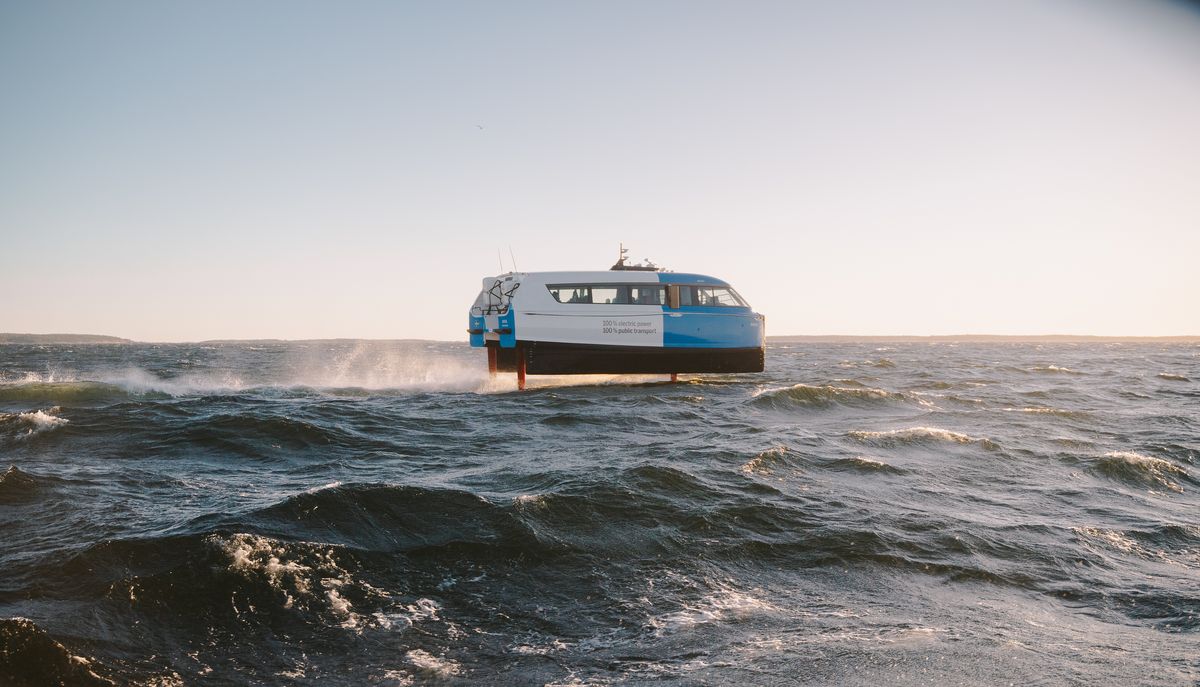
Swedish electric vessel manufacturer Candela has raised 30 million euros (NZ$59.1m) in its largest funding round to date, with the World Bank’s private sector arm joining existing investors to finance a second manufacturing facility for its hydrofoiling P-12 ferries.
The round brings Candela’s total capital raised to €129 million (NZ$254m) since inception, making it the best-funded electric vessel manufacturer globally. The International Finance Corporation (IFC) contributed €8 million (NZ$15.7m) alongside existing shareholders EQT Ventures, SEB Private Equity, KanDela AB, and Ocean Zero LLC.
The funding comes amid soaring oil prices and a broader downturn in climate-tech investment, following successful real-world deployment of the P-12 in public transport across Stockholm, Gothenburg, Oslo, and Trondheim.
Hydrofoil technology cuts energy use by 80%
Named one of TIME magazine’s most important inventions of 2025, the P-12 is the world’s first electric hydrofoil ferry in scheduled commuter service. The vessel uses Candela’s proprietary computer-controlled hydrofoil system and C-POD motors to lift above the water, cutting energy consumption by up to 80% compared to conventional ships while producing zero wake.
“From a physics perspective, ships have been essentially the same for hundreds of years,” says Gustav Hasselskog, founder and chief executive. “We’re redefining waterborne transport by effectively creating a new category of vessel. This allows cities and municipalities to finally take full advantage of waterways – while escaping the fossil-fuel cost trap that has long prevented them from being used efficiently.”
The P-12 has demonstrated strong technical performance, significantly reduced operating costs, and dramatically shorter travel times compared to traditional diesel ferries in Nordic deployments.
Global expansion planned with second factory
With serial production now running and first customer deliveries starting this month, more than 65 vessels are currently on order. From 2026, deployments are planned for Mumbai, where a fleet of ten P-12s will cut travel times from Navi Mumbai Airport to the city centre from around two hours to 35 minutes.
Additional markets include the Maldives, Saudi Arabia’s NEOM project, and Thailand.
Candela is establishing a second factory in Poland to scale production using platform-based serial manufacturing, breaking from the maritime industry’s traditional reliance on one-off construction.
“By moving away from small-series production – which inevitably drives high costs – we’ve built a platform that serves multiple markets,” says Hasselskog. “This allows us to deliver technologically advanced carbon-fibre vessels with industry-leading operating costs at a competitive price point, freeing operators from the cost trap of fossil-fuel ships.”
Investors back commercial viability
The funding round defies challenging market conditions, with climate tech funding down around 50% since 2021 according to Hasselskog.
“This investment reflects IFC’s commitment to advancing innovative transportation solutions in emerging markets,” says Farid Fezoua, IFC Director for Equity, Funds and Venture Capital. “By supporting Candela’s expansion, we aim to accelerate the adoption and early deployment of breakthrough maritime technology in emerging markets, mobilise private capital, create high-value jobs, and enable more efficient water-based mobility.”
Marnix van der Ploeg, Managing Director at EQT Ventures, says rising fuel costs are fundamentally changing waterborne transport economics. “Candela’s hydrofoil technology dramatically lowers operating costs, making electric vessels commercially superior to traditional ferries. That’s why we backed the company early and are proud to continue supporting the team as they scale production globally.”
Simone Hirschvogl, Investment Director at SEB Private Equity, says the company has demonstrated global demand with sales across the Nordics, the United States, and key Asian markets.
“In a market where climate tech funding is down around 50% since 2021, raising our largest round ever sends a clear signal: the transition is moving beyond subsidies and green premiums,” says Hasselskog. “Our vessels win on cost and performance, and that’s why investors are backing Candela.”
While Candela’s technology targets international markets, New Zealand’s extensive coastline and existing ferry networks could present future opportunities for similar hydrofoiling vessel technology as the maritime transport sector seeks lower-emission alternatives.
Join the conversation