
Electric vehicle momentum builds in steady Australian market
Australia’s new vehicle market recorded 87,092 sales in January 2026 – up 0.3% year-on-year – but the headline stability masks a dramatic shift toward electric powertrains, according to Federal Chamber of Automotive Industries (FCAI) data.
Electric vehicle performance dominated the month’s results, with plug-in hybrid electric vehicles (PHEVs) delivering standout growth of 170.5% to reach 5161 units and capture 5.9% market share.
Battery electric vehicles (BEVs) maintained steady momentum at 8.4% of total sales, while hybrid vehicles held a substantial 17.4% market share. Combined, electrified vehicles now represent more than 30% of Australia’s new vehicle market.
FCAI chief executive Tony Weber says the electrification trend is reshaping buyer behaviour.
“We are seeing fewer petrol vehicles sold and rapid growth in plug-in hybrids, while uptake of hybrid and battery electric vehicles is more stable,” Weber says.
The shift is stark when measured against conventional powertrains. Petrol vehicle sales fell 14% in January, highlighting the accelerating transition away from internal combustion engines.
Chinese EVs drive market change
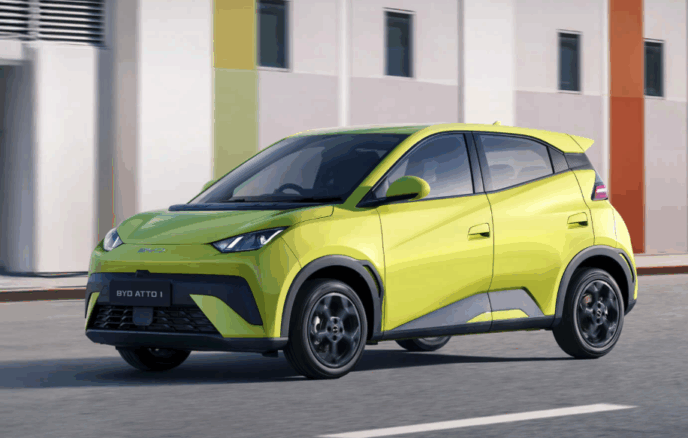
The electric vehicle surge is closely linked to the rise of Chinese manufacturers, with Chinese-sourced vehicles increasing 68.6% year-on-year. Many of these imports are electrified models that have expanded consumer choice and competitive pricing in the EV segment.
Among individual models, the Mitsubishi Outlander – available as both a PHEV and conventional hybrid – ranked fifth in overall sales with 1975 registrations, demonstrating strong consumer appetite for electrified SUVs.
Regional EV adoption varies
Victoria led overall market growth at 6.3%, reaching 24,222 vehicles, while Western Australia recorded the largest decline at 12.7% to 8952 units. These regional variations often reflect different EV infrastructure development and policy settings across states.
Passenger vehicle sales increased 4.6% year-on-year, a segment where electric options are increasingly prominent. SUV sales rose 1.0%, with many electrified SUV models contributing to this growth.
Commercial vehicle segments showed mixed results, with light commercial vehicle sales down 2.5% and heavy commercial vehicles declining 12.4%. The commercial EV transition remains in earlier stages compared to passenger vehicles.
Weber says January’s results show a market adapting to new technologies.
“January’s figures show a market that is stable, with Australians continuing to purchase vehicles that meet their needs for work, family and lifestyle,” he says.
The Australian EV performance trends align with similar patterns in New Zealand, where electrified vehicles have gained significant market share and Chinese brands have established strong footholds in recent years.
With PHEV sales more than doubling year-on-year and BEVs maintaining solid market share, Australia’s electric vehicle transition appears to be gaining momentum despite overall market stability.

Join the conversation