
Energy innovation amendment bill passes third reading
The government is announcing new measures to support the uptake of electric vehicles and improve energy efficiency in New Zealand.
Passing its third reading, the energy innovation (electric vehicles and other matters) amendment bill, will implement parts of the government’s electric vehicles programme, make changes to the Energy Efficiency and Conservation Authority’s (EECA) levy funding, and clarify how electricity industry legislation applies to secondary networks.
“With 99% of transport energy coming from non-renewable sources, this Bill will help reduce transportation sector emissions by encouraging the uptake of electric vehicles (EVs),” says transport minister Simon Bridges.

“We are already seeing an increase in EV uptake, with the highest number of EVs registered in a month in May 2017,” he says.
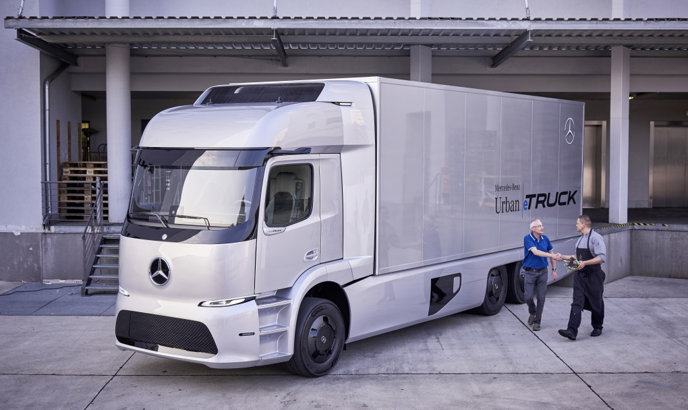
“The law change means heavy electric vehicles can be exempted from road user charges and road controlling authorities (such as councils and the NZ Transport Agency) will be able to make bylaws to allow EVs to use special vehicle lanes,” says Bridges.
Energy and resources minister Judith Collins says the bill makes a few small changes to some laws, but the changes will have substantial benefits.
“We are also adjusting the way EECA recovers its levy funding, so it applies across three existing levies rather than one. By adding a transport fuels levy and a natural gas levy to the existing electricity levy, EECA will now be able to spread levy funding across more activities to find the greatest gain,” says Collins.
“We think there are opportunities to improve New Zealand’s energy productivity and reduce emissions by focussing on the transport and industrial sectors in addition to electricity efficiency,” she says.
The bill also addresses secondary networks which are electricity networks indirectly connected to the national grid, such as via a local distribution network.
Secondary network providers are often providing services that are the same as those set out on a local distribution network, but may not be subject to the same obligations and requirements due to the current uncertainty in the legislation.
“Our aim is to resolve any uncertainty for secondary network providers, to have consistent treatment across the business who are providing a similar service to consumers,” says Collins.
“Clearing up this legislation is very important as secondary systems enable innovation in the supply of electricity. We want to be future focussed to allow New Zealanders to innovate with new power solutions,” she says.



Join the conversation