
EV batteries lasting well

Early EVs will still get good mileage out of batteries after a decade, a survey shows.
Nissan Leaf batteries will deliver at least 85km range on average after 10 years, with some models going further.
This estimate comes from Flip the Fleet, a citizen science coalition of more than 470 electric and plug-in hybrid vehicle owners that upload data from their vehicles to a communal database monthly.
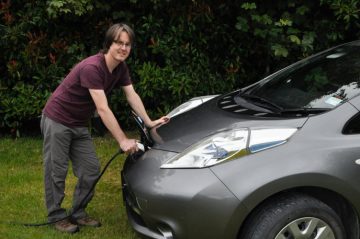
“Many people are understandably passionate about battery health in their electric vehicles”, Flip the Fleet statistician Dr Daniel Myall says. “It determines the EV’s range and affects resale value. Just as your cell phone battery gradually loses its ability to hold charge, so too an EV cannot store as much energy as it gets older.
“For most EV owners, we have good news”, Myall says. “The battery in Nissan Leafs, one of the commonest EVs on our roads, loses on average between 2% and 4% of its range each year.”
Most EV owners reported in an earlier questionnaire they want to refurbish their battery or replace their EV once its range falls to around 85km.
“The actual average daily travel by car in New Zealand is less than 29km. We expect Nissan Leafs to achieve at least this distance for many years to come,” Myall says.
The Flip the Fleet team is struck by the huge variation between cars in battery health. One has only slipped to 95% charge holding capacity over five years, while another is down to 71% after six years. It wants to find out why some batteries last way longer than others, so owners can be advised how to protect their investment.
It is the car’s age that matters most – Flip the Fleet saying there’s no evidence in its database that battery capacity is greatly affected by overall distance travelled, or how many fast charges it has had.
“We need more data for EVs as they age in New Zealand conditions before we can find out what causes the variation in battery health,” Myall says. “And to check that rates of decline observed so far continue throughout the life of the battery. We hope more EV owners will sign-up to help Flip the Fleet so that we can learn faster.”
The first Nissan Leafs hit the road in 2011, so some will become impractical by 2021, Flip the Fleet says. The earliest EVs may need battery refurbishment in a few years, with those in newer and more expensive EVs expected to have a longer life.
A fledgling battery refurbishment industry here is led by Carl Barlev from Bluecars in Auckland.
“We just need to scale up this support industry in the next few years to extend the life of these very early entry-level EVs”, Barlev says.
“The battery can have an afterlife as a power storage pack in your house. But propelling your car for over ten years is a good first innings and well within the range where the savings on the fuel and maintenance more than pays for the replacement battery you will need eventually.”
Refurbishing an EV battery costs $2000-$5000, not much for at least another decade of low cost motoring, Barlev says.
Newer EVs have bigger and better batteries, so it’s even less of an issue for them.
Flip the Fleet says battery capacity decline is likely to be a small and manageable issue for most EV owners, and battery replacement costs are sufficiently low to make EVs an excellent life-time value proposition.

Join the conversation