
EV charging stations 60km apart in EU?
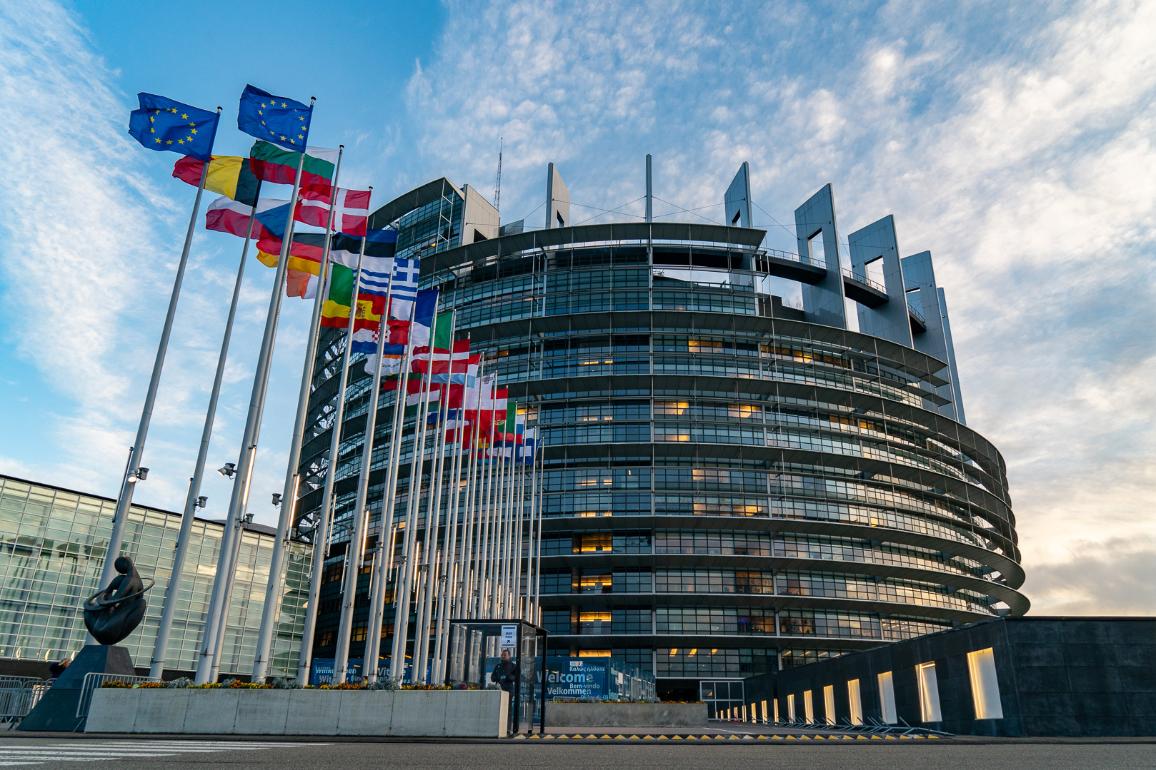
Cars should be able to recharge every 60km and refuel hydrogen every 100km along main roads, and ships use port power supply, to help the European Union become climate neutral by 2050.
The European Parliament transport and tourism committee has adopted a draft negotiating mandate on the deployment of alternative fuels infrastructure that aims to spur deployment of recharging or alternative refuelling stations (such as electric or hydrogen) for cars, trucks, trains and planes and support the uptake of sustainable vehicles.
Members of the European Parliament (MEPs) agreed to set minimum mandatory national targets for the deployment of alternative fuels infrastructure and to ask EU countries to present their plan by 2024 on how to achieve it.
According to the adopted text, electric charging pools for cars would have to be deployed at least every 60km along main EU roads by 2026.
For trucks and buses, the same requirements would apply by 2026, but only on core Trans-European Transport Networks (TEN-T) routes.
MEPs also want charging stations for trucks in a safe and secure parking place to be deployed more quickly – two charging stations from 2028 instead of one from 2031 as proposed by the European Commission. In all cases, some deployment exemptions would apply to outermost regions, islands and roads with very little traffic.
See the IDTechEx report on Charging Infrastructure for Electric Vehicles and Fleets 2022-2032 for further information.
MEPs also suggest setting up more hydrogen refuelling stations along main EU roads compared to the commission proposal (every 100km as opposed to every 150km) and to do it faster (by 2028 as opposed to by 2031).
Users of alternative fuel vehicles should be able to pay easily, the price should be displayed per kWh or per kg, be affordable, comparable and accessible to all vehicle brands.
MEPs also want an EU access point for alternative fuels data to be set up by 2027 to provide information on the availability, waiting times and prices at different stations.
“Sustainable alternative fuels and the deployment of their infrastructure play a key role in the transition to a successful decarbonisation of the transport sector. By expanding charging infrastructure more quickly, we are making the transition to climate-friendly mobility easier for people and the industry,” says alternative fuels infrastructure MEP Ismail Ertug.
Transport MEPs also voted through a draft negotiating mandate on sustainable maritime fuels rules (FuelEU Maritime).
It aims to cut maritime sector greenhouse gas (GHG) emissions from ships by 2% as of 2025, 20% as of 2035 and 80% as of 2050 (The European Commission proposed a 13% and 75% reduction).
This would apply for ships above a 5000 gross tonnage, in principle responsible for 90% of CO2 emissions, to all energy used on board in or between EU ports, and to 50% of energy used on voyages where the departure or arrival port is outside of the EU.
MEPs also set a target of 2% of renewable fuels usage and mandated containerships and passenger ships to use onshore power supply while at berth at main EU ports as of 2030, the committee wanting penalties for failure to do so. Revenues generated from these should go to the Ocean Fund and contribute to decarbonising the maritime sector, energy efficiency and zero-emission propulsion technologies.
“This agreement strikes the balance between ensuring that our climate targets are met efficiently, while safeguarding the maritime sector’s competitiveness and shielding industries and families from rising prices,” says sustainable maritime fuels MEP Jörgen Warborn.
Once the European Parliament as a whole has approved this draft negotiating position at the October II plenary session, MEPs will be ready to start talks with EU governments on the legislation’s final shape.

Join the conversation