
EVs affected by stink bug issue
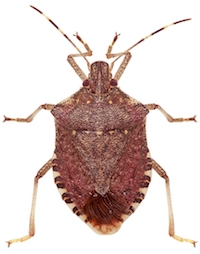
Electric vehicle importers are among those impacted by the stink bug discoveries which have led to four ships turning away from New Zealand waters.
“I think everyone has cars stuck on these boats,” says Henry Schmidt of Autolink Cars in Auckland, who specialises in EVs.
He has 15 used cars on one vehicle carrier, about eight on another and more on another ship.
Several Christchurch EV dealers told EVtalk they are waiting for vehicles too, one with up to 30 on board.
Another meeting is planned on the issue today involving automotive industry representatives and the Ministry for Primary Industries (MPI) following yesterday’s meeting.
Schmidt plans to attend today and says MPI needs to bite the bullet and get the ships sprayed, even if it’s done offshore.
He says many cars have been presold, so he’s urging people to be patient while the matter is sorted.
“It’s a pain, to be honest,” says Schmidt, who believes the issue will have serious repercussions unless it’s fixed quickly.
“My argument is that from now on everything should be cleared in Japan first, no matter what.
“If we don’t have cars coming out within the next two or three weeks we will be close to having no cars to sell.”
The biosecurity threat centres around the discovery of mainly brown marmorated stink bugs, dead and alive, on board the vessels.
The stink bugs and other insects were found on three ships carrying cars and heavy machinery during February, with another deciding not to berth in Auckland after the crew discovered bugs.
“The vessels now face additional inspection and fogging with insecticide to flush any insects out of confined spaces. All car carriers from Japan are now subject to the inspection and verification measures,” a ministry spokesman told AutoTalk.
The measures are in place at Auckland and other New Zealand ports.
Whether containerised vehicles from Japan also need additional biosecurity measures is being considered by MPI.
The ministry introduced more stringent checks for sea containers from Italy in January because of the bug which can devastate New Zealand’s crop



Join the conversation