
EVs help in hurricane
Hurricane Helene left more than 200 dead and hundreds more people missing in the US.
Stretching across six states, damage has been catastrophic and relief efforts complicated by widespread infrastructure destruction, damage estimated at hundreds of billions of dollars, says National Car Charging, adding that could also make Hurricane Helene one of the most expensive natural disasters in US history.
“As the hurricane disrupted power grids and rendered much of the traditional infrastructure useless, renewable energy systems and EVs stepped in to provide critical support,” it says.
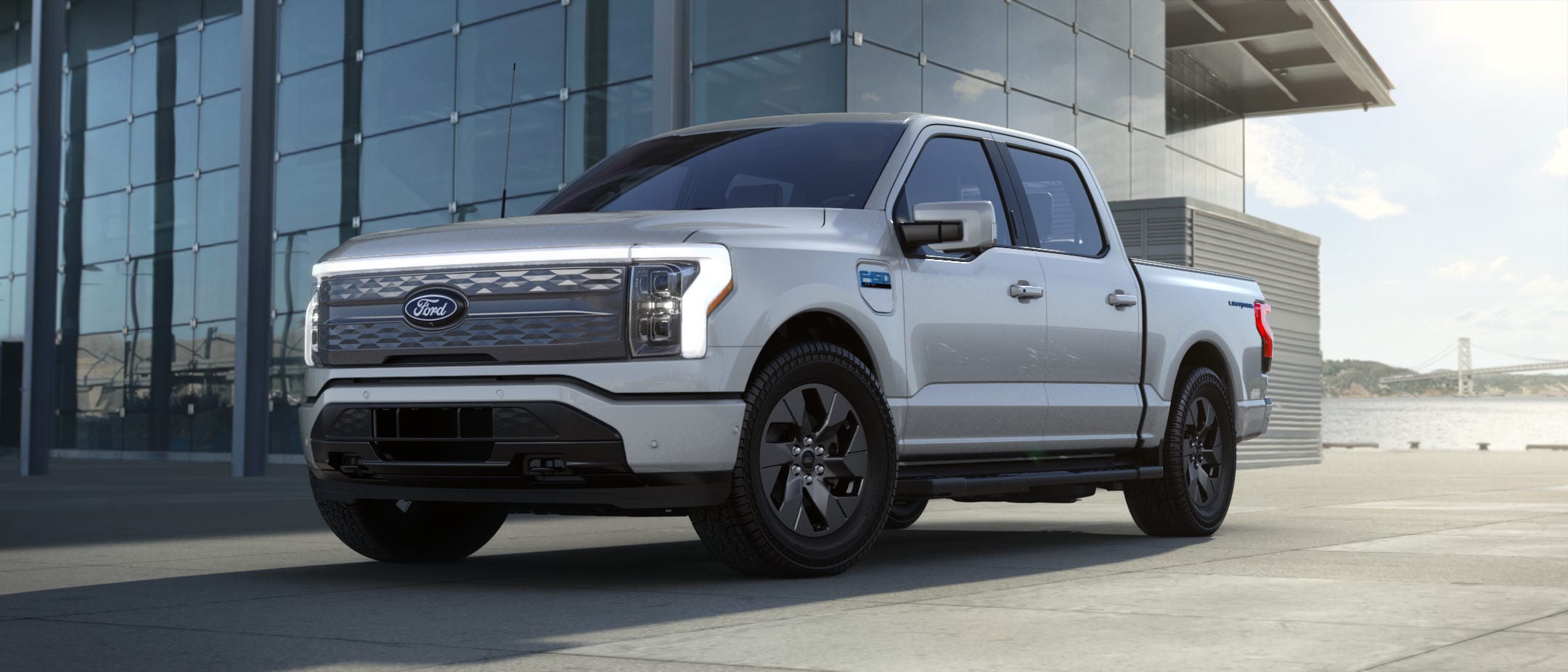
“This moment offers a crucial lesson in how clean energy can aid recovery efforts in the face of natural disasters,’ says National Car Charging, explaining that many people turned to EVs like Ford’s F-150 Lightning and Rivian’s R1T for emergency power.
“These electric trucks, with their ability to serve as mobile power stations, became lifesavers for those cut off from the grid.
“For example, Dustin Baker in Charlotte, North Carolina, used his Ford Lightning to power essential appliances in his home, such as his refrigerator and freezer. But his truck didn’t just help his household – he was able to extend power to his neighbour as well.”
National Car Charging says EVs offer a game-changing advantage in emergency preparedness.
“When the grid fails, vehicles like the Ford Lightning can power essential home appliances or medical equipment for days, or even the entire home for three to 10 days, depending on energy use.
“This feature, known as bidirectional charging, allows EVs to send energy back to the grid, home, or even other vehicles, transforming the way we think about energy resilience and preparedness.”

A Rivian R1T swept more than 30 metres by floodwaters during Hurricane Helene in Asheville, North Carolina, remained operational – testament to the water-sealed battery packs and advanced isolation monitoring systems in the vehicle, which National Car Charging says is technology that makes EVs more resilient in conditions that would destroy most internal combustion engine (ICE) cars.
It says solar panels connected to home battery storage systems kept many homes powered during the hurricane.

Join the conversation