
EVs promoted in ‘Charged Up’ webinar
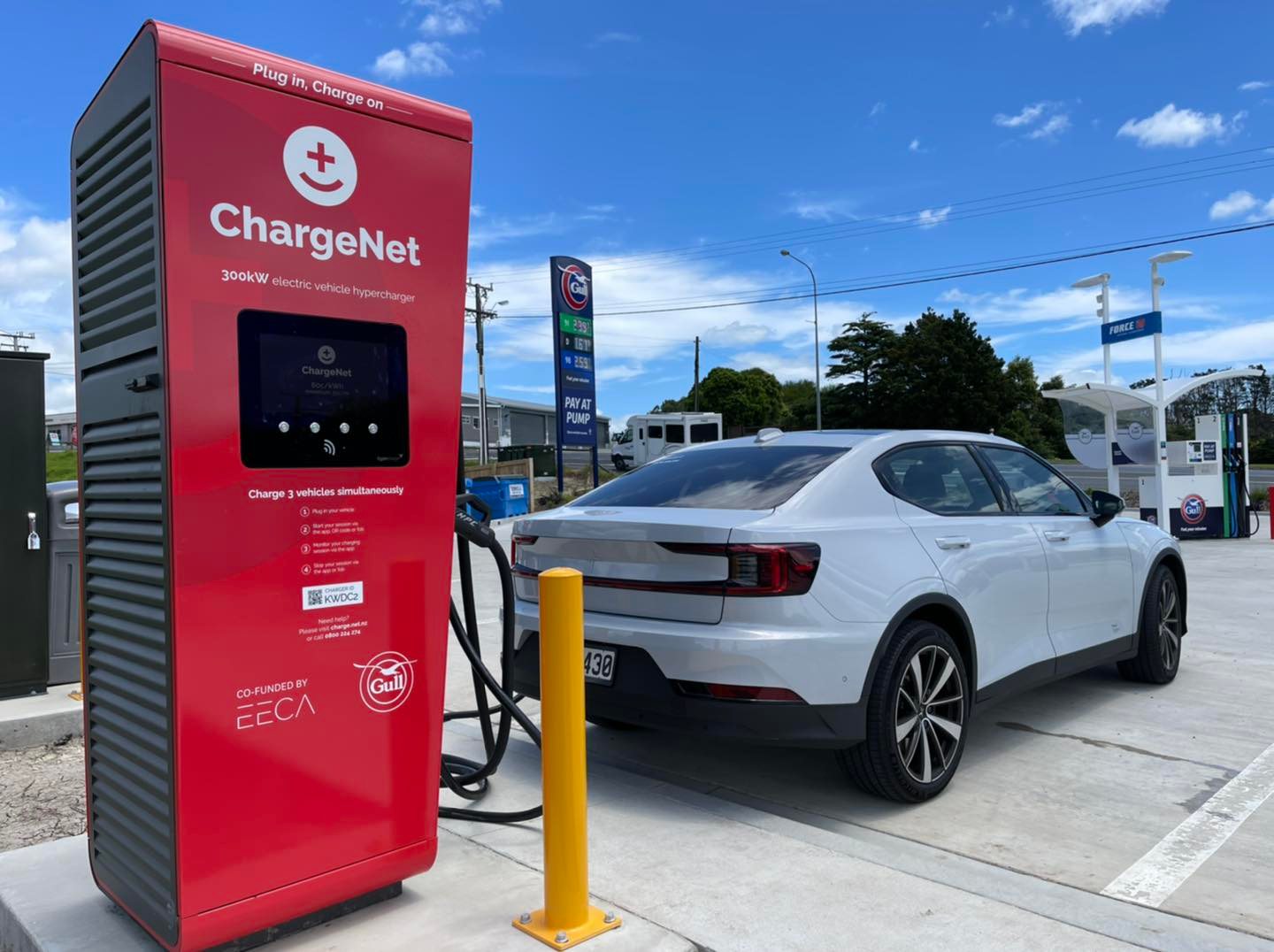
More than 250 people registered for the first Charged Up webinar on April 6 to learn everything they needed to know about EVs.
The evening event was hosted by ChargeNet and the Better NZ Trust, speakers including trust chair Kathryn Trounson, ChargeNet marketing and communications manager Bailey Gorst, Energy Efficiency and Conservation Authority (EECA) transport manager Richard Briggs, Ecotricity content creator Gavin Shoebridge and EV enthusiast Will Hunter.
They covered a wide range of topics including EV benefits, charging, costs, the Government’s Clean Car programme, EV myths and misconceptions, road user charges, and where people can obtain information – including mention of EVs and Beyond.
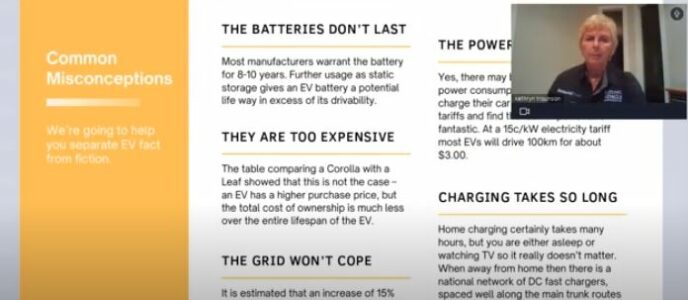
While the upfront costs of many new EVs remains high, most speakers believe costs will drop so that EVs will reach price parity with internal combustion engine (ICE) models and become even more affordable, pointing out that Clean Car subsidies are helping with the switch.
Suggestions were also made that perhaps people can start with a cheap used EV ($10,000 to $20,000) and upgrade to more expensive and longer-range models later – using fuel and other savings to help.
Trounson, who has two EVs, says EVs are fun to drive, have no noxious emissions, cost less than ICE to “fuel” and maintain, are good for climate change mitigation and come with increasing range so that “range anxiety” or fear of not making an electric top up in time is no longer applicable.
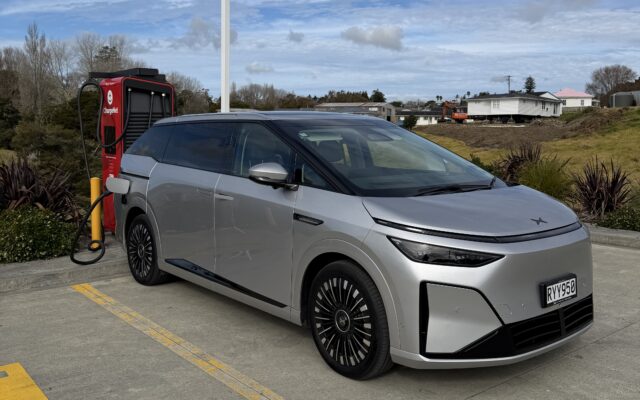
The latter combines with increased EV charging facilities, Gorst adding that ChargeNet now operates more than 500 charging sites.
Some concerns were raised about possible queuing at EV charging stations as more EVs become available. But speakers explained most EV owners charge at home – mainly just plugging the EV into a three-pin plug for overnight charging while they sleep – while “journey” and other charging for longer trips is seeing any gaps being plugged and multi-use, higher powered charging stations are being installed.
Answering queries whether sufficient electricity supply would be available for the expected extra number of EVs (registrations now exceeding 40,000), speakers confirm plenty of power will be on offer from renewable resources
With vehicle-to-grid (V2G) or anything (V2X) provisions becoming more widely available, webinar participants heard that many EVs will be able to recharge from solar and batteries at home and work, plus store power themselves for later use.

Potential EV users were encouraged to go and try an EV first, perhaps using an EV rental or car share service to gauge what they required and preferred.
Briggs explained the new car labels now available, including green, blue and red which determine emissions and whether the vehicle qualifies for a rebate or pays a fee which could be as high as $5175. More information is available on EECA’s website.
Asked about faults with charging stations, Gorst says ChargeNet usually fixes most faults within 48-hours and that the site’s use may determine priority. Customers are encouraged to check their cellphone app to determine what sites may have faults and how busy some are.
Shoebridge, who converted an ICE car to electric years ago, says in response to a question that smaller EVs are coming to New Zealand where some, like the Renault Zoe, are already available.
Talking about solar power, Trounson says she uses solar panels and a Tesla Powerwall storage battery to help power her two EVs, and she expects more people will use solar and batteries for such purposes while also becoming less reliant on the grid, especially if climate change brings more storms and the risk of power cuts.
During discussion of road user charges (RUC), webinar participants were reminded that the RUC exemption for EVs now applies until March 31, 2024, but that changes are likely to the way roads are funded as the country moves more to EVs, with emissions expected to be included in the equation.
Click here for a webinar recording.
Join the conversation