
EVs that are driven the most

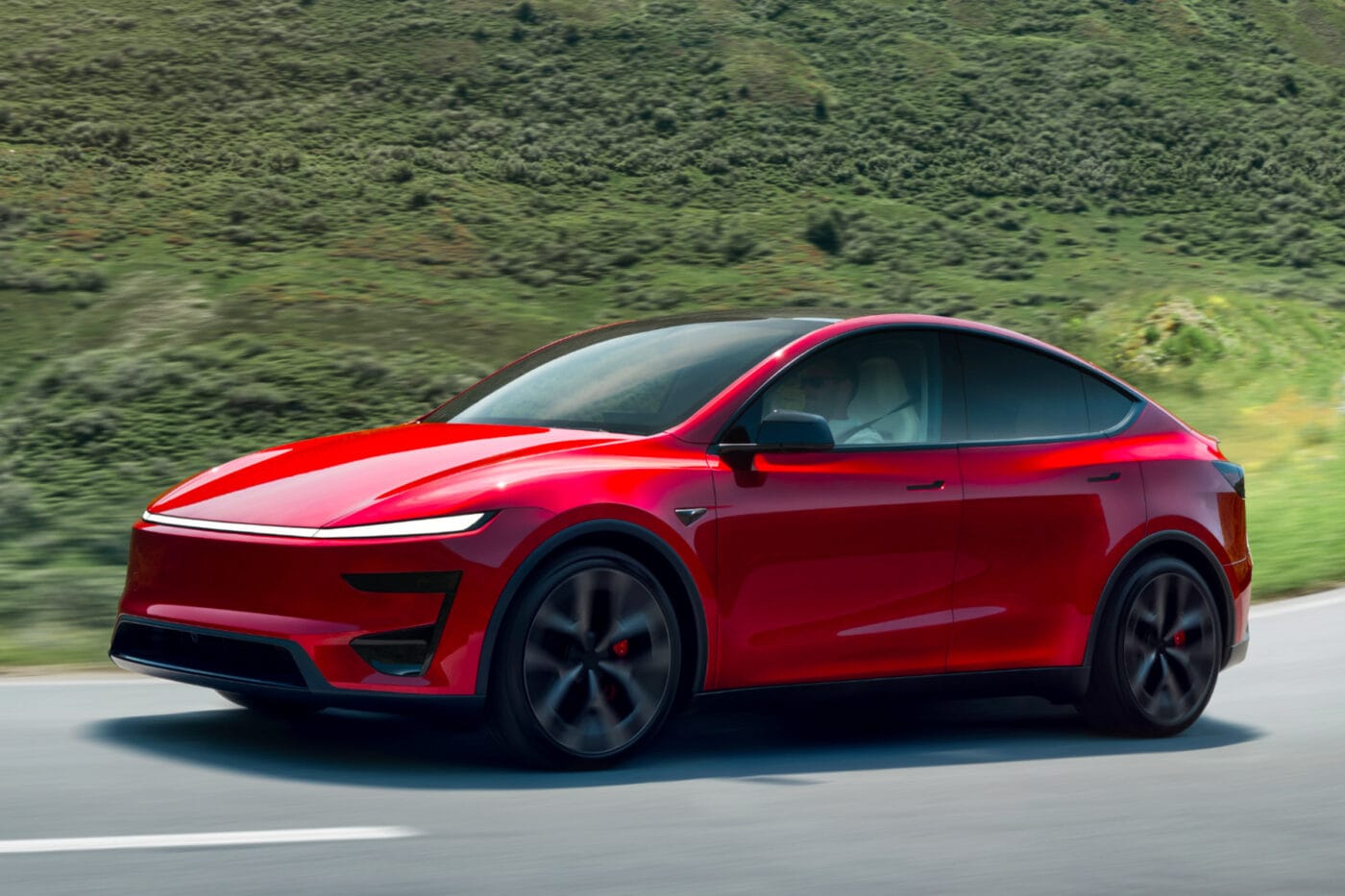
Teslas are the most driven electric cars, with all four models ranking at the top of the list, says a study of three-year-old EVs by iSeeCars.
The Tesla Model X, a midsize family SUV with three rows of seating, is the most-driven electric car, averaging 16,701km a year.
The data-driven car search and research company analysed more than 860,000 model year 2020 used cars from January to mid-May 2023 to get an idea of how many kilometres they’re racking up.
Even the Tesla models at the top of the list (Model Y -16,413km, Model 3 – 16,029km, Model S – 15,031km) aren’t driven as far as the average gas-powered car, which means EVs cost more than internal combustion engine (ICE) cars but they’re reportedly used less often, the study suggests.
The average three-year-old electric car is driven 14,579km a year, compared to 20,532km for ICE vehicles.
Electric cars cost 47% more than ICE cars, but are driven 29% less, the study concludes.
The strong relationship between an EV’s range and driving behaviour confirms more range will increase use, but that’s not a realistic solution at today’s battery costs, it adds.
“Tesla drivers come the closest to matching the driving behaviour of traditional car owners,” says iSeeCars executive analyst Karl Brauer.
“Without Tesla, the average miles per year for EV drivers would drop from 9059 (14,579km) to 6719 (10,813km).
“It’s also interesting to see the Porsche Taycan, a direct competitor to the Model S, being the least-driven electric car. At 4846 miles (7798.8km) a year, it’s driven about half as much as the Model S at 9340 miles (15,031km) per year.”
Others ranked below Tesla in order were the Hyundai Kona Electric, Chevrolet Bolt EV, Audi e-tron Sportback, Jaguar I-Pace, Hyundai Ioniq Electric, Kia Niro EV, Nissan Leaf, and Porsche Taycan.
“Several factors contribute to EVs being driven less, including their common role as a second or third vehicle in a household, and being used less often for road trips,” says Brauer.
“But the most powerful factor may be an EV’s battery range and the associated range anxiety.”
Comparing an electric car’s range to how it’s driven shows a consistent and expected pattern – more range equals more use.
“Range anxiety continues to impact how consumers utilise their EVs,” says Brauer.
“Looking at three-year-old electric cars, we see EV owners willing to drive an additional 23 miles (37km) per year for every additional mile of range their vehicle offers. That means EVs, on average, need an additional 161 miles (259km) of range to get them to the 12,578-mile (20,242km) annual driving distance we see from traditional, gasoline-powered vehicles.”
Brauer says adding 259km of range to the average three-year-old electric car would increase its average range from 449km to 708km.
“This happens to be almost the exact range for three-year-old gasoline cars, which average 24.7 miles per gallon and have an average fuel tank capacity of 18 gallons.
Based on data from the Department of Transportation’s 2017 National Household Travel Survey, the average car trip is only 15km (9.5 miles) and 95% of car trips are 49.7km (30.9 miles) or less.
Only 1% of car trips are more than 143.8km (89.4 miles) long. Even doubling that distance (288km or 179 miles) for a round trip means almost all three-year-old EVs have more than enough range to cover all of these use cases, says iSeeCars, noting continued improvement incharging infrastructure, reducing the likelihood of running out of energy.
It says fully recharging an EV takes up to 30 minutes in a best-case scenario, and multiple hours in most instances.
Brauer says until EVs offer similar refuelling options to ICE cars, with the process taking five to 10 minutes, then EVs are at “a distinct disadvantage in terms of use and market demand”.
Join the conversation