
Existing pipelines may supply hydrogen
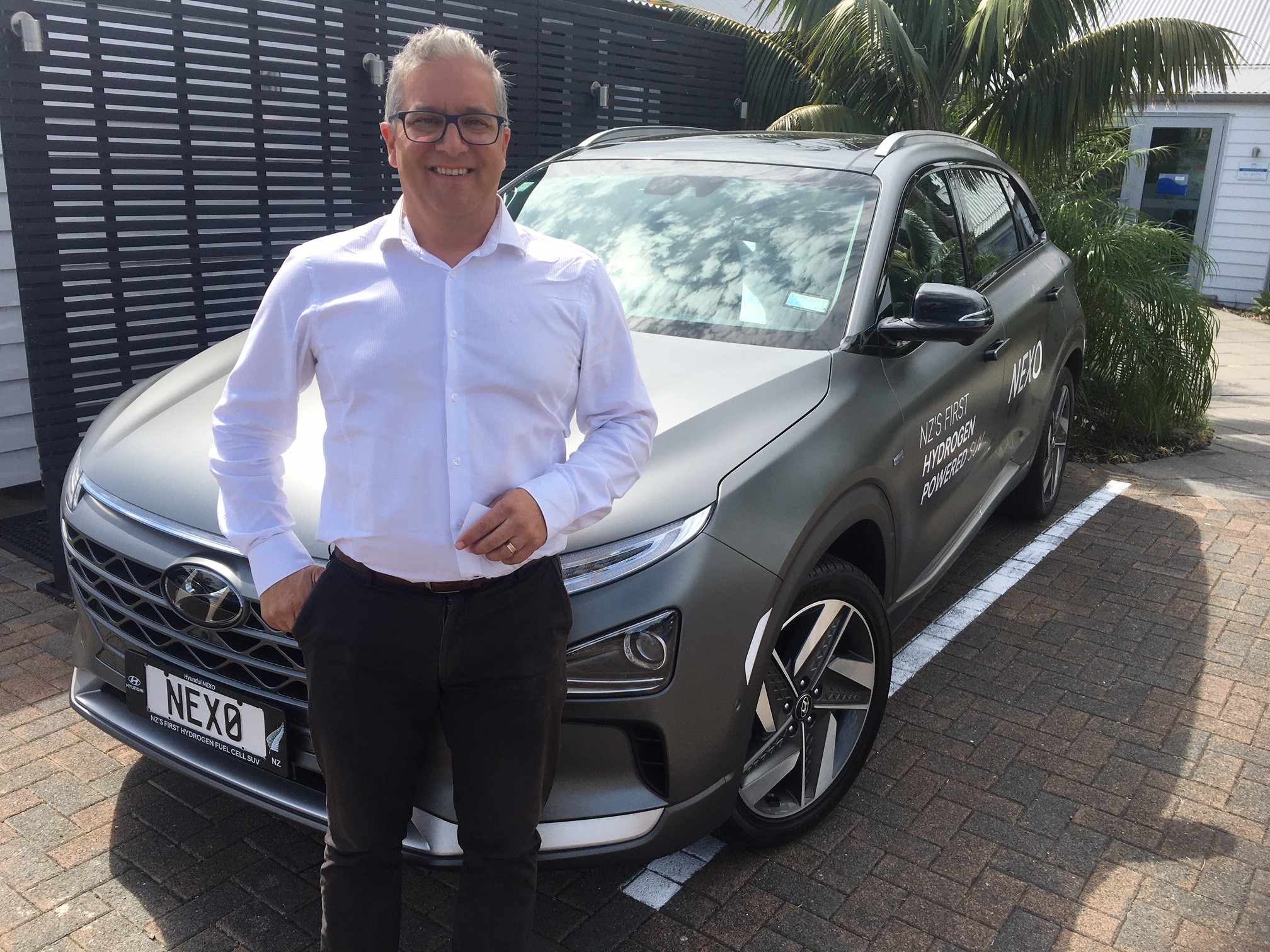
Firstgas and Hiringa Energy have announced a collaboration agreement supporting New Zealand’s objectives to advance a green hydrogen economy.
That includes potential for Firstgas to provide pipeline infrastructure for Hiringa’s hydrogen refuelling stations.
Hiringa has been developing a hydrogen production and refuelling network across New Zealand focused primarily on the heavy vehicles market.
Phase 1 of the development includes eight refuelling stations across the North Island and South Island, with the first planned to start construction soon.
Phase 2 includes a further 16 stations introduced by 2025, and phase 3 is for more than 100 stations by the year 2030.
“Both Firstgas Group and Hiringa Energy are committed to helping NZ move towards net zero emissions by 2050, by harnessing the power of green hydrogen and this partnership is a positive step in the right direction,” Firstgas Group chief executive Paul Goodeve says of the agreement.
Hiringa Energy chief executive Andrew Clennett says the agreement will see both companies work together on like-minded projects.
While Hiringa Energy can provide advice to Firstgas on matters relating to hydrogen supply and demand, Firstgas Group is well positioned via its existing pipeline networks to integrate Hiringa’s hydrogen into the existing gas stream creating market opportunities and substantially reducing transportation costs.
Hiringa and Firstgas will collaborate on the development of Firstgas’ hydrogen pipeline trial programme.
Clennett says storing excess electricity from sustainable sources like wind and solar is one of today’s biggest challenges.
“Hydrogen lets us capture that energy and use it when we need,” he says.
“Hydrogen fuel cell vehicles can be filled in minutes and a full hydrogen tank weighs much less than a bank of batteries. This makes them ideal for heavy vehicle transportation and high utilisation.”
Goodeve says hydrogen could also support decarbonisation of the electricity network by allowing excess energy to be stored in the form of hydrogen and then converted back into electricity at peak times or during times when the hydro lakes are low.
“Hydrogen is also likely to provide a solution for high temperature process heat which is difficult to electrify.”
Earlier, Hiringa and US-based Hyzon Motors signed a deal for the supply of heavy hydrogen fuel cell electric vehicles (FCEVs).

Join the conversation