
Four future electricity pathways

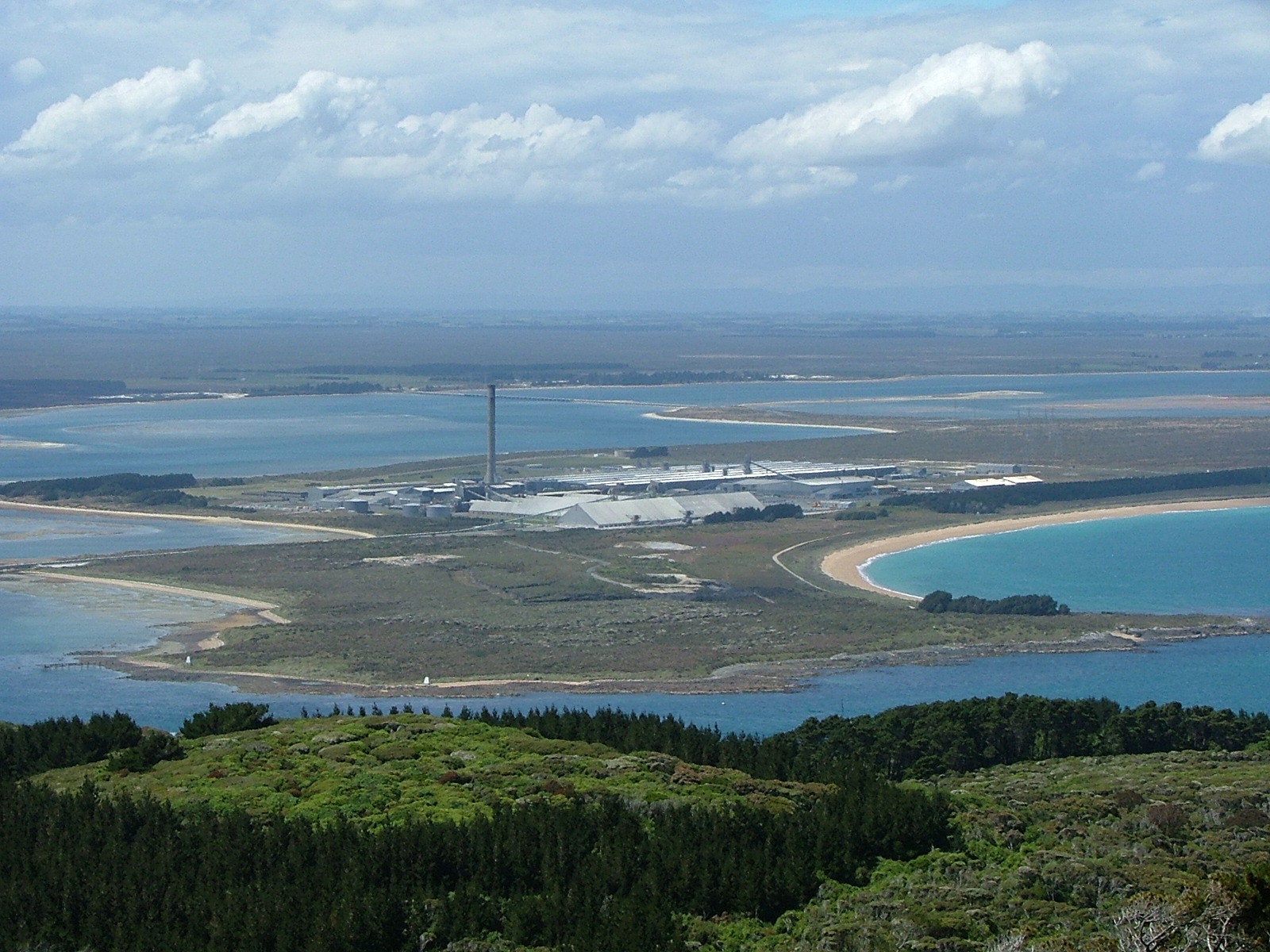
Business as usual, closure of the Tiwai Point aluminium smelter, large-scale green hydrogen production, and pumped hydroelectricity storage at Lake Onslow are among four options for future electricity pathways.
Parliamentary environment commissioner Simon Upton has released the results of modelling that illustrate what the four different future electricity pathways might mean for New Zealand electricity consumers.
He says it is aimed at improving the debate that will inevitably surround finalisation of the Government’s energy strategy.
Upton hopes it will spark discussion and criticism “which can only lead to more robust decision making, provided everyone is held to the same standard”, he says.
“There is no perfect solution to today’s decarbonisation challenge. None of us can predict the future of technology or the shape of the economy in a warming and climate-disrupted planet.
“The scale of investment needed, no matter which path we choose, will be immense. That is why we need a better way of weighing up the options.”
Upton says all major investments with potentially system-wide impacts should endeavour to use similar assumptions.
“Once we are using common assumptions we should be able to fairly compare the options on the table.
“The most we can hope for, and expect, is high-quality decision making based on even-handed treatment of the options.”
The Government is working on its energy strategy, “which will be a pivotal document given the scale of the change ahead,” Upton explains.
“The process of developing this strategy should enable industry participants, the consulting and academic sectors and the wider public to ensure that key investment decisions made with either regulatory or fiscal support are indeed – as the Electricity Industry Act puts it – ‘for the long-term benefit of consumers’.”
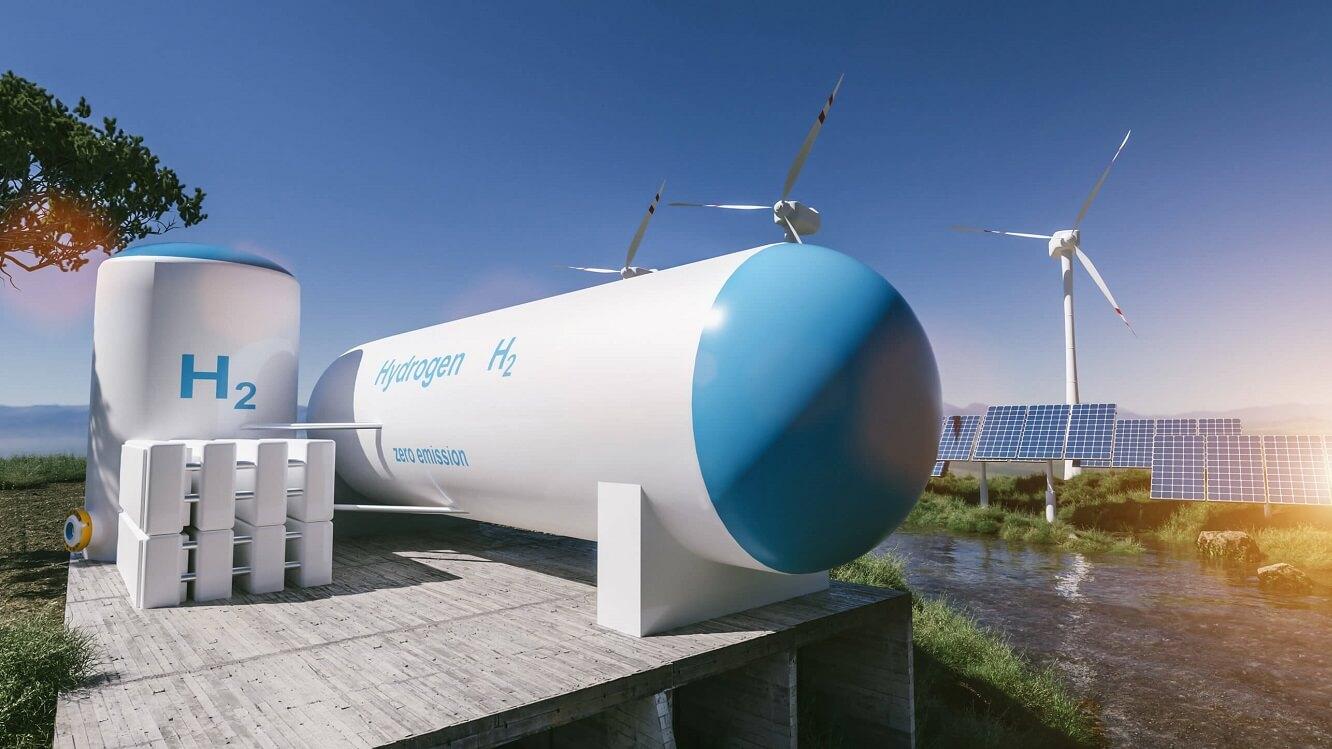
Key findings include Tiwai closure reducing electricity prices with an expected benefit of $1.5 billion annually, Onslow still economically viable with $15 billion CAPEX levied on consumers, Southern Green Hydrogen uneconomic under a range of sensitivity tests, while Tiwai closing and Onslow were the only scenarios to generate a positive net present value (NPV).
Click here for more information.

Join the conversation