
Government partners with Germany on green hydrogen research
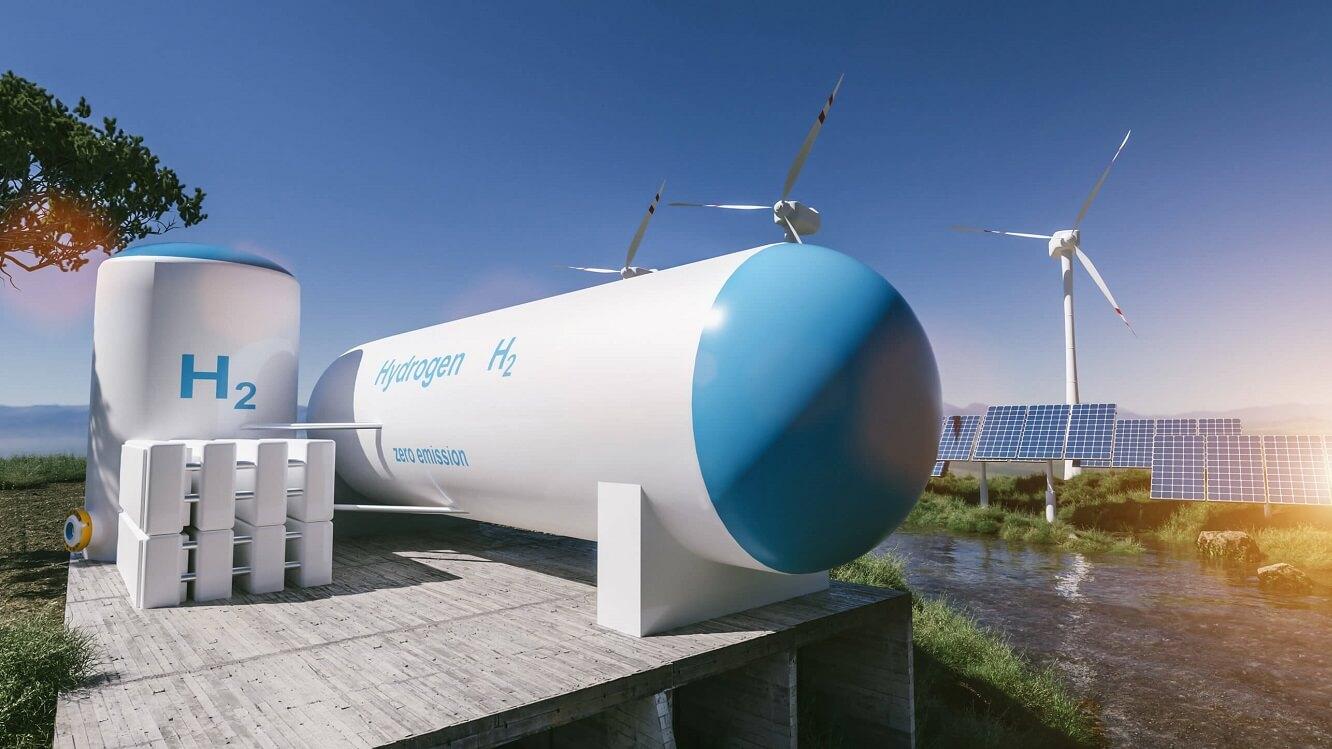
A green hydrogen research programme established with Germany will support New Zealand’s move towards a more sustainable, low-emissions economy.
So says research, science and innovation minister Dr Ayesha Verrall, the programme expected to help with transport such as hydrogen-powered vessels and aircraft.
The New Zealand-Germany Green Hydrogen research programme will see the Ministry of Business, Innovation and Employment (MBIE) and the German Ministry of Education and Research jointly investing in significant green hydrogen research.
“Green hydrogen could play an important part of the clean energy mix needed to ensure a sustainable future. We are investing $6 million in three projects with each receiving $2 million over three years,” says Verrall.
“The partnership will provide research opportunities in both countries through close cooperation in the development of new green hydrogen technologies and processes.
“Green hydrogen could be an important part of the clean energy mix needed to ensure a sustainable future.
“It could help us to reach our goal of 100% renewable electricity by 2030 and to transition to a clean, green and carbon neutral economy by 2050.”
Meanwhile, an equivalent German fund will provide funding for German green hydrogen research projects.
“Germany is a major partner for New Zealand across many research fields and a world leader in green hydrogen research and development,” Verrall explains.
“The research programme will create international collaboration opportunities that enrich our research excellence and impact through global connections.”
The Catalyst fund will provide $2 million over three years for each project.
These are the development of safe, low-cost hydrogen storage (led by professor Sally Brooker from the University of Otago), investigating ways of producing low-cost green hydrogen (led by Dr Aaron Marshall from the University of Canterbury), and the creation of a New Zealand-German platform for green hydrogen integration (led by Dr Jannik Haas from the University of Canterbury).


Join the conversation