
France to ban sales of petrol and diesel vehicles by 2040
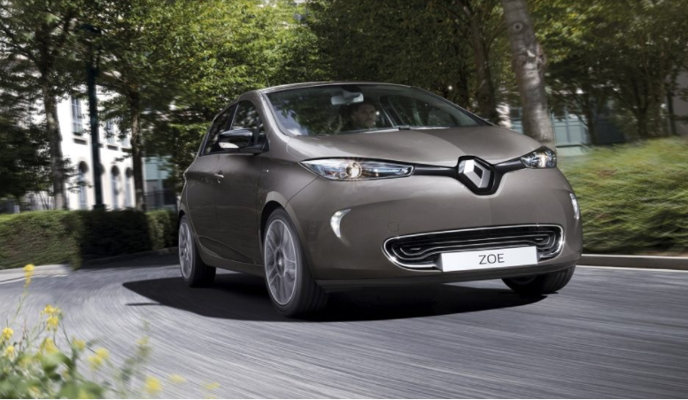
France will end sales of petrol and diesel vehicles by 2040 as part of an ambitious plan to meet its targets under the Paris climate accord, Emmanuel Macron’s government has announced.
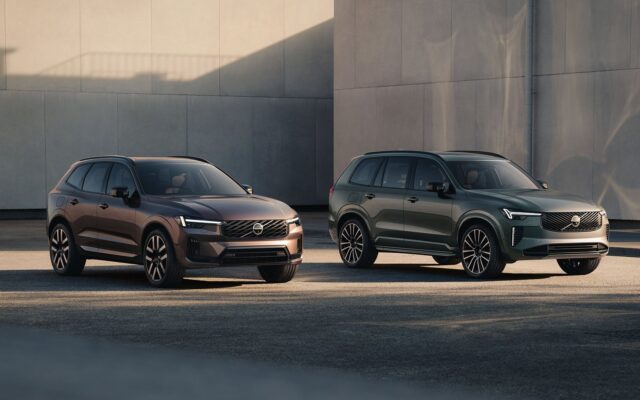
The announcement comes only a day after Volvo said it would only make fully electric or hybrid cars from 2019 onwards, a decision hailed as the beginning of the end for the internal combustion engine’s dominance of auto transport after more than a century, reports The Guardian.
Nicolas Hulot, the country’s new ecology minister, says: “We are announcing an end to the sale of petrol and diesel cars by 2040.” Hulot adds that the move was a “veritable revolution”.

He says it will be a “tough” objective for carmakers, but France’s industry was well equipped to make the switch. “Our [car]makers have enough ideas in the drawer to nurture and bring about this promise … which is also a public health issue.”
Hulot insists that the decision is a question of public health policy and “a way to fight against air pollution”. The veteran environmental campaigner is among several political newcomers to whom Macron gave top jobs in his government.
Pascal Canfin, the head of WWF France and a former Green politician who served in François Hollande’s government, says the new policy platform to counter climate change went further than previous administrations in France.
“It places France among the leaders of climate action in the world,” he told France Inter radio.
France’s announcement came as Bloomberg New Energy Finance predicted electric cars would come to dominate the automotive market more quickly and dramatically than previously thought.
Electric vehicles will make up 54% of all light-duty vehicle sales by 2040, up from the 35% share Bloomberg was forecasting just last year, according to a new report by the research group.
Bloomberg says such a widespread uptake of electric vehicles would globally reduce oil demand by 8m barrels a day and increase electricity consumption by 5% to charge all the new cars.
But Tony Seba, a Stanford University economist who has published research predicting electric cars will even more rapidly take over from conventional cars, says of France’s plan: “Banning sales of diesel and gasoline vehicles by 2040 is a bit like banning sales of horses for road transportation by 2040: there won’t be any to ban.”
France’s reliance on nuclear power stations for 80% of its electricity supply means that a shift to electric vehicles rather than oil-powered ones would dramatically cut its remaining carbon emissions.
Prof David Bailey, an automotive industry expert at Aston University, says: “The timescale involved here is sufficiently long term to be taken seriously. If enacted it will send a very clear signal to manufacturers and consumers of the direction of travel and may accelerate a transition to electric cars.”
Norway, which has the highest penetration of electric cars in the world, has set a target of only allowing sales of 100% electric or plug-in hybrid cars by 2025. Other countries have floated the idea of banning cars powered by an internal combustion engine to meet air quality and climate change goals, but have not yet passed concrete targets.
The Netherlands has mooted a 2025 ban for diesel and petrol cars, and some federal states in Germany are keen on a 2030 phase-out.
India, where scores of cities are blighted by dangerous air pollution, wants to have a 100% electric fleet by 2030 and said it wants to introduce electric cars in “a very big way”, but they have not yet banned ICE cars.
The UK has an aspiration of all new cars being electric or ultra low emission by 2040, but has been criticised by campaigners and politicians for being slow to act on air pollution.
Sadiq Khan, the mayor of London, says: “I welcome the strong leadership the French government has shown by making the decision to end the sale of petrol and diesel cars by 2040. This radical step shames the timid and insufficient response of our own government to the health threat posed by poor air quality.”

Join the conversation