
Heat put on EVs
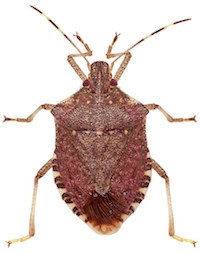 Whether heat treating EVs to 60 degrees Celsius to combat hitch-hiking pest stink bugs causes battery pack damage is being investigated by some EV dealers.
Various treatments are being considered or applied to kill the horticultural pest the brown marmorated stink bug, discovered on a number of ships bringing new and used vehicles from Japan.
GVI general manager Hayden Johnston says they will be monitoring the heat treatment to learn whether any damage is likely.
While he doesn’t expect that level of heat treatment to cause any problems for the well-insulated battery packs, Johnston says if temperatures inside the pack become excessive then they will halt the process.
Johnston and other EV dealers say the imported EVs are designed to withstand temperature extremes.
Henry Schmidt of Autolink Cars says he’s had eight Nissan Leafs heat treated without any ill effects. He says Leaf Spy reports on each battery pack are no different between Japan and New Zealand.
The 10 to 20-minute heat treatment time frame depends on the vehicle type, a Ministry for Primary Industries spokesperson says.
MPI says heat treatment to 60 degrees can damage electric vehicles, with current treatment options for EVs including fumigation with sulfuryl fluoride, or fogging with insecticide, combined with intensive border checks.
“Heat treatment would normally be sufficient by itself, but a vehicle would require additional treatment if any contaminants were identified prior or during inspection.”
Freezing is considered an option too, but MPI says it has no specific information on what would be required at this stage.
GVI says about 20 EVs have already come off affected ships with no damage or smell from treatment. A further 57 are coming off the Tokyo Car in Auckland, 110 off the next few ships and 60 off the Dream Orchid, Johnston says.

Join the conversation