
Honda posts first annual loss amid EV strategy reset
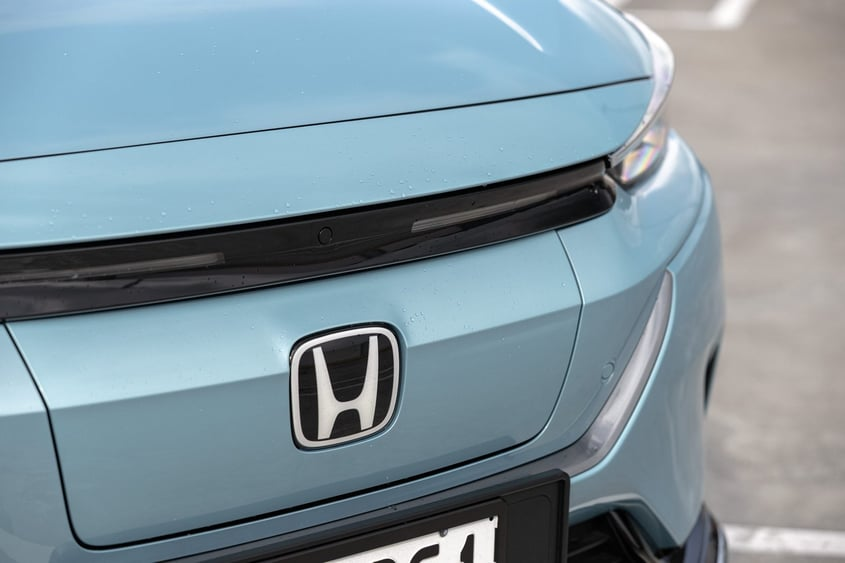
Honda has reported its first annual loss since becoming a publicly listed company nearly 70 years ago as the Japanese carmaker absorbs major costs linked to a restructuring of its electric vehicle strategy.
The company recorded an operating loss of ¥414.3 billion (NZ$4.6b) for the financial year ending March 2026, compared with an operating profit of ¥1.2 trillion a year earlier.
Honda says the result was heavily impacted by costs associated with scaling back several electric vehicle programmes, with EV-related losses totalling ¥1.45 trillion during the financial year.
The company also expects a further ¥500 billion in EV restructuring costs over the next year.
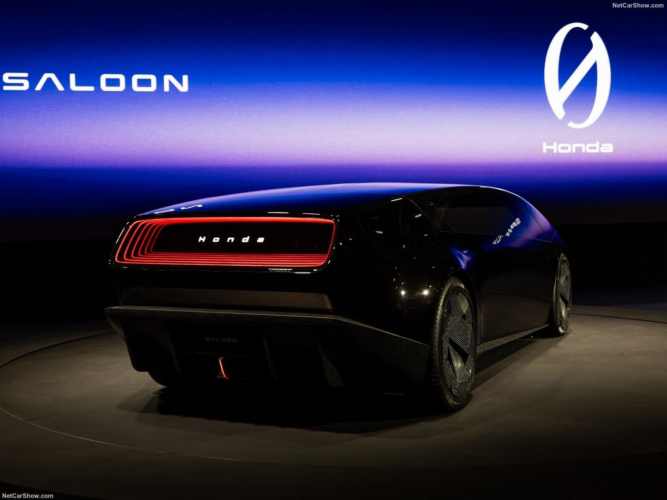
Honda chief executive Toshihiro Mibe says the company is revising its long-term electrification plans as global EV demand slows and development costs rise.
Honda has abandoned its target of electric vehicles accounting for 20% of global sales by 2030 and has also stepped back from its previous goal of transitioning entirely to electric and hydrogen fuel-cell vehicles by 2040.
As part of the strategy reset, Honda has indefinitely suspended a planned EV production project in Canada valued at around NZ$20 billion.
The company says it will instead place greater focus on hybrid vehicles and profitability while relying on strong motorcycle sales to support earnings.
Honda says its motorcycle business continues to perform strongly, particularly in India and Brazil, helping offset weaker performance in its automotive division.
The company expects global motorcycle sales to reach a record 22.8 million units as it expands production capacity in India.
Honda’s automotive operations have also been affected by slowing sales in China amid increasing competition from domestic manufacturers.
The company says cost-cutting measures and stronger motorcycle earnings are expected to return Honda to profitability during the current financial year, forecasting a ¥500 billion turnaround.

Join the conversation