
Hydrogen for Ineos Grenadier
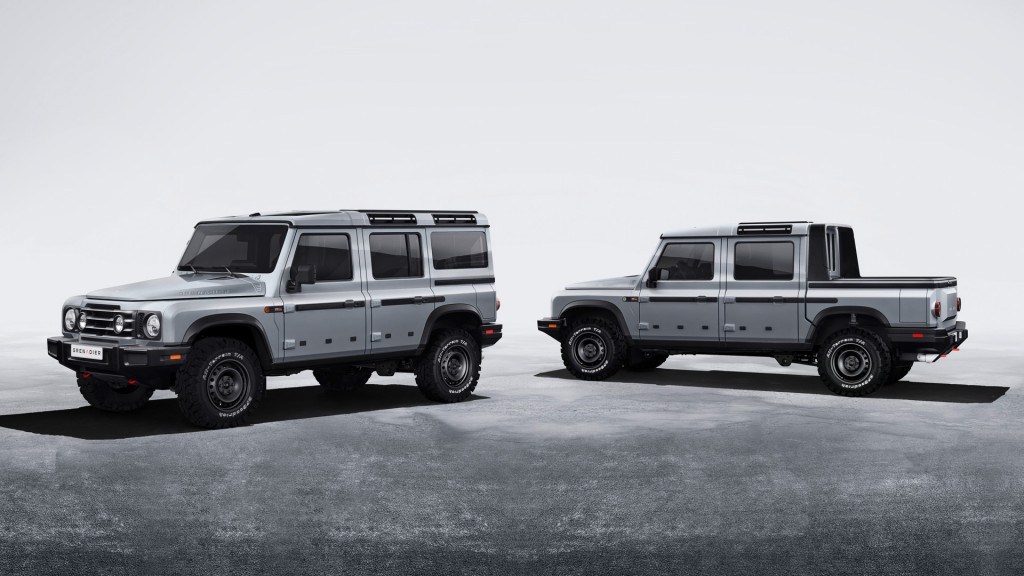
Hyundai and Ineos are cooperating on ways to accelerate the global hydrogen economy, including using Hyundai’s fuel cell system for the Ineos Grenadier 4×4 confirmed for Australia and New Zealand.
A memorandum of understanding (MoU) between the two will allow exploration of new opportunities such as production and supply of hydrogen as well as new hydrogen applications, technologies and business models.
Both companies will initially seek to facilitate public and private sector projects focused on the development of a hydrogen value chain in Europe.
The agreement also includes the evaluation of Hyundai’s proprietary fuel cell system for the recently announced Grenadier, which will be produced in four-door ute and five-door SUV variations in Wales starting late 2021.
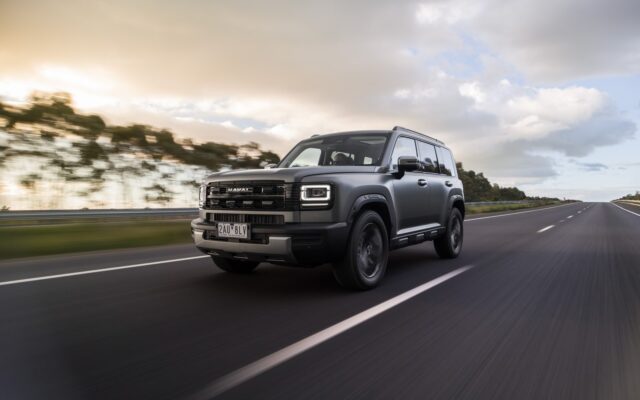
Hyundai’s modular fuel cell (FCEV) system, which evaluation vehicles will use, has already proven reliable and effective in the Hyundai Nexo SUV.
“Ineos’ move into the development of a fuel cell electric vehicle and hydrogen ecosystem marks yet another milestone towards sustainable and clean transportation,” Hyundai Motor Company Fuel Cell Centre head Saehoon Kim says.
“Hyundai believes this will provide an important low-carbon option across a wide range of sectors. We also hope our decades-long expertise in hydrogen fuel cell work in synergy with Ineos’ expertise in chemistry to realise the mass production of green hydrogen and fuel cells for the Grenadier.”
Ineos technology director Peter Williams says the agreement presents both companies with new opportunities to extend a leading role in the clean hydrogen economy.
It also allows Ineos to meet emerging demand for affordable, low-carbon energy sources and the needs of 4×4 owners in the future, he says.
Ineos recently launched a new business to develop and build clean hydrogen capacity across Europe in support of the drive towards a zero-carbon future. The company currently produces 272,155 tonnes of hydrogen a year, mainly as a by-product from its chemical manufacturing operations.
Through its subsidiary Inovyn, Ineos is Europe’s largest existing operator of electrolysis, the critical technology that uses renewable energy to produce hydrogen for power generation, transportation and industrial use.
Hyundai Motor Group’s mid to long-term roadmap, Fuel Cell Vision 2030, aims to increase annual production of hydrogen fuel cell systems to 700,000 units by 2030.
Join the conversation