
Kia starts electric PBV production facility
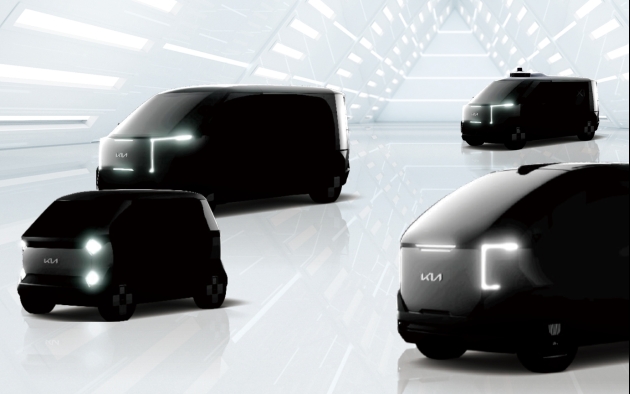
Kia held a ground-breaking ceremony for its Hwaseong plant in South Korean to produce electric purpose-built vehicles (PBVs) with 150,000-unit annual capacity.
It will invest around one trillion won (about NZ$1.2 billion) to secure 40,063 hectares, with the company planning to start mass-production in the second half of 2025.
The facility aims to showcase flexible production by adopting smart innovations, such as the efficient ‘cell method’ of manufacturing, the factory also planned to have a low carbon footprint, intelligence, and human-centred principles.
Under the cell method, machines are arranged in a way that optimises the flow of materials and products between workstations, with the aim of minimising downtime, reducing costs and increasing productivity.
More than 200 people attended the ceremony, including government officials, Hyundai Motor Group executive chair Euisun Chung, Kia’s global president and chief executive Ho Sung Song, and other employees from Hyundai Motor Group and the automotive parts industry.
“Hyundai Motor, Kia, and Hyundai Mobis together plan to invest KRW24 trillion (nearly NZ$30 billion) in the domestic electric vehicle industry by 2030, with the goal of making South Korea one of the top three players in the global EV market,” says Song.
“Our focus is to enhance the competitiveness of the entire electric vehicle ecosystem, including research and development, production, and infrastructure, and to lead the way in driving change and innovation in the new global automotive industry.”
Plant production starts with the SW (project name) model – a mid-sized PBV based on the “eS” platform, a dedicated skateboard platform for battery electric PBVs, enabling various types of vehicle bodies to be flexibly combined.
SW has been developed to respond to various business demands such as delivery, ride hailing, and business-to-business (B2B) transactions.
Kia then plans to expand its product line-up to large-sized PBVs that can be used for logistics, fresh food delivery, multi-seat shuttles, and mobile offices and stores as well as small-sized PBVs and mid-sized robotaxis applied with autonomous driving technology.
At the ceremony, Hyundai Motor Group also outlined its aim to become one of the world’s top three EV manufacturers by 2030 through the combined sales of Hyundai Motor, Kia and Genesis electric models.
The group also plans to significantly expand the annual EV production in Korea to 1.51 million units and global volume to 3.64 million units by 2030.


Join the conversation