
Last Volvo diesel car will be produced early 2024

Volvo Cars has declared the end of diesel at Climate Week NYC (September 17-24) saying its last diesel car will be produced early next year.
By 2030 Volvo Cars plans to sell only fully electric cars and by 2040 it aims to be a climate neutral company.
“In a few months from now, the last diesel-powered Volvo car will have been built, making Volvo Cars one of the first legacy car makers to take this step,” the company says.
This milestone follows its decision last year to exit the development of new combustion engines.
In November 2022 Volvo Cars sold its stake in Aurobay, the joint venture company that harboured all of Volvo’s remaining combustion engine assets, and the company is no longer spending any of its research and development budget on developing new internal combustion engines (ICE).
“In New Zealand, we took the decision to remove diesel from our line up in 2020,” says Volvo Cars New Zealand general manager Ben Montgomery, adding the brand is the first of the premium automakers segment to do so locally.
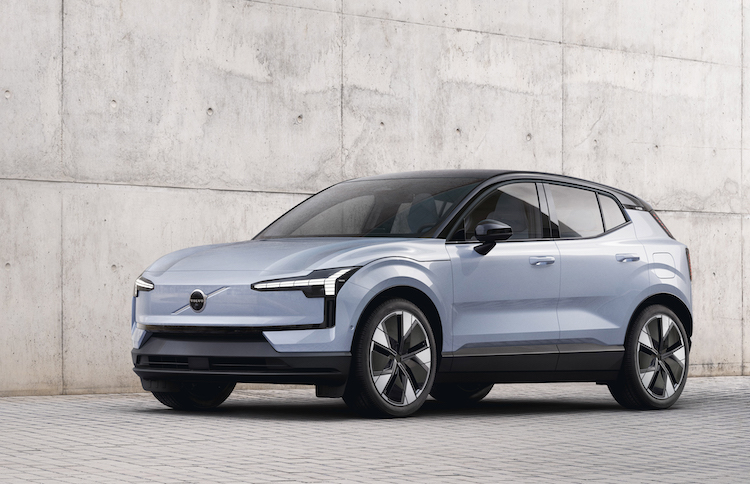
“With Volvo all-in on electrification, locally, we are already selling 30% pure electric and with our all-new Volvo EX30 arriving next year that is only set to grow.”
Montgomery says electrification is the right thing to do.
“The recent Global Climate Stocktake report issued by the United Nations underlined the urgency of the climate emergency faced by humanity, as well as the need for action.
“To further emphasise this point, our chief sustainability officer Anders Kärrberg will attend an event organised by the Accelerating to Zero (A2Z) Coalition at this year’s Climate Week NYC.
“Launched at the COP27 climate summit, the A2Z Coalition provides a multi-stakeholder platform for signatories of the Glasgow Declaration on Zero Emission Vehicles, of which we are one.”
Montgomery says the A2Z platform allows Volvo Cars to collaborate and coordinate actions with others towards the coalition’s collective target of ‘making 100% of global new car and van sales free of tailpipe emissions by 2040, and no later than 2035 in leading markets’.
“While our own electrification target is more ambitious than that, we hope to inspire other companies to be bolder in taking action against climate change through the announcement on diesels and by taking part in the A2Z discussions and other gatherings at Climate Week NYC.”
Volvo Cars’ decision to completely phase out diesels by early 2024 illustrates how rapidly both the car industry and customer demand are changing in the face of the climate crisis, the brand says.
“Only four years ago, the diesel engine was our bread and butter in Europe, as was the case for most other car makers. The majority of cars we sold on the continent in 2019 were powered by a diesel engine, while electrified models were only just beginning to make their mark.”
That has changed, driven by changing market demand, tighter emission regulations as well as a focus on electrification.
“The majority of our sales in Europe now consists of electrified cars, with either a fully electric or plug-in hybrid powertrain,” says Volvo Cars.
The company says less diesel cars on the streets also has a positive effect on urban air quality.
“While diesels emit less CO2 than petrol engines, they emit more gases such as nitrogen oxide (NOx) that have an adverse effect on air quality especially in built-up areas.”


Join the conversation