
Meridian posts $452m loss amid drought challenges
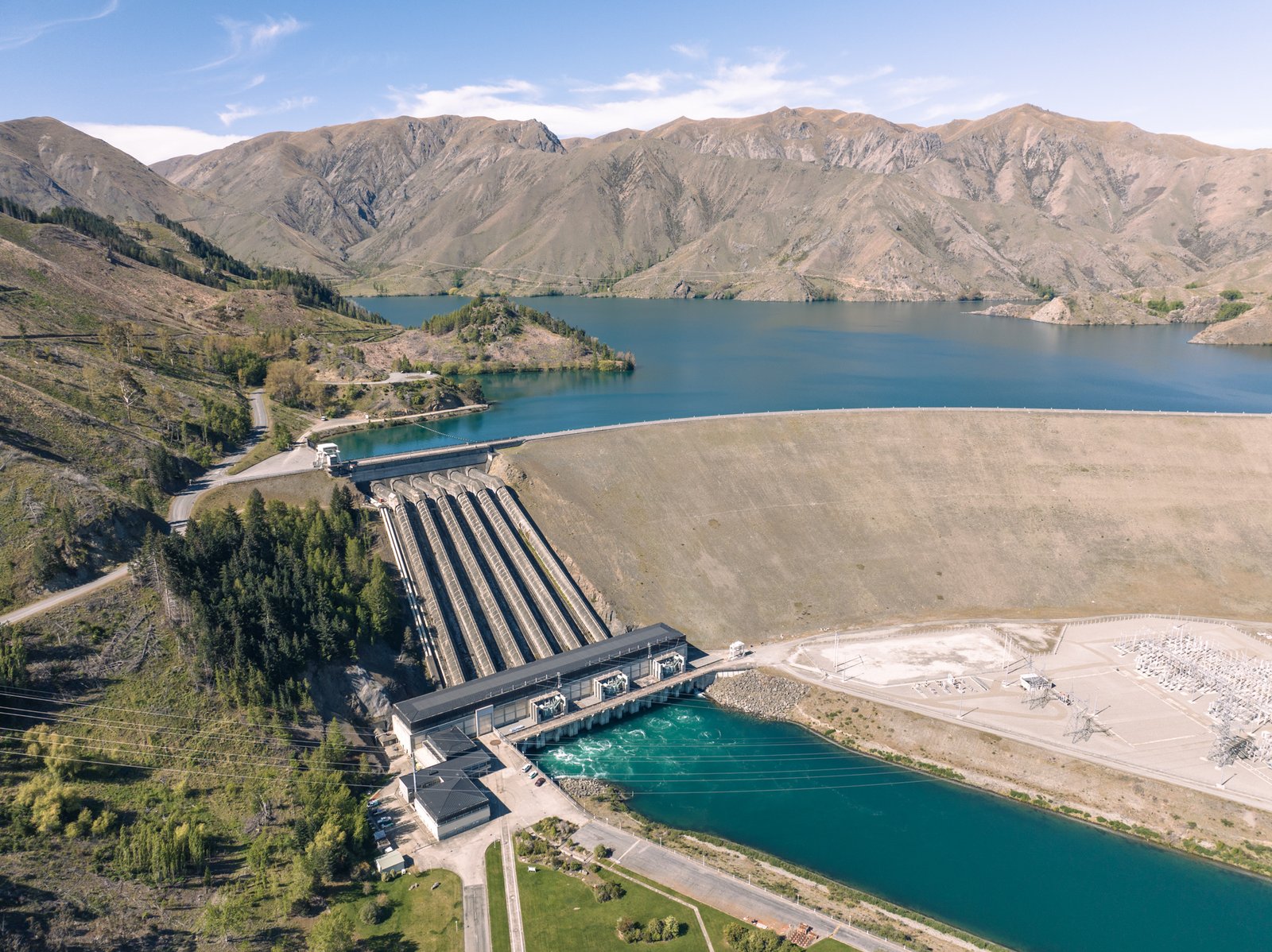
Meridian Energy has reported a net loss after tax of $452 million for the year ending 30 June 2025, a sharp reversal from the $429 million profit recorded the previous year.
The result comes as the energy company continues expanding renewable generation and electric vehicle (EV) charging infrastructure, completing a 100MW battery energy storage system (BESS) at Ruakākā Energy Park and advancing its $2 billion investment pipeline to support New Zealand’s energy transition.
Operating cash flows fell to $318 million from $667 million, while EBITDAF dropped from $905 million to $611 million. Energy margin declined 23% to $982 million, down from $1.276 billion.
Chief Executive Mike Roan says the results reflect extraordinary challenges including two severe droughts, historically low hydro inflows, extended low wind periods and declining gas availability.
“We weathered a perfect storm. The combination of historically low hydro inflows, extended periods of low wind, two major droughts and a dramatic decline in gas availability combined to make this a very challenging financial year,” Roan says.
“But the fundamentals of this business have been strengthened through sound investment and delivering on our strategy.”
The company spent $300 million on hedge and demand response contracts to maintain security of supply, including calling the largest demand response option with New Zealand Aluminium Smelter.
Despite the financial hit, Meridian advanced key renewable projects supporting EV adoption. The 176MW Harapaki Wind Farm became fully operational, while the Ruakākā BESS project reached completion in May 2025.
The company secured five resource consents for new assets and invested $193 million in building and maintaining generation plant. Its 7 in 7 renewable build programme continues, with projects expected to add almost 2500GWh of new annual generation.
“We are doing our share of the heavy lifting needed to secure New Zealand’s energy future. Having invested more than $1 billion in the past five years, we have a further $2 billion of planned investment over the next three years,” Roan says.
The investment programme includes wind, solar and battery projects that will support growing EV infrastructure demands. Meridian has previously developed innovative EV charging solutions, including the Springs Junction site that uses recycled Nissan Leaf batteries to overcome grid constraints.
Meridian’s retail business performed strongly, adding 35,405 new connections and growing market share across both Meridian and Powershop brands. The acquisition of Flick in May 2025 further strengthened its position as the country’s largest electricity retailer.
The company maintained dividend payments despite the challenging year, declaring a final ordinary dividend of 14.85 cents per share for total ordinary dividends of 21.00 cents per share.
Roan says the company supported security of supply by agreeing with Contact, Mercury and Genesis to extend Huntly power station operations and build a thermal fuel reserve, pending Commerce Commission approval.
“It was a challenging decision for us given our commitment to decarbonisation and renewable energy but extending the life of Huntly and building a thermal fuel reserve are in the best interests of Kiwi homes and businesses,” he says.
Looking ahead, Meridian expects to invest over $350 million in new and existing assets during the 2026 financial year, with construction on the Ruakākā Solar Farm set to commence this spring.
The company has applied for fast-track consenting to access more water storage at Lake Pūkaki, which holds more than 40% of the country’s total hydro storage.


Join the conversation