
No new ICE passenger cars by 2035
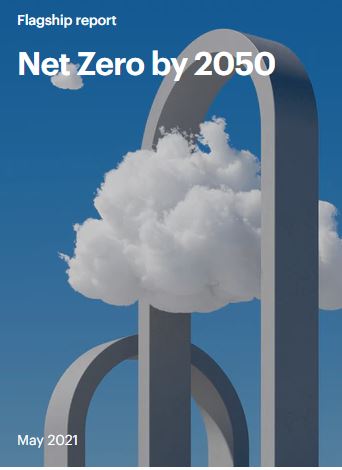
An “unprecedented transformation of how energy is produced, transported and used globally” is critical to a net-zero emissions goal by 2050, the International Energy Agency (IEA) says in a newly released report.
Dump fossil fuels and lift renewable energy generation – especially electricity – and mineral supply for EVs, the report Net Zero by 2050: A Roadmap for the Global Energy Sector suggests.
“Our roadmap shows the priority actions that are needed today to ensure the opportunity of net-zero emissions by 2050 – narrow but still achievable – is not lost,” IEA executive director Fatih Birol says.
“The scale and speed of the efforts demanded by this critical and formidable goal – our best chance of tackling climate change and limiting global warming to 1.5°C – make this perhaps the greatest challenge humankind has ever faced.
“The IEA’s pathway to this brighter future brings a historic surge in clean energy investment that creates millions of new jobs and lifts global economic growth,” Birol adds.
“Moving the world onto that pathway requires strong and credible policy actions from governments, underpinned by much greater international cooperation.”
The report says climate pledges by governments – even if fully achieved – would fall well short of what is required to bring global energy-related carbon dioxide emissions to net zero by 2050 and give the world an even chance of limiting the global temperature rise to 1.5°C.
The IEA say it’s the world’s first comprehensive study of how to transition to a net zero energy system by 2050 while ensuring stable and affordable energy supplies, providing universal energy access, and enabling robust economic growth.
A cost-effective and economically productive pathway is set out, resulting in a clean, dynamic and resilient energy economy dominated by renewables like solar and wind instead of fossil fuels. The report also examines key uncertainties, such as the roles of bioenergy, carbon capture and behavioural changes in reaching net zero.
It will also require 200 million units of EV public charging by 2050, with the share of electrified rail lines increasing from 34% in 2020 to 65% in 2050.
For aviation, a significant proportion of emissions reductions comes from ‘avoided demand’ from behaviour measures, such as fewer business flights and replacing short-haul flights with rail or road transport.
The IEA roadmap sets out more than 400 milestones to guide the global journey to net zero by 2050.
These include, from today, no investment in new fossil fuel supply projects, and no further final investment decisions for new unabated coal plants.
“By 2035, there are no sales of new internal combustion engine passenger cars, and by 2040, the global electricity sector has already reached net-zero emissions.”
The pathway calls for annual additions of solar PV to reach 630GW by 2030, and those of wind power to reach 390GW.
“Together, this is four times the record level set in 2020. For solar PV, it is equivalent to installing the world’s current largest solar park roughly every day. A major worldwide push to increase energy efficiency is also an essential part of these efforts, resulting in the global rate of energy efficiency improvements averaging 4% a year through 2030 – about three times the average over the last two decades.”
The report calls for governments to quickly increase and reprioritise their spending on research and development – as well as on demonstrating and deploying clean energy technologies – putting them at the core of energy and climate policy.
“Progress in the areas of advanced batteries, electrolysers for hydrogen, and direct air capture and storage can be particularly impactful.
“The pathway laid out in our roadmap is global in scope, but each country will need to design its own strategy, taking into account its own specific circumstances,” Birol says.
The special report is designed to inform the high-level negotiations at the 26th Conference of the Parties (COP26) of the United Nations Climate Change Framework Convention in Glasgow in November.
Join the conversation