
Half of Norway’s new registrations EVs
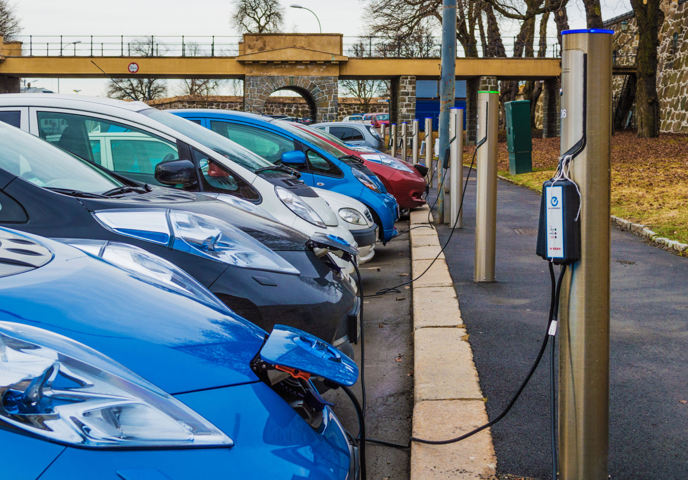
Norway, which already boasts the world’s highest number of electric vehicles (EV) per capita, has officially reached the half way mark when it comes to new EV registrations so far this year.
“This is a milestone on Norway’s road to an electric car fleet,” climate and environment minister Vidar Helgesen says.
“The transport sector is the biggest challenge for climate policy in the decade ahead. We need to reduce [CO2] emissions by at least 40% by 2030 and this requires the electrification of the car fleet,” Helgesen told AFP.
Sales of EVs accounted for 17.6% of new vehicle registrations in January and hybrid cars accounted for 33.8%, for a combined 51.4%, according to figures from the Road Traffic Information Council.
“It is important to demonstrate that it is possible to achieve a technological transition and a market transformation in transport,” Helgesen adds.
While cars with combustion engines are heavily taxed, EVs are exempt from almost all taxes.
Their owners also benefit from numerous advantages such as free access to toll roads, ferries and parking at public car parks, as well as the possibility of driving in bus lanes.
Last year, the Norwegian authorities set themselves a target to have no newly sold cars that run exclusively on fossil energy after 2025.
“One of the main challenges in Norway today is to set up enough charging points,” Christina Bu, secretary general of the Norwegian Electric Vehicle Association, told AFP.
“We still have a lot of work to do on this, especially with regard to fast recharging along the main roads.
“More than 60% of Oslo residents live in apartments and have difficulty accessing charging points for EVs.”
In December, Norway registered its 100,000th EV.
Still handicapped by limited range and high prices for larger models like those from Tesla, EVs also face competition from the growing popularity of hybrids.
Sales of these cars, which combine combustion engines and electric motors, have been boosted by the arrival of improved models and a revision of the Norwegian tax system, with rates that are now based on the level of polluting emissions, rather than engine power.


Join the conversation