
NSW rolls out $100m EV strategy to boost charging network
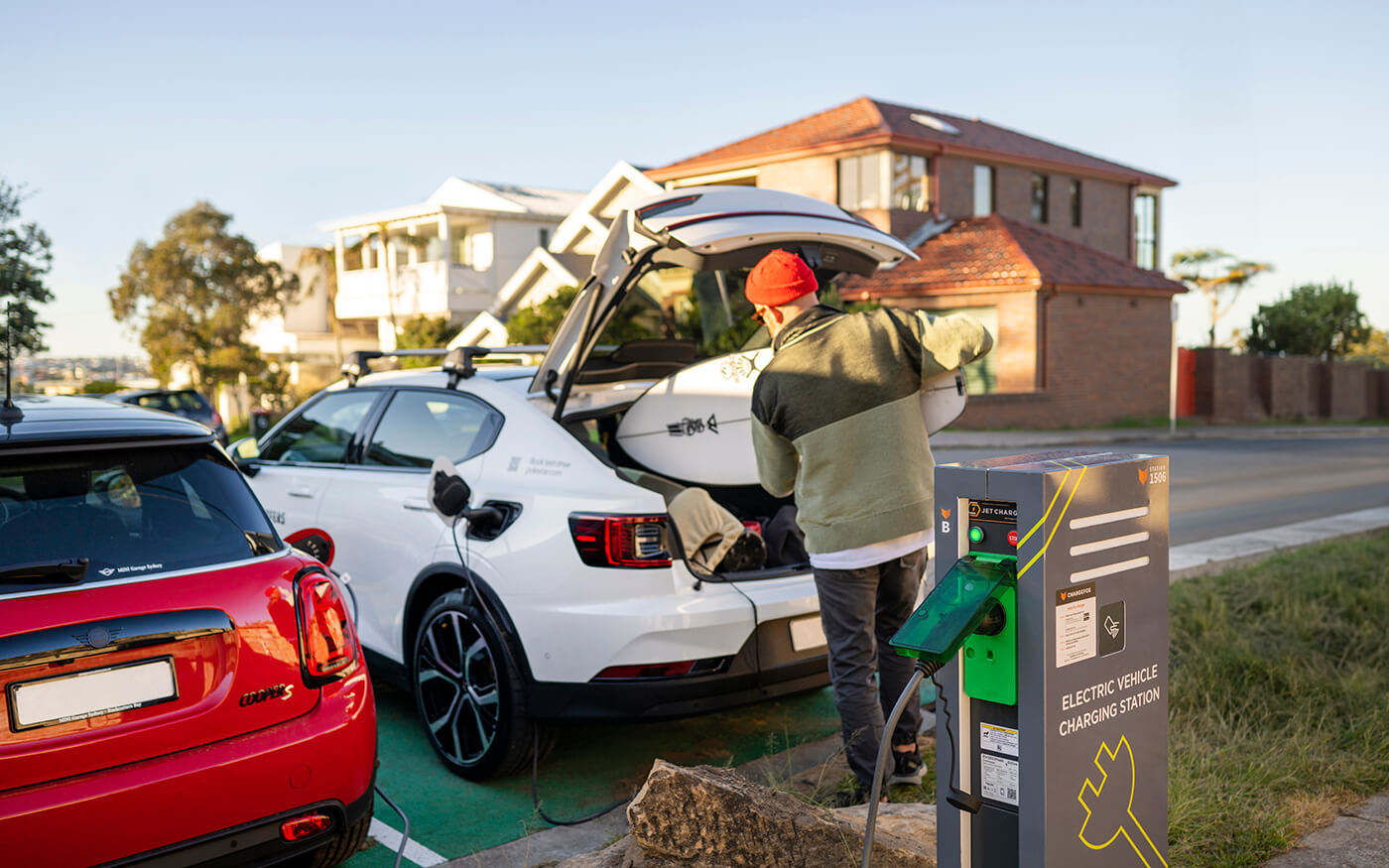
The New South Wales Government has unveiled a $100 million electric vehicle strategy aimed at expanding charging infrastructure, accelerating EV uptake and reducing transport emissions.
The 2026 NSW Electric Vehicle Strategy focuses on closing charging gaps across regional, remote and suburban areas, while supporting electric trucks and building a skilled workforce to service the growing EV fleet.
More than 117,000 EVs are now registered in NSW, accounting for 15.6% of new vehicle sales, with the government estimating they are saving around 141 million litres of petrol each year.
Premier Chris Minns says the strategy is designed to ease cost pressures on households.
“Families are feeling the pressure every time they fill up. We want to give more families the option of taking up EVs.
“This is about giving people a real alternative, one that’s cheaper to run and with this rollout, easier to access.
“We’re making it simpler to go electric, with more chargers, better access and real savings over time.”
Key measures include expanding fast-charging infrastructure in underserved areas, rolling out more kerbside chargers for drivers without home charging, and extending fleet incentives to include medium-sized electric trucks.

The strategy also includes training for around 2,000 mechanics in regional NSW and strengthening information services to help consumers and businesses transition to EVs.
Climate Change and Energy Minister Penny Sharpe says the plan will improve confidence among EV buyers.
“Owning an electric vehicle helps households and businesses save thousands of dollars on fuel and around 40 per cent on maintenance.
“This Strategy will get more EVs on the road and help drivers travel and charge with confidence.”
The government says it has already funded more than 3,300 chargers across more than 1,200 locations, with further rollout planned in partnership with councils and industry.
Roads Minister Jenny Aitchison says improving access in regional areas will be critical.
“We’re rolling out more charging stations to improve the network, particularly in regional and remote NSW, so going electric is a practical choice, and people can have confidence they will be able to access charging when they need it.”
The strategy also includes broader transport electrification initiatives, including transitioning more than 8,000 buses to zero-emission technology and supporting trials for heavy EVs on state roads.


Join the conversation