
Off-peak incentive encourages EV charging
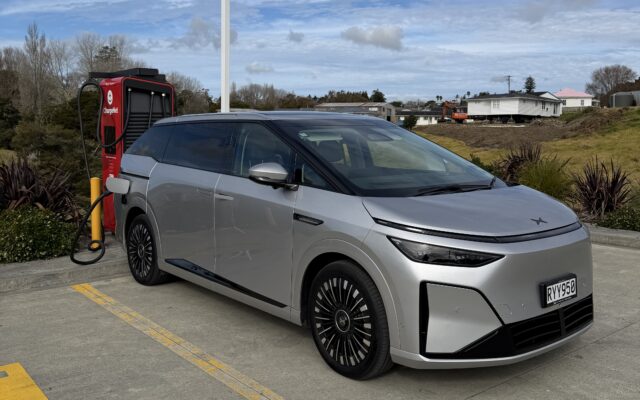
 A 20% off-peak electricity discount is encouraging more electric vehicles to be charged between 11pm and 7am.
That’s the finding of Mercury data which shows EV drivers responding well to price signals, suggesting there will be sufficient energy capacity to power New Zealand’s increasing EV uptake well into the future.
A clear change in electricity consumption patterns can be seen with customers taking advantage of the discount offered by Mercury, chief marketing officer Julia Jack says.
“While individual household electricity use peaked around midnight as EV charging drawdown was highest, analysis suggested that it would take eight in every 10 households in a neighbourhood to have an EV before overnight charging would exceed the usual evening usage that networks currently manage,” Jack says.
When looked at in the context of New Zealanders’ July winter usage, where New Zealand’s overall electricity use is highest, it suggests significant capacity is available for EVs charging overnight.
“This is an important insight as the electricity sector considers the opportunities and risks of large scale uptake of EVs in New Zealand,” Jack says.
“With around 85% of New Zealand’s electricity generated from renewable energy sources, transitioning vehicles to EVs is New Zealand’s largest green growth opportunity.
“Because of our renewable electricity base, each EV that replaces an internal combustion car in New Zealand represents about two tonnes less carbon going into the atmosphere every year.”
About 5500 EVs are registered in New Zealand, with numbers expected to double year-on-year.
Mercury compared the electricity consumption of customers on an EV charging price plan before they signed up to the plan, and then after they signed. It then compared those customers against a sample of general customers.
The data showed that there was no material increase in morning or evening peaks of household electricity use, some extra usage during the day and in the evening shoulder period, and a distinct increase after 11pm and overnight when the national grid has a large amount of spare capacity.
New in-car technology is also helping to ensure capacity is not an issue by spreading charging over the course of the night rather than all vehicles charging near the start of the off-peak period.
“We recognise this data is from a small set of customers – 63 who have smart meter data for the period October 2016 and July and October 2017, and who changed to an EV tariff between those dates,” Jack says.
“Mercury will continue to monitor patterns of charging behaviour to ensure the right options are provided for customers.
Join the conversation