
Polestar increases recycled cobalt content in EV batteries
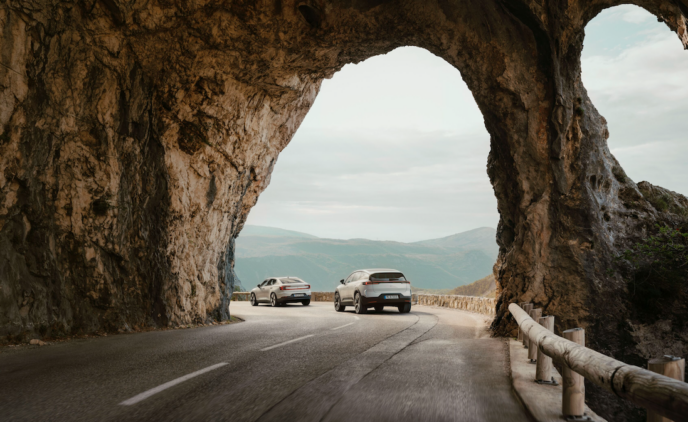
Swedish electric vehicle manufacturer Polestar says batteries used in its Polestar 2 and Polestar 3 models now contain at least 50% recycled cobalt, as part of efforts to reduce reliance on virgin materials.
The company says the move is part of a broader strategy focused on battery circularity, including extending battery life and increasing reuse across the value chain.
Polestar partners with Volvo Cars battery centres to refurbish high-voltage batteries, with replacement batteries supplied in refurbished form to maintain performance while reducing environmental impact.
Head of sustainability Fredrika Klarén says the approach reflects changing expectations from customers.
“To drive a Polestar is an intentional choice by customers who care about tomorrow,” Klarén says.
“Electrification, powered by renewable energy and enabled by circular battery materials, points to a new kind of system: one where resources stay in use and abundance replaces depletion,” she says.
Polestar says it is also establishing recycling partnerships across its markets to extend battery lifecycles and maximise material recovery.
The company’s circularity strategy includes the use of recycled aluminium and steel, recycled carpet materials and PET-based yarn, alongside efforts to reduce material complexity and improve recyclability.
Since 2020, Polestar has published lifecycle assessments for its vehicles and reported emissions across its value chain, while reducing relative CO2 emissions per vehicle by 25% and introducing smart charging integration.
The company says electrification remains the foundation of its broader sustainability strategy, with a focus on improving resource efficiency and supply chain transparency.
Join the conversation