
Rebate delay could cause distress for trade
While the new subsidy scheme for low emissions vehicles has been welcomed across the trade, its implementation has angered and to an extent distressed some in trade.
Subsidies for EV and PHEV vehicles come in to play from July 1, while a rebate system, which will see subsidies for hybrids and low-emitting vehicles, and penalties for high emitting vehicles, comes into play on January 1, 2022.
The issue for the trade is the time gap, as consumers and fleets make their buying decisions around when they can get – or not get – the financial assistance.
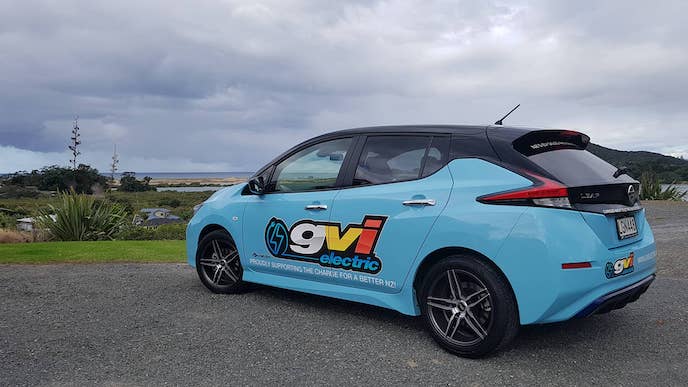
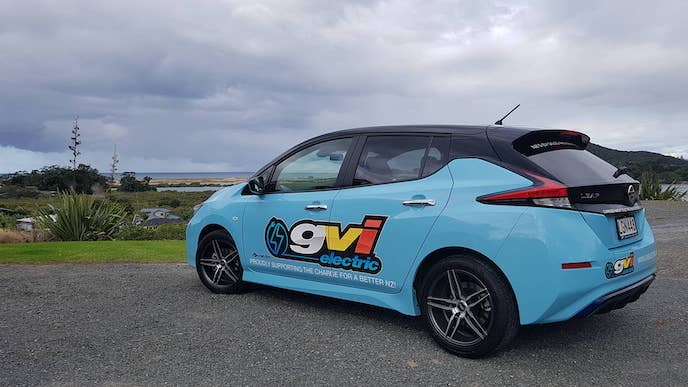
Prominent electric vehicle and hybrid dealer Hayden Johnston of GVI notes they sold four electric vehicles yesterday, but it is now unlikely they will be delivered until July 1, and he suspects it is unlikely any other deals will fully close in the next three weeks.
“We will not ‘sell’ another EV this month,” Johnston notes. “Though July should be a big month.”
For a large operation like his this is unlikely to be a problem, but for smaller dealerships that have been doing good work spreading the EV message, they now face weeks with little cashflow.
“There are guys who don’t deserve this,” he says.
But what is worse for the trade Johnston, and other dealers that have spoken to AutoTalk today, is the near-seven month gap to subsidies for hybrids. Subsidies will not be available yet, while customers will either ask for them or wait to get them.
“What is going to happen in October, November and December with the impending rebates? What is going to sell, what is not going to sell?,” he notes.
“Importers will be encouraged to import more high emitting vehicles.”
Trader Graeme Macdonald, who works with mostly hybrid vehicles, expects business to be severely hit.
“This proposal will kill hybrids sales for the next six months – maybe moderately for the next few months – and kill from September or so onwards. Very few buyers will want to purchase pre January 1, 2022 if they think they’re going to miss out on a rebate in doing so.
“The market can’t price in to subsidise (for those lead-in months) what the Government won’t.”
“Even worse is they’ve announced their intended start date without stating the value of rebates for used low-emitters. So the general public is left to make assumptions about the value; and true to type, will likely over-estimate and use that as a reason to hold off purchasing. It really is a disaster.”
“If ever there was a clear indication that this Government has no idea how market dynamics and forces work, OR refuse to acknowledge the good advice they have already been given, this is it.
Macdonald recalls back in 1997 when the final tarrifs were removed from used vehicles, it was announced the day before it came into play, so vehicles could be repriced overnight.
VIA chief executive David Vinsen says they are working on the issue, and had made it clear to government the problem could arise.
“We have told them time and time again not to announce things until you are going to do it. They have listened to it, they have understood it, but they have ignored it.”
The issue is not just one for the used import trade, with Toyota New Zealand chief executive Neeraj Lala – who is overall pleased with the incentives, particularly their inclusion of hybrids – noting they will be having to discuss how it all will work with Japan and major customers.
“I am very encourage on the announcements that have been made, and like any policy change there is going to be a transition period,” Lala says.
“We are just going to work through with our customers what that looks like.”
He says for many customers, mobility is a pressing need and they will purchase regardless of what may be ahead.
Toyota is currently faced with an extended waiting list for vehicles, particularly hybrids.

Join the conversation (1)
There’s another side to this issue that hasn’t been addressed by anyone. Every EV owner in NZ has suddenly lost between $3,500 and $8,500 from the value of their car almost overnight. If you’ve recently invested in a new EV, such as Tesla Model 3, Hyundai Kona, Kia Nero, MG, VW etc, then your car is now worth $8,500 less. For owners of older second-hand EVs the loss is $3,500. I can’t turn around and sell my 2014 BMWi3 for the same price, as I could have gotten a week ago because new stock coming in will all drop in price, devaluing my vehicle. It’s all a bit of a travesty coming from this totally useless Government that seem to do little for NZers but make life more and more difficult.