
Renault ‘ElectriCity’ aims to produce 400,000 EVs annually
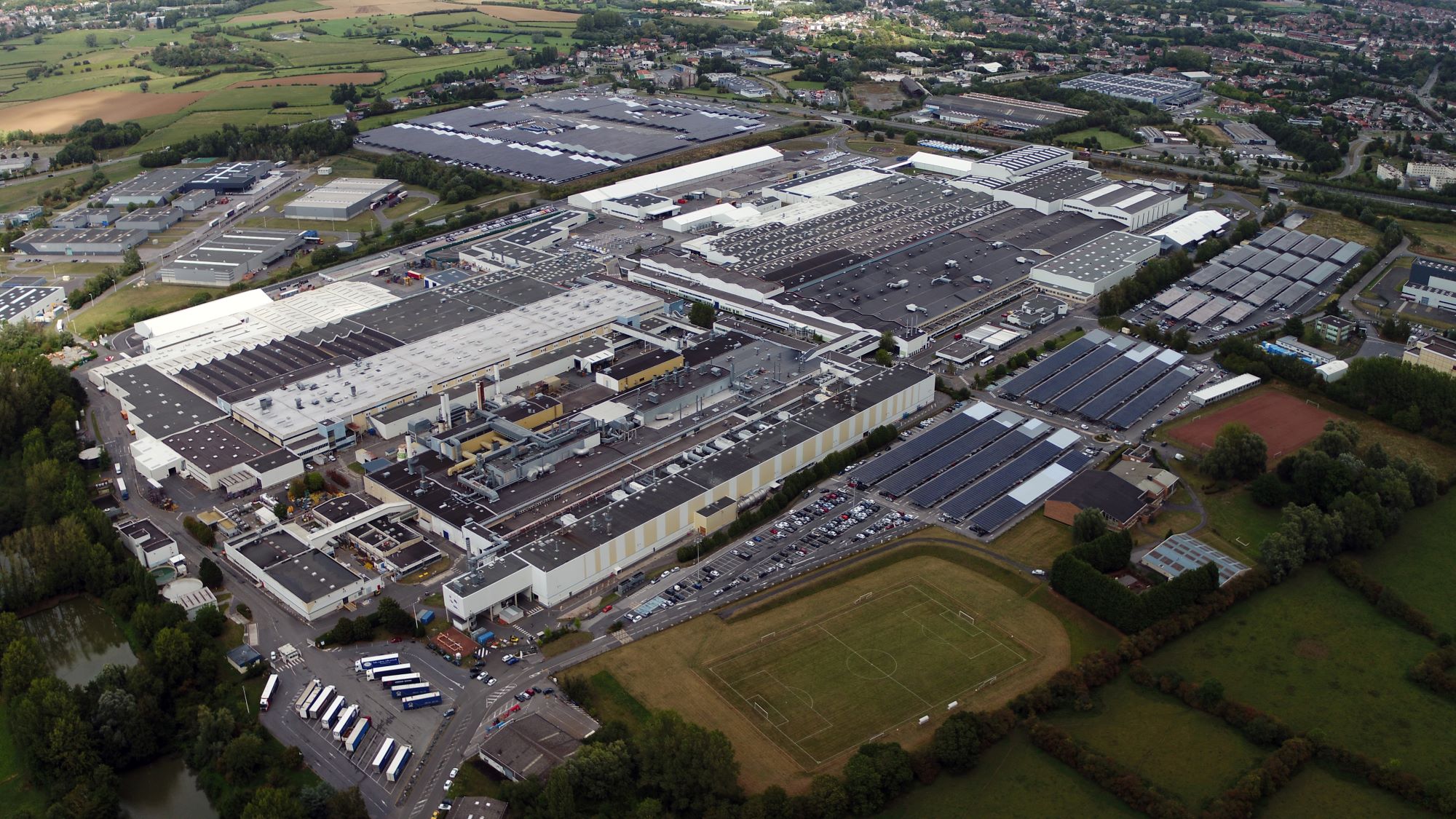
Renault’s three manufacturing plants in northern France (Douai, Maubeuge and Ruitz) will combine to create one of Europe’s largest EV production facilities – Renault ElectriCity.
It plans to produce 400,000 EVs annually by 2025, adding 700 jobs across the three sites by then and locating nearby a battery factory, other partners producing EV components, and including a university and training centre to form a complete EV ecosystem.
As part of its “Renaulution” strategic plan, Renault Group and representative trade unions have signed an agreement giving birth to Renault ElectriCity in the Hauts-de-France region, aiming to give the group and its brands a competitive edge through greater innovation and reduced costs.
The legal entity, wholly owned by Renault SAS, groups together the three industrial sites totalling nearly 5000 employees.
Renault Group says it will also work with start-ups and specialised entities to support future developments in the automotive world by participating in ‘incubator’ type initiatives.

“This agreement, signed with all the trade unions, is proof that the commitment of employees, constructive social dialogue and a strong local presence are key to setting up a robust and attractive industrial model,” Renault ElectriCity director Luciano Biondo says.
Douai will produce its first EV, the Mégane E-Vision, from 2021 on the alliance’s new modular CMF-EV platform; will be assigned a new C-segment vehicle on the same platform and will have a new electric platform for the industrialisation of B-segment vehicles installed.
Maubeuge makes vans like the Kangoo Electric, including for partners Mercedes and Nissan, and will produce the Kangoo E-Tech Electric in 2022 plus other EV variants by 2023.
Ruitz will host a new electrical components manufacturing activity.
Over time, the three sites will share the same managerial and staffing structures.
Join the conversation