
Smart EV charging rules aim to cut costs and ease grid pressure
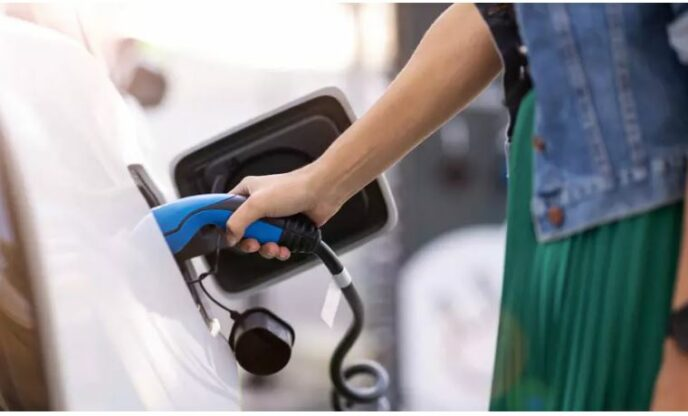
New requirements for electric vehicle chargers will make it easier and more affordable for New Zealanders to charge their vehicles, while helping manage growing electricity demand, Energy Minister Simeon Brown says.
Under the proposal, EV chargers supplied in New Zealand will need to meet minimum ‘smart functionality’ standards and be clearly labelled, allowing users to shift charging to cheaper, off-peak times automatically.
“More New Zealanders are choosing electric vehicles, or considering one for the future, and we need to make sure our electricity system is ready,” Brown says.
“This means EV chargers can automatically shift charging to times when electricity is cheaper and demand on the system is lower – such as overnight or other off-peak periods.”
The requirements will apply to new chargers with a capacity above 2.4kW, covering most fixed household and business units, but excluding portable charging cables typically supplied with vehicles.
Brown says the move is aimed at avoiding rising costs as EV uptake increases.
“Without smarter charging, unmanaged EV charging could increase household peak demand by up to 40 per cent and add around $220 a year to the average household power bill by 2050. Managing charging can avoid these costs.”
Smart charging systems respond to signals such as time-of-use pricing and network demand, helping shift electricity use away from peak periods and reducing strain on the grid.
The Government says this could save households up to $220 a year by 2050 and avoid up to $4 billion in electricity network costs.
“That additional demand would fall on peak times, putting pressure on the grid and driving the need for costly new electricity generation and network upgrades – costs that would ultimately be passed on to consumers,” Brown says.
“Our focus is on ensuring all Kiwi households and businesses have secure, affordable energy… this change is about building the future of New Zealand’s energy system – one that is smarter, more resilient, and better able to support the growing use of electric vehicles.”
The proposal will be enabled through amendments to the Energy Efficiency and Conservation Act 2000, with legislation expected to be introduced later this year.
MBIE and the Energy Efficiency and Conservation Authority will undertake public consultation on the draft rules before they are finalised.

Join the conversation