
Solid-state batteries from next year

Stellantis says it will start using solid state batteries soon, with road testing of the-US Factorial batteries starting in 2026.
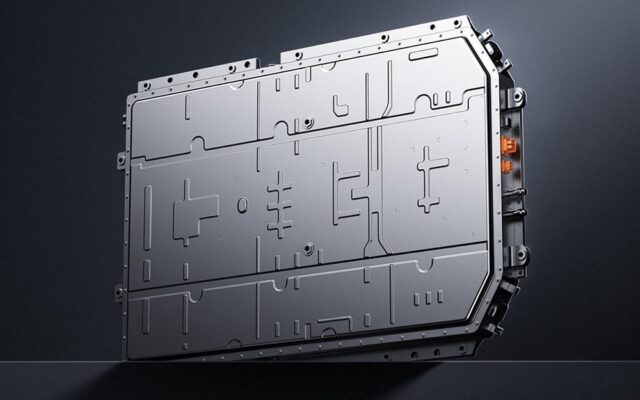
MG intends using solid-state battery technology next year, says NZ Autocar.
Factorial’s solid-state cells reportedly have an energy density exceeding 390Wh/kg which compares with about 270Wh/kg for current lithium-ion battery tech, leading to longer range and reduced battery pack weights compared with EVs now, NZ Autocar says.
Stellantis intends having the Dodge Charger Daytona with the Factorial batteries in 2026 for performance and durability testing in real-world conditions, it adds.
EVs based on the STLA Large platform will get priority for the new solid-state battery technology, with larger vehicles from Alfa Romeo, Maserati, Jeep, Dodge and Chrysler.
Toyota says solid-state battery tech will initially go into its hybrid vehicles, aiming to have them in new cars by 2027 or 2028.
Nissan estimates its first solid-state EV will arrive in 2028 – its battery pack about half the size and weight of a similar conventional battery pack with the same capacity
MG owner SAIC says it will start introducing the new technology next year, its semi-solid-state battery pack giving a large saloon 800km range.
Chery also suggests it has solid-state batteries with an energy density of 600Wh/kg ready to roll in 2026, says NZ Autocar.
Volkswagen says its PowerCo battery manufacturing division will mass-produce solid-state batteries developed by QuantumScape, possibly by 2026-2027.
In China, BYD and CATL have partnered to fast-track solid-state battery technology, expecting small-scale production to start in 2027, and solid-state technology to be mainstream.
Lithium iron phosphate (LFP) batteries are likely to be used in entry-level EVs for at least the next 20 years, NZ Autocar says.
Some manufacturers like Mercedes-Benz ponder whether solid-state batteries are necessary because of “unexpected” progress with lithium-ion battery technology.


Join the conversation