
Urgent Need’ for Mandates Around Home Based Renewable Energy
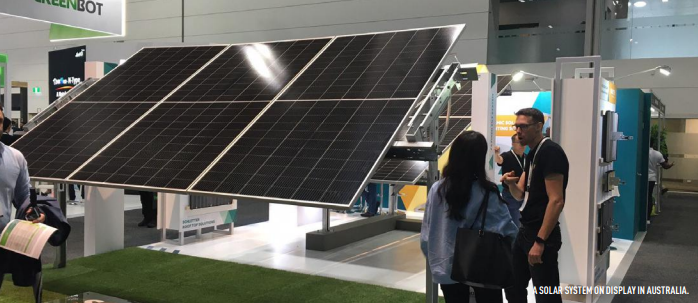
ANew Zealand solar energy installer warns that electrifying New Zealand while building thousands of new homes that can’t generate their own renewable energy is foolhardy in light of Transpower’s warnings about strain on the national power grid.
Auckland solar energy specialist Vital Solar director Cameron Dick says that even if new buildings were provisioning for renewable energy, there aren’t enough trained installers to meet existing demand.
“Even during the wettest winter months, Transpower urged Kiwis to ease up on electricity consumption,” he says.
“At the same time, there’s a push to electrify half of the country’s vehicle fleet within the next eight years, yet current Homestar energy ratings don’t even mention renewable energy.” More sustainable electricity generation will be critical for New Zealand to reach its 2030 zero carbon goals.
To achieve them, 100% of imported cars would need to be electric or hybrid by that date – which would be a considerable jump from the total of 3% imported in 2019, Dick says.
“New Zealand needs a better framework for training local solar installers, a mandatory source of ethicallymanufactured solar energy products, better education of the public.
“And renewable energy should be a standard requirement for new structures, particularly homes,” he adds.
Britain is mandating that every new home has provision for an EV and solar energy infrastructure, and New Zealand needs urgently to do the same, Dick says.
His advice for homeowners considering solar panels is to:
CHECK THE WARRANTY
Not all solar panels are created equal, and that goes for the warranties as well.
In general, there are two types of warranties, Dick says.
“The first type is a product warranty, and the second is a performance warranty (manufacturers state what the performance will be over a certain time period): about 90% output for up to 10 years and 80% output for up to 25 years.
“The third is a labour or service guarantee, meaning the manufacturer or installer will replace or repair the panel if a defect occurs (not all manufacturers offer this).
“Solar panels are fragile things, so getting a warranty is crucial.”
DO THE RESEARCH
The number of solar products expands yearly, so it’s worth shopping around for panels that best fit a home’s design and build.
Dick advises performing due diligence on the choice of installers to avoid “cowboys”. “Research an installer’s track record, reviews, how long they’ve been in business, their training programme, and the ethos of the company.
“A positive sign is if they belong to a group like SEANZ (Sustainable Energy Association of New Zealand).”
UNDERSTAND YOUR NEEDS
Powering an entire house or capturing and storing a bit of energy for charging digital devices in the evening are two very different motivations for installing solar panels.
Do you want an off-grid system or one that is tied into the grid? Dick asks.
“It’s essential to know what system will supply adequate power for a household without under-serving or over-serving.
“Calculate the energy consumption of your house over the last six to 12 months.
This will help decide if you need a three- or eight-kilowatt panel, potentially saving thousands of dollars annually,” Dick says.
If enough homes are equipped with solar panels, the amount of energy that could be generated will lighten the load on the grid.
“Yet to get there, New Zealand needs a better framework to train solar installers.
Increasing the effort to educate homeowners about the available options for home solar electricity systems is also essential.” Dick says that though people are incentivised to build energy-efficient homes to lower their power costs, there need to be more trained solar installers to meet the rising demand.
Visit https://vitalsolar.co.nz/ for more information.


Join the conversation