
Cheaper ID. Buzz coming as Volkswagen halves its range
Volkswagen’s next ID. Buzz moves to a cheaper platform, and electric models will replace their petrol twins as the group halves its range.
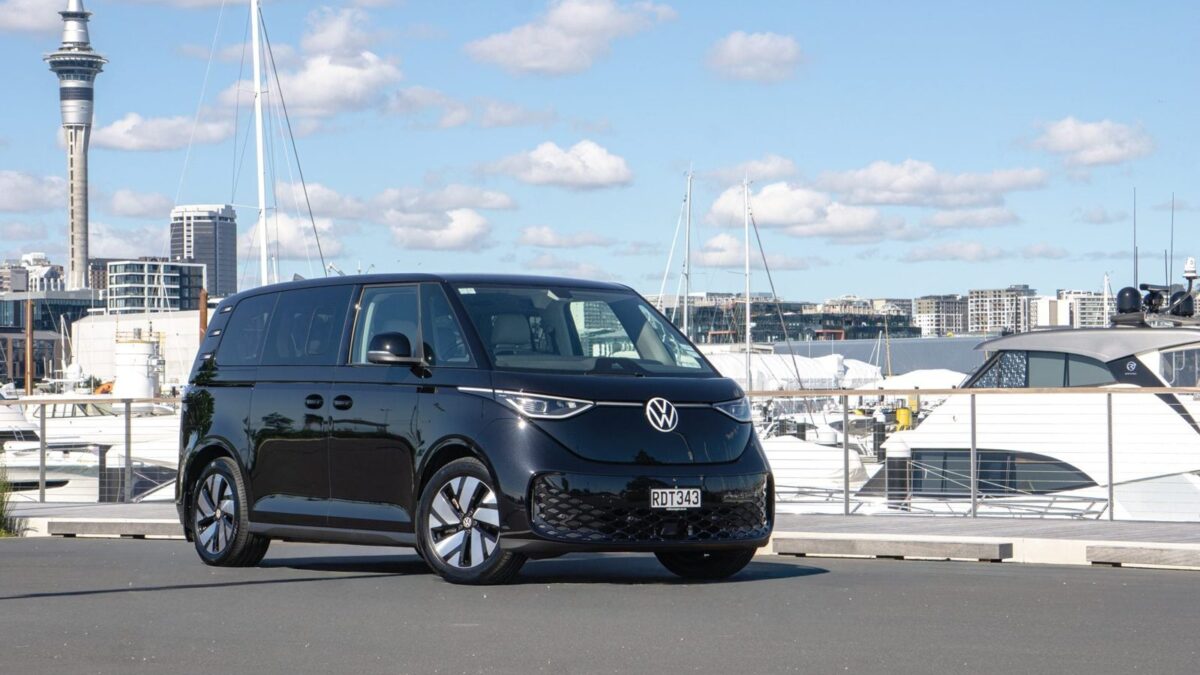
Volkswagen is developing a second-generation ID. Buzz that it expects to cost less to build, while the group plans to halve its model range as electric cars take over from their petrol equivalents.
Volkswagen chief executive Thomas Schäfer outlined both plans at the Paris motor show, telling Auto Express that the current ID. Buzz has the “wrong cost base” and that this is limiting sales.
A cheaper ID. Buzz
The next ID. Buzz will move from today’s MEB architecture to Volkswagen Group’s Scalable Systems Platform, or SSP. The change is expected to improve range, charging speed and software while cutting development and production costs.
SSP vehicles will use electronic architecture and software developed through Volkswagen Group’s joint venture with Rivian, designed to support infotainment and driver assistance features that can be updated over the air.
Schäfer also suggested that lithium iron phosphate batteries could help make the next ID. Buzz more affordable, although its battery specifications have not been confirmed. Volkswagen Group expects its first SSP-based vehicles by the end of the decade, and the current ID. Buzz will get updates before then.
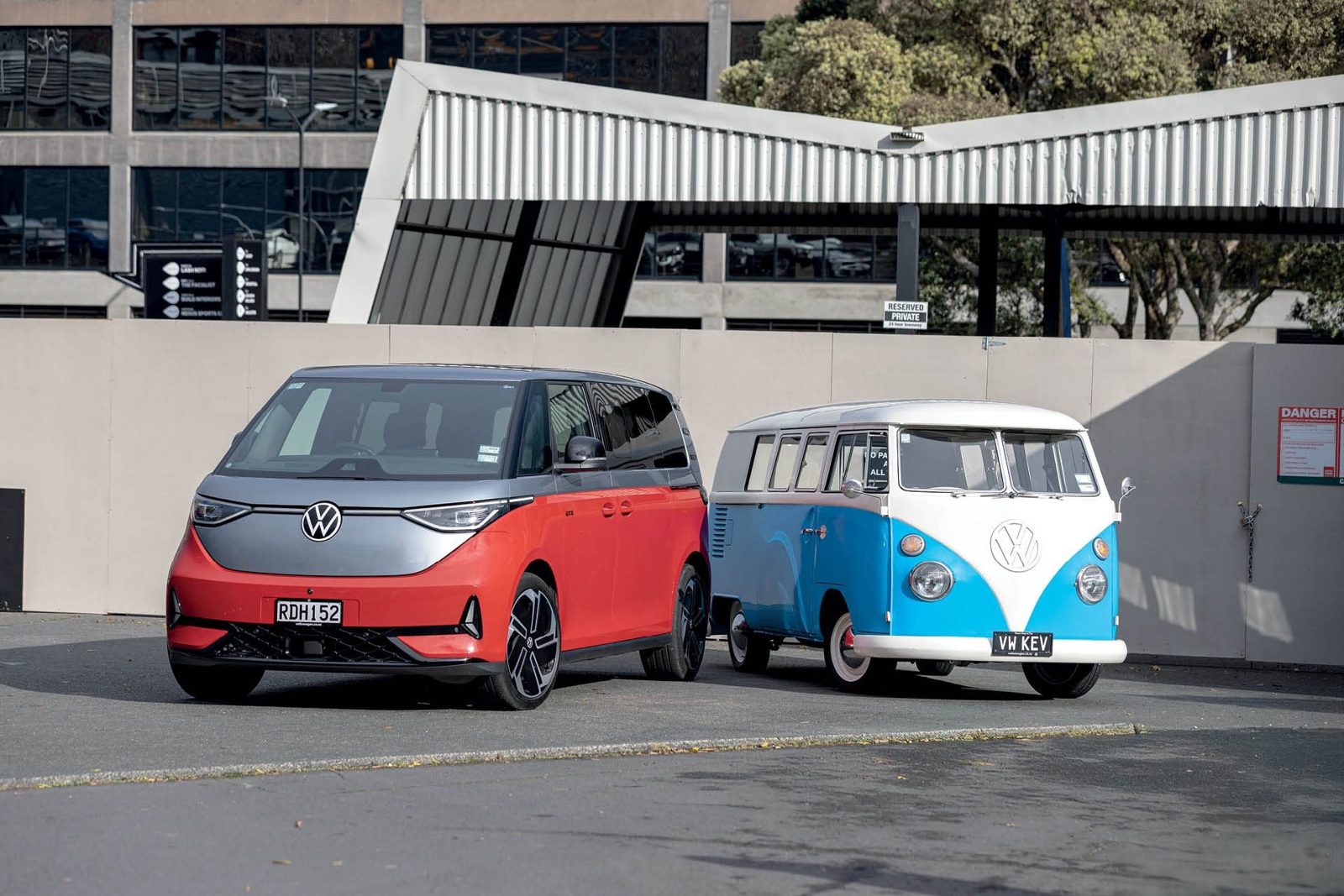
Design chief Andreas Mindt has cautioned against repeatedly recycling retro styling, citing the challenges faced by successive modern Beetles, but says the electric van will keep a distinctive character. “This I can promise you in the future: it will be interesting,” he told Auto Express.
In New Zealand, the passenger ID. Buzz is listed from $129,990 plus on-road costs, with five to seven seats and a WLTP range of 382 to 403km depending on specification.
Electric models to replace petrol twins
Schäfer says the group’s plan to halve its model portfolio will come largely through electrification and closer coordination between brands. He pointed to the Polo and ID. Polo, and the T-Cross and ID. Cross, as combustion and electric pairs that would not need to coexist indefinitely, describing the change as a “natural transition”.
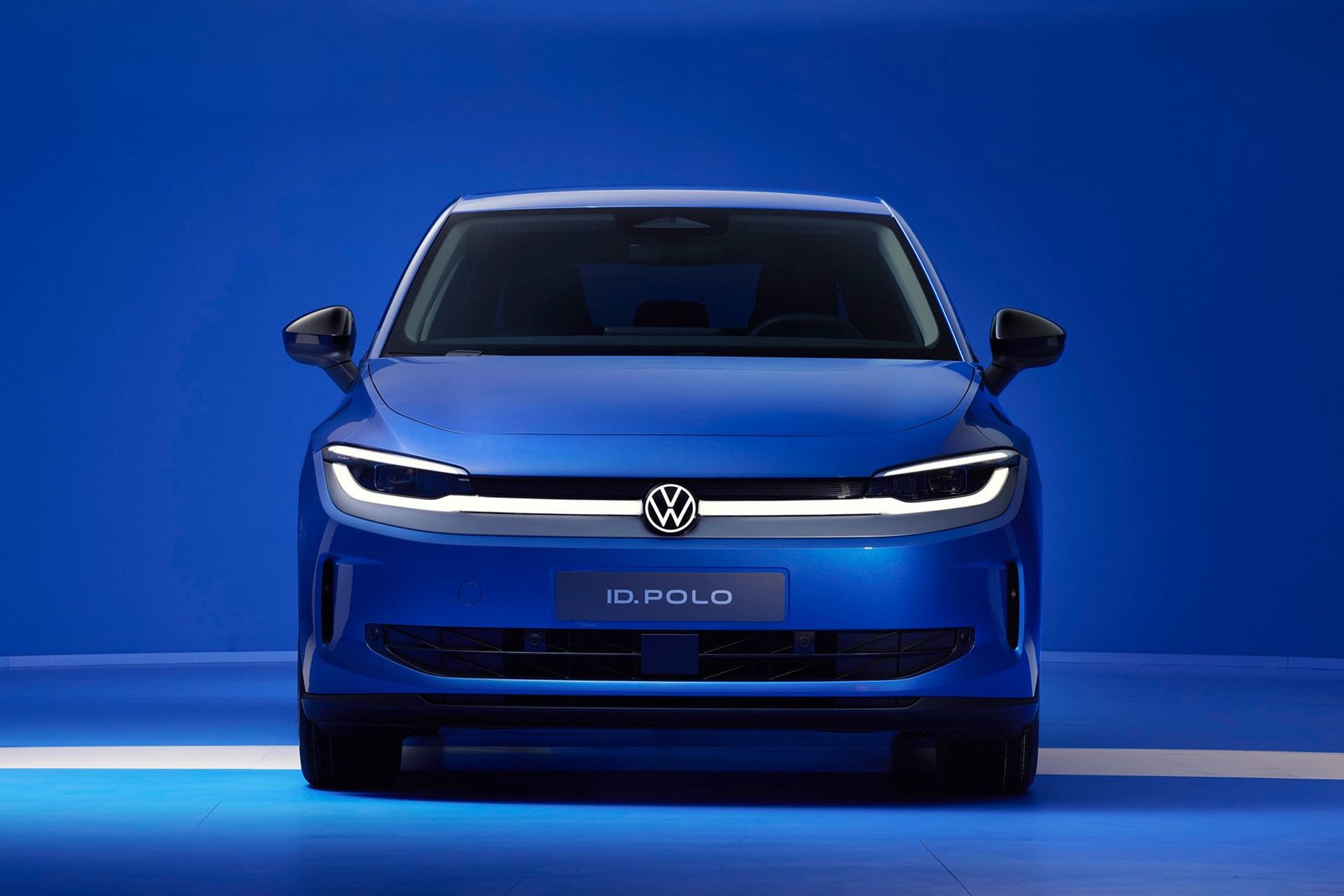
Volkswagen has mapped out its preferred portfolio for 2035 and aligned it with plans for Skoda and Cupra. Schäfer says the resulting range is roughly half the size, with more emphasis on profitable products.
Future projects will be organised into “synergy groups”, with one brand leading development where several need similar vehicles. The aim, Schäfer says, is to ensure “we are not all fishing in the same spot at the same time.”
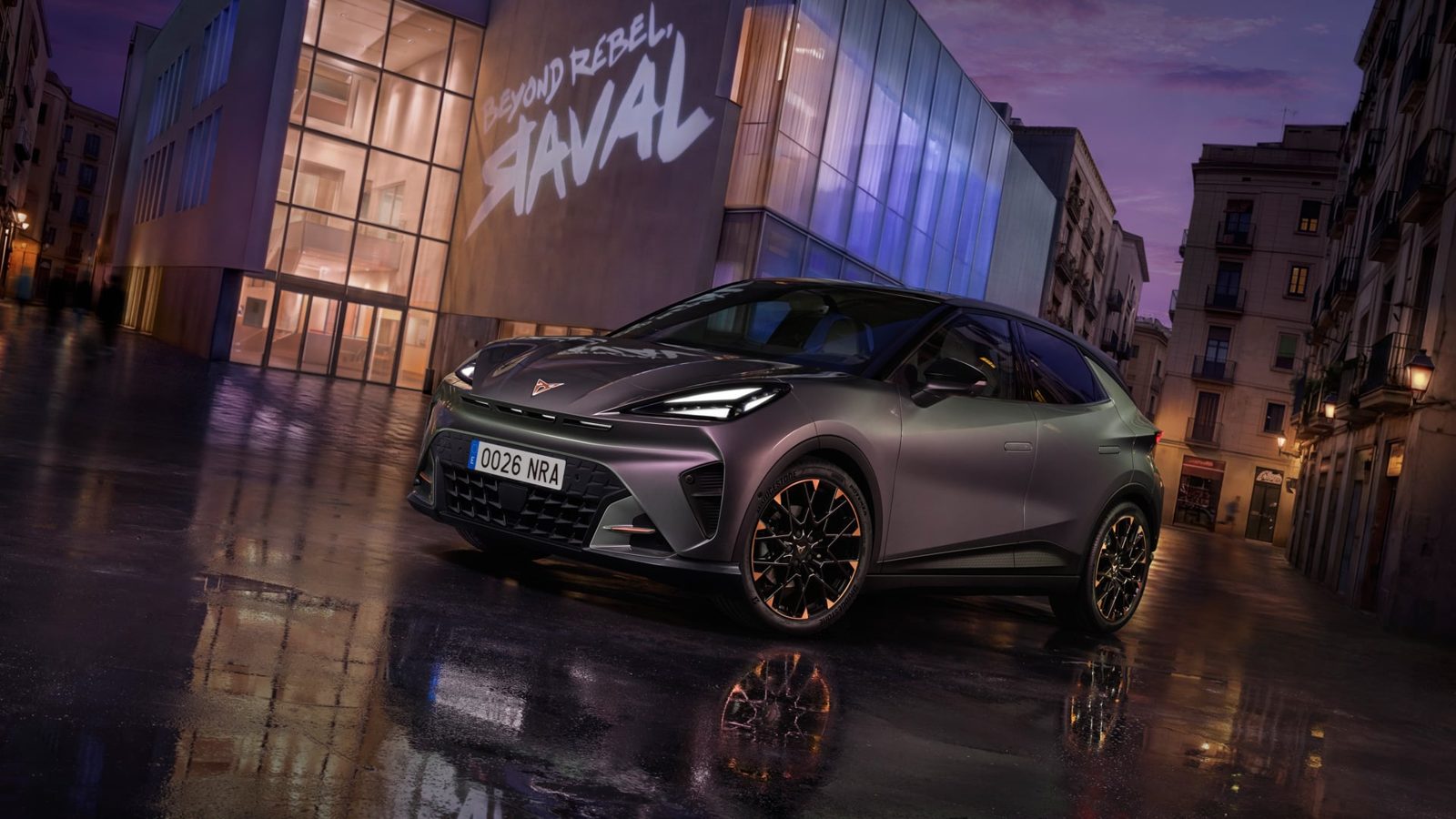
That approach is already in place for the group’s small electric cars: the Volkswagen ID. Polo and ID. Cross, Cupra Raval and Skoda Epiq. Volkswagen says the four models had attracted almost 150,000 orders ahead of their joint appearance in Paris.
Not every model will have sister cars. Schäfer says only Volkswagen will offer the production version of the ID. Every1 city car concept, because that market is too small to justify equivalents from several brands.
It is less straightforward for the group’s premium brands. Schäfer told Auto Express that 2035 was not necessarily a cut-off for combustion cars at Audi, Porsche and Lamborghini, which makes their portfolio decisions more complicated.
What it means here
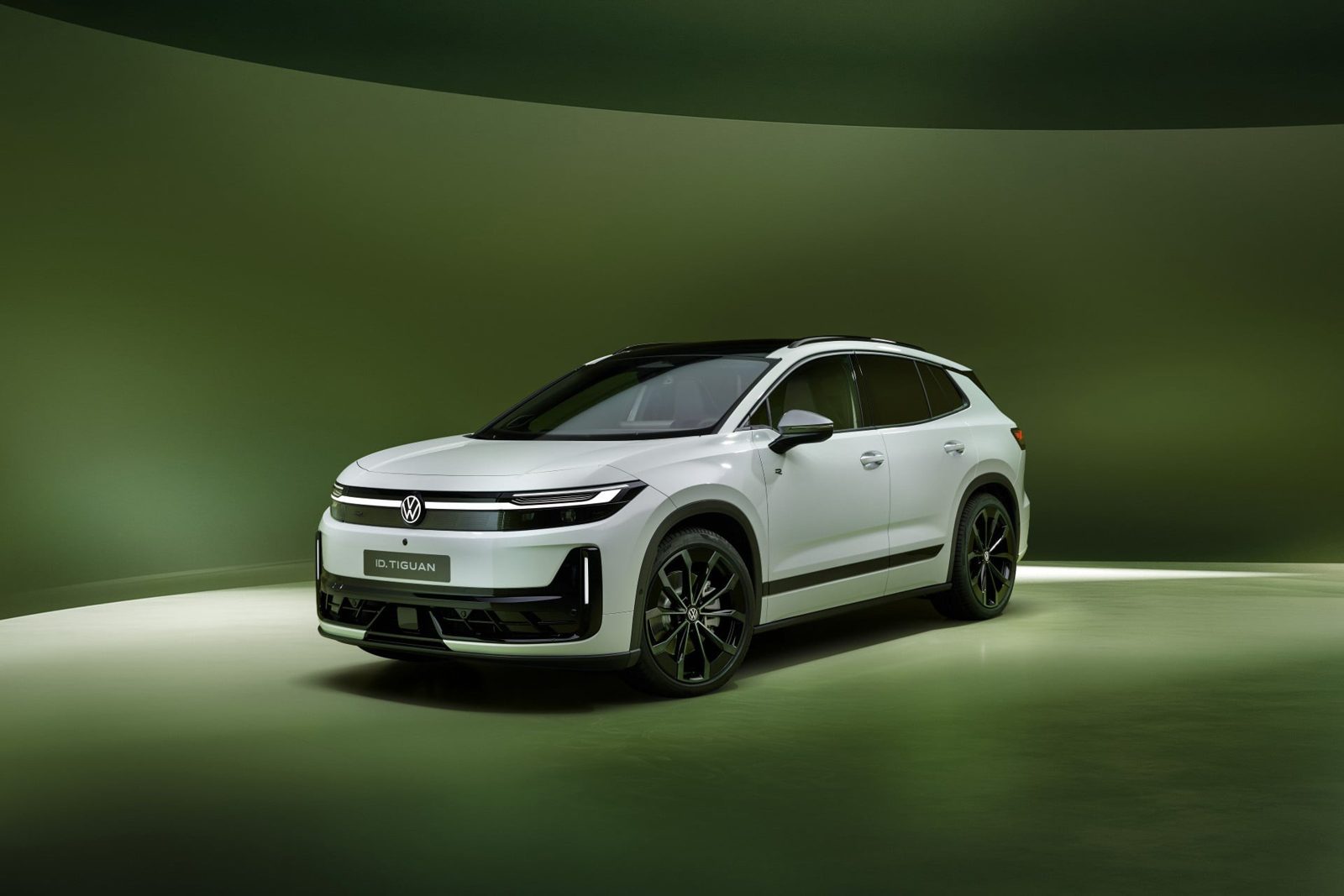
In New Zealand, petrol and electric models will still share showroom space for now. Volkswagen NZ has confirmed that the ID. Tiguan will arrive in 2027 alongside the existing Tiguan rather than replacing it, with local specifications, pricing and timing to be announced closer to launch.
Join the conversation