
Volvo beats its CO2 emission target – offers surplus to Ford
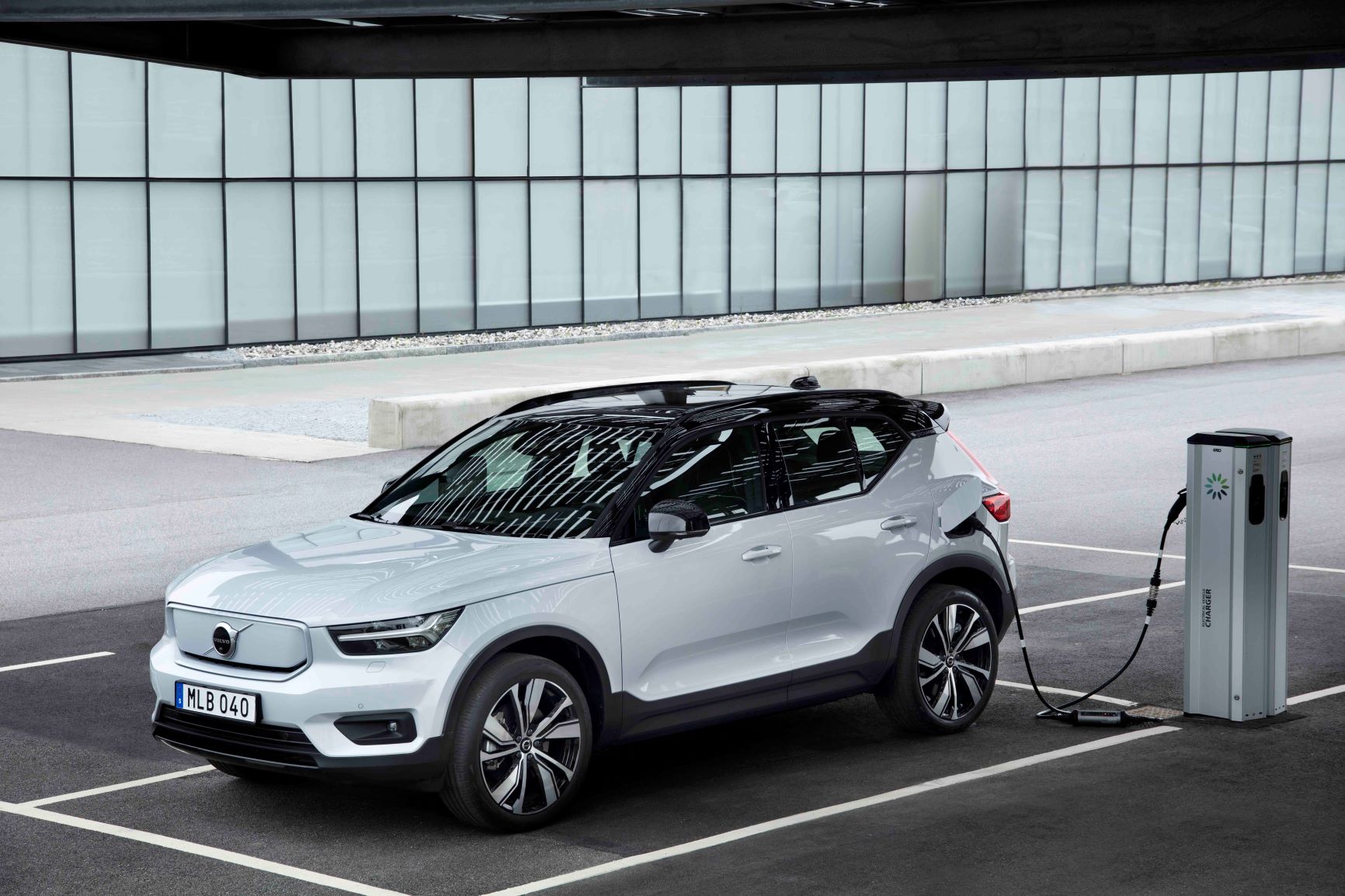
Volvo Cars and its strategic affiliate Polestar confirm they will reduce fleet emissions beyond their joint CO2 target for 2020.
That’s as defined by the regulations set by the European Commission, adding further credibility to both companies’ strategic focus on electrification.
As a result, Volvo Cars and Polestar have (as Volvo Car Corporation) entered into a pooling arrangement with Ford offering their surplus CO2 emissions to Ford and potentially other car makers in line with the pooling system implemented by the European Commission.
The revenue from the deal will be reinvested in new green technology projects, Volvo says.
“For Volvo Car Group the future is electric and we are transforming our company through concrete action,” group chief executive Håkan Samuelsson says.
“I am pleased to see that we are exceeding our CO2 reduction targets. It proves our strategy is the right one for our business and for the planet.”
Volvo Cars says it was the first established car maker to commit to all-out electrification and is the only brand to offer a plug-in hybrid (PHEV) variant on every model in its line-up.
It will also introduce a range of fully electric models in coming years, with XC40 Recharge deliveries starting later this year.
Sales of its PHEVs amounted to more than a quarter of sales in Europe during the first three quarters of 2020.
During the period, Volvo Cars was the number one PHEV premium brand in Europe as measured by IHS, and by 2025 Volvo Cars aims for its global sales volume to consist of 50% fully electric cars, with the rest hybrids.
Meanwhile, Polestar started deliveries of its fully electric Polestar 2 model earlier this year.
Volvo Cars’ electrification strategy is part of its climate plan, under which it aims to become a climate neutral company by 2040.
The company will also tackle carbon emissions in its manufacturing network and wider operations, its supply chain and through recycling and reuse of materials, starting by reducing its lifecycle carbon footprint per car by 40% between 2018 and 2025, including through a 50% reduction in tailpipe emissions per car.
Meanwhile, Volvo Cars is making significant investments that allow for the in-house design and development of electric motors for the next generation of Volvo models.
The company has opened a new electric motor lab in Shanghai, China, in addition to ongoing e-motor development in Gothenburg and battery labs in China and Sweden.
Bringing the development of electric motors in-house will allow Volvo Cars engineers to further optimise electric motors and the entire electric driveline in new Volvos, providing gains in energy efficiency and overall performance.

Join the conversation