
Will self-driving trucks make 4.4 million drivers redundant?
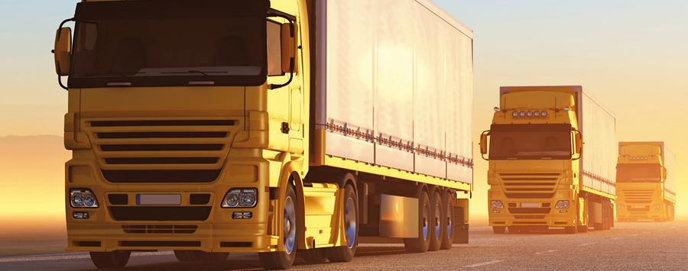
Automated road freight will save costs, reduce emissions, make roads safer. But the impact on driver jobs requires a managed transition, says a new European study.
It says governments must consider ways to manage the transition to driverless trucks to avoid potential social disruption from job losses.
The report was prepared by the European Automobile Manufacturers’ Association (ACEA), the International Transport Workers’ Federation and the International Road Transport Union (IRU), in a project led by the International Transport Forum (ITF), a Paris-based intergovernmental organisation linked to the OECD.

The study says self-driving trucks will help save costs, lower emissions and make roads safer. They could also address the shortage of professional drivers faced by road transport industry.
But automated trucks could reduce the demand for drivers by 50-70% in the US and Europe by 2030, with up to 4.4 million of the projected 6.4 million professional trucking jobs becoming redundant, according to one scenario.
Even if the rise of driverless trucks dissuades newcomers from trucking, More than 2 million drivers in the US and Europe could be directly displaced, according to scenarios examined for the report.
The report makes four recommendations to help manage the transition to driverless road freight:
· Establish a transition advisory board to advise on labour issues.
· Consider a temporary permit system to manage the speed of adoption.
· Set international standards, road rules and vehicle regulations for self-driving trucks.
· Continue pilot projects with driverless trucks to test vehicles, network technology and communications protocols.
“Driverless trucks could be a regular presence on many roads within the next ten years. Self-driving trucks already operate in controlled environments like ports or mines. Trials on public roads are under way in many regions including the United States and the European Union,” says ITF secretary-general José Viegas.
Manufacturers are investing heavily in automation, and many governments are actively reviewing their regulations. Preparing now for the potential negative social impact of job losses will mitigate the risks in case a rapid transition occurs,” says Viegas
“Autonomous trucks will bring many benefits to society, from cost savings and lower emissions to safer roads. Autonomous vehicles will also help the haulage sector deal with the current shortage of drivers in many parts of the world,” says IRU president Christian Labrot.
“However, we have to remember the dedicated drivers of today will need retraining tomorrow, and we must keep attracting professionals into road transport. We all need to work together for a smooth transition to driverless technology,” says Labrot.
“Self-driving trucks threaten to disrupt the careers and lives of millions of professional truck drivers,” says International Transport Workers’ Federation general secretary Steve Cotton.
This report is a timely investigation into how that transition could happen. Its recommendations will help governments to ensure a just transition for affected drivers,” he says.



Join the conversation