
Wrightspeed delay reprieves Wellington trolley bus fleet
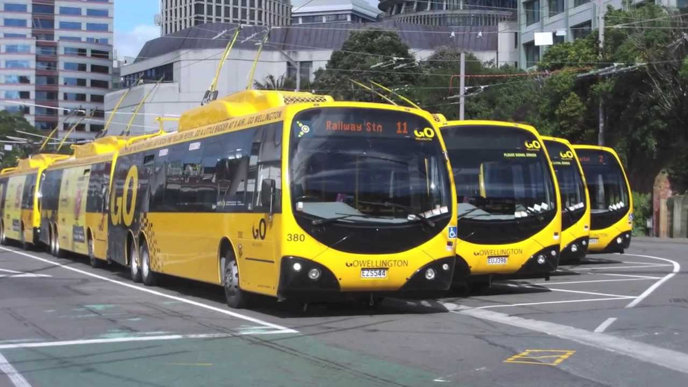
A delay in testing the NZ Bus Wrightspeed prototype bus means that the Go Wellington trolley bus fleet will soldier on to October rather than finish up in June as initially expected.
Greater Wellington Regional Council Chairperson Chris Laidlaw confirmed to Fairfax NZ that the trolley bus fleet would continue until later this year as testing scheduled for late 2016 is now just beginning on the Wrightspeed powered bus.
Wrightspeed founder Ian Wright was in Wellington as a guest speaker for the MTA100 on April 29, confirming to the audience that the company was yet to deliver its first bus.

He admitted the transition from a start-up company to one engaged in full series production is difficult.
“You need 100% of the parts required for production to go ahead, and it’s a complex supply chain to have everything come in at once,” he says.
But Wright refused to make any direct comments on the NZ Bus contract when questioned by Auto Media Group and also members of the audience at the MTA 100 presentation.
“You will have to ask Zane (NZ Bus chief executive Zane Fulljames), I cannot comment on anything regarding NZ Bus,” says Wright.
According to Fairfax NZ, Fulljames said in April that testing on the Wrightspeed Bus prototype would take about a month.
Auto Media Group emailed Fulljames for comment about the situation on April 26 and as yet has not received a reply, and the Wellington public relations firm Sweeny Vestey which acts for NZ Bus also has not been able to provide an update on the situation.
NZ Bus first announced it was investing $43 million in the electrification project in April 2016.
The Wrightspeed powertrain works by using electric motors (powered by batteries) to drive the wheels. The energy created by braking is converted to electricity, recharging the batteries on the go.
When the batteries do run low, an on-board range extender (which could run on any fuel including diesel, biofuel, landfill gas and natural gas) kicks-in.
According to Fairfax NZ, Greater Wellington public transport manager Wayne Hastie says the trolley bus conversions would be done gradually, if and when the Wrightspeed technology was rolled out.
“Some of the trolley buses could stop earlier if that process if successful,” says Hastie. “How many are still running by October will depend on the rate at which the buses are converted.”
Hastie says he is cautiously optimistic the Wrightspeed buses would be implemented.


Join the conversation