
Wrightspeed gears up for long-haul applications
This story first appeared in the May issue of EVTalk – CLICK HERE to download the magazine FREE
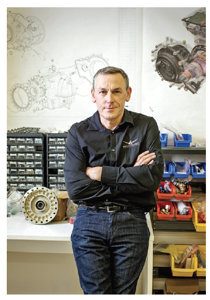
Wrightspeed has begun series production of its range-extended electric powertrains for stop-start and urban heavy-duty vehicle commercial applications.
The California-based start-up company was founded by New Zealand engineer Ian Wright who spoke at the MTA100 event in Wellington last month.
He had previously said range-extended electric vehicles such as those developed by Wrightspeed were not suitable for long-haul on-highway heavy duty vehicle applications.
But he told the audience “it turns out there is a way to do long haul and we are looking at it”.
Wrightspeed Powertrains has built two prototype trucks – two parcel delivery trucks for Federal Express (FedEx) – and is now building a garbage truck application and a bus application.
Wright admits the transition from a start-up company to one engaged in full series production has been difficult.
“You need 100% of the parts needed for production to go ahead and it’s a complex supply chain to have everything come in at once.”
And he says despite the hype around electric vehicles in the United States, battery electric vehicles account for just 0.5% of sales in the new vehicle market while plug-in hybrid electric vehicles have only a 1% share of total new vehicle sales.
Wright offered some insight into why customers would consider spending $280,000 on retrofitting a Wrightspeed range-extended electric powertrain called “The Route” into a heavy-duty 30-tonne municipal garbage truck.
“We target a three-year payback – instead of consuming fuel at the rate of 1.1 kilometres per litre (2.6 miles per gallon) using a diesel engine, using our powertrain the truck is consuming 60% less fuel at 2.55 kilometres per litre (6 miles per gallon).”
Wright says the lithium titanium oxide batteries that form part of the electric powertrain have a ten-year service life and the company chose diesel to power the turbine generator because most customers have easy access to such fuel.
He also believes diesel engines in heavy duty applications will disappear from central business districts and urban areas as local and central government clean air and noise reduction regulations become more stringent and commonplace.
And he says it’s not just nitrous oxide emissions from diesel particulates that authorities should be concerned about but also the brake dust created by the hard stop-start nature of garbage truck operation.
“While you can’t do it in every case, through the regenerative brake system we can recover lots of energy from hard stops without using the friction brakes which is a saving for the customer and the environment.”
Wright says global interest in Wrightspeed is now enormous and the company is fielding enquiries from diverse industries such as mining, agriculture and snow grooming.
It has even received an enquiry from a prospective customer in Jordan which imports all its fossil fuels from neighbouring Middle Eastern countries.



Join the conversation