
XPeng X9 review: the people mover that charges faster than anything else in New Zealand
The XPeng X9 seven-seat electric people mover set a New Zealand public charging record of 337kW, and it drives like a decent SUV.
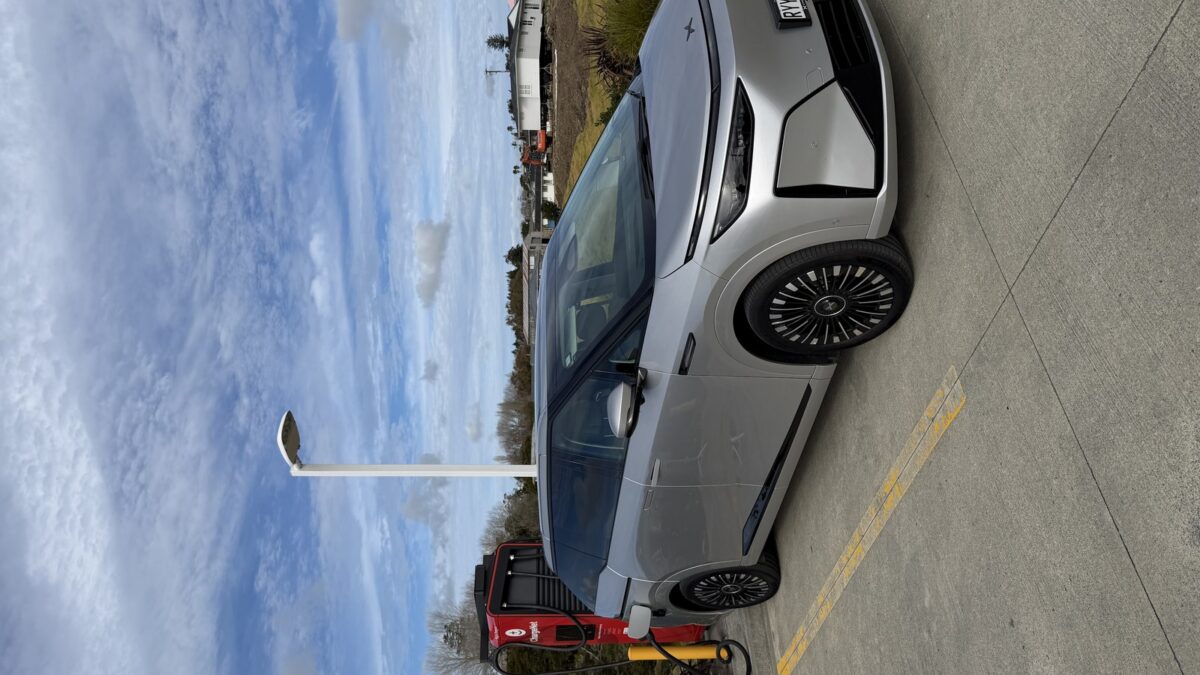
Until recently, nobody in New Zealand spent $120,000 on a people mover because there was nothing to spend it on. The bulk of the MPV market here goes to rental fleets. Beyond that it has been van-based Europeans at one end and parallel-imported Toyota Vellfires at the other, the latter serving a loyal and largely Asian customer base. Anyone else with that sort of money and a family to move bought a large SUV.
Then the Chinese arrived. The Zeekr 009 opened the door, the Denza D9 followed, and now XPeng has landed the X9. For the first time there is a real choice of luxury electric people movers, and this one makes the strongest case yet for cross-shopping against the big SUVs.
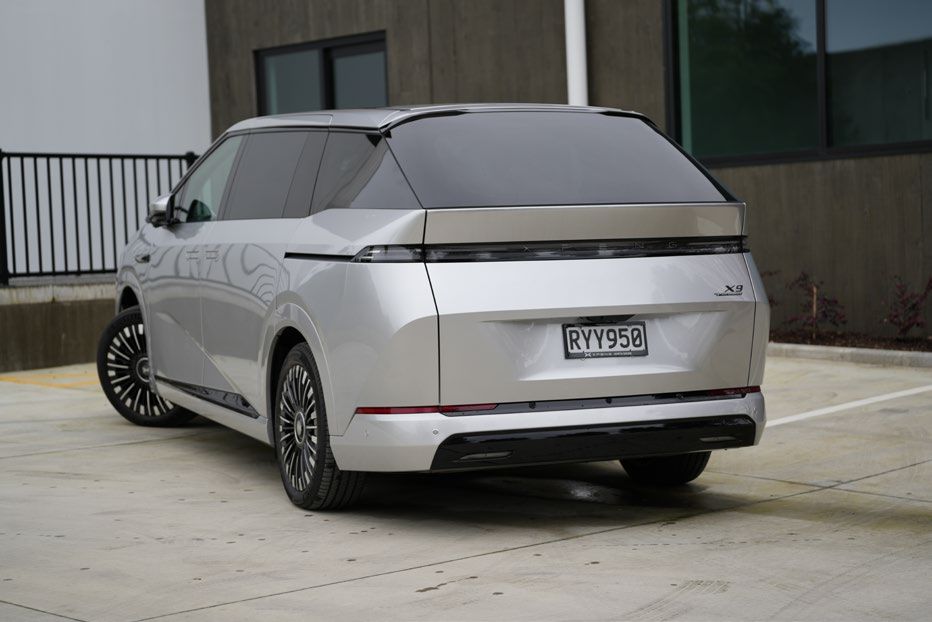
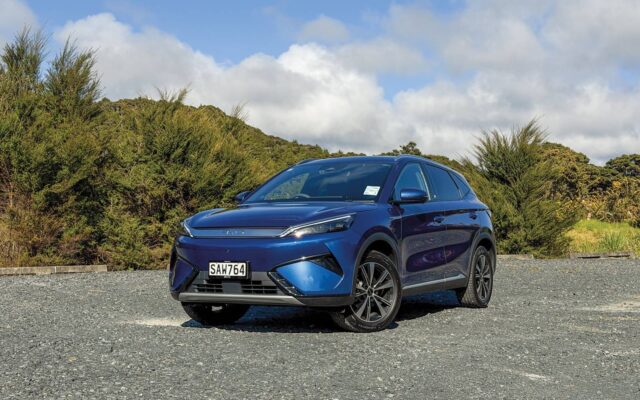
It is enormous, for a start. At nearly 5.3 metres long on a 3.2 metre wheelbase, it dominates anything parked alongside it. And it is styled like nothing else in the segment. The nose is bluff, with active vents that open as the car unlocks, a full-width light bar and headlights buried low in the bumper. XPeng calls it a flagship. We kept calling it a space-ship.
Two versions are on sale here. The front-drive Standard Range is $104,990, and the AWD Performance tested here is $124,990. Its most obvious rival is the Zeekr 009, and model for model the XPeng is around $33,000 to $38,000 cheaper. It is also the more modern car.
A New Zealand charging record
The number that matters most here is 337kW, the peak charging rate we saw at ChargeNet’s Kaiwaka site, where new 400kW hardware is currently limited to 345kW during commissioning. Starting from three per cent with the battery preconditioned, the X9 was past 300kW within four minutes and had taken on 18.5kWh in that time. After 19 and a half minutes it had added 97kWh, which is enough for roughly 500km of driving, and was sitting at 87 per cent. We called it at 93 per cent after 23 minutes with 104.7kWh added.
That makes it the fastest public charging session we have recorded in New Zealand, and the car was nowhere near its limit. The charge rate was still being held back by the charger rather than the battery when we stopped. XPeng rates the X9 at up to 542kW, so the record will fall again as soon as the hardware catches up. In practice it means a road trip car that refills in about the time it takes to use the bathroom and buy a coffee.
AC charging is a modest 11kW, which means a full overnight refill of the 110kWh battery from low takes around 11 hours. The charge port has an electric flap, but you still have to pull out two cheap plastic dust caps before plugging in, which rather defeats the purpose.
Seven seats that all work
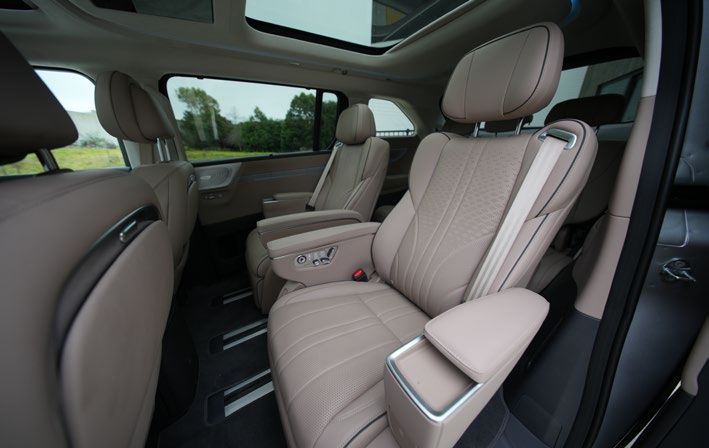
Open the electric sliding doors and the interior is where the X9 earns its price. The second row is the place to be. Two large captain’s chairs recline, raise a leg rest and drop into a zero-gravity setting at the touch of a button, and they feel roomier than the equivalent seats in the Zeekr. A large roof-mounted entertainment screen is internet connected in its own right, so there is no tethering a phone. Netflix, Disney, Spotify and YouTube are all there, and the voice assistant will turn it on from the back seat.
The third row is properly usable. Two adults fit comfortably, with real space for feet under the seats in front, heated cushions, adjustable backrests, a USB-C port and electric slide for access. Three adults across is a squeeze, there is no centre armrest and headroom is a little tight thanks to the tapering roofline. But it is far better than most.
Even with all seven seats in use there is 721 litres of luggage space. Hold two buttons and the third row headrests drop, the backrests fold and the whole bench tucks flat into the floor, leaving 2,554 litres with the second row still in place. Four people and bikes is realistic. There is no frunk, so that is your lot for storage up front.
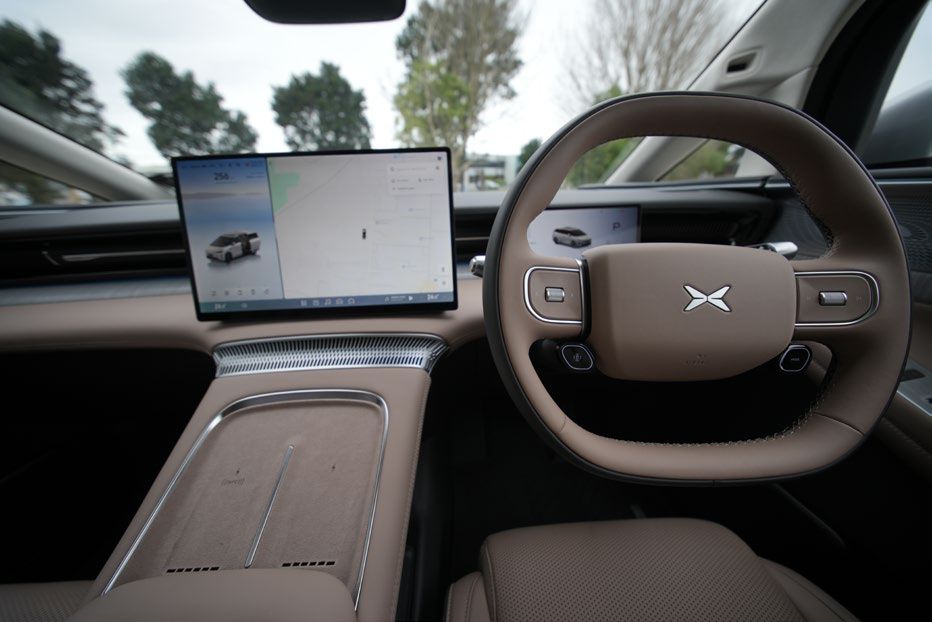
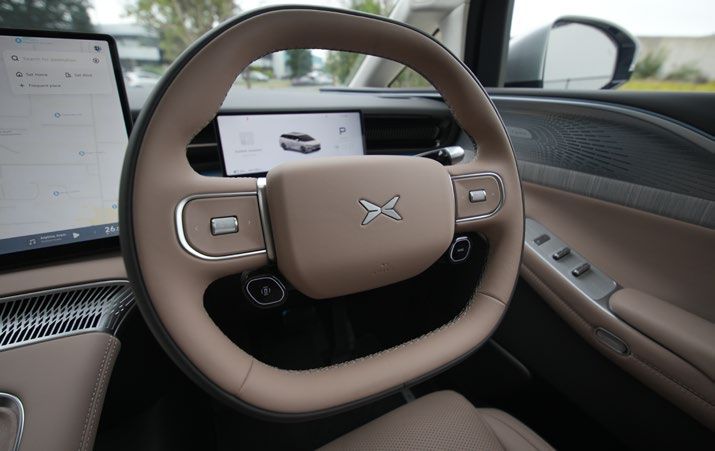
The driver’s environment is nicely finished. A wide dash is broken up by large speaker enclosures, there is real metal trim rather than plastic imitation, and twin high-speed wireless phone chargers sit ahead of the squared-off wheel. The huge central screen is usually split between a live model of the traffic around you and navigation, with Apple CarPlay and Android Auto on tap. The system is a close relative of the one in the G6 and remains one of the simpler Chinese interfaces to live with.
Every seat is heated, the front four are ventilated, the front pair massage, the wheel is heated and there is a refrigerator in the back. Data connectivity for app control is free for ten years; multimedia data is free for a year, with ongoing pricing yet to be confirmed. Cabin storage is only average, with a small centre bin and nothing in the doors big enough for a large bottle.
The pop-out door handles were our main frustration during the test. They seemed slow to sense the phone key and getting in and out sometimes meant a wait. We later discovered the digital key sensitivity is adjustable in the settings, so your mileage may vary. Soft-close doors and push-button sliding rears are some compensation.
Drives like an SUV
The Performance has 370kW and 640Nm, enough for 0-100km/h in 5.9 seconds. It never feels like a sports car off the line, but it picks up its skirts and goes, and with a full load of passengers it never felt short of urge.
It is efficient too. Around town we saw as low as 17kWh/100km, a good figure for something this size. XPeng quotes a WLTP range of 580km from the 110kWh NMC battery and we think 450 to 500km is a safe real-world expectation. With charging this quick, the gap between the two matters less than it would in most EVs.
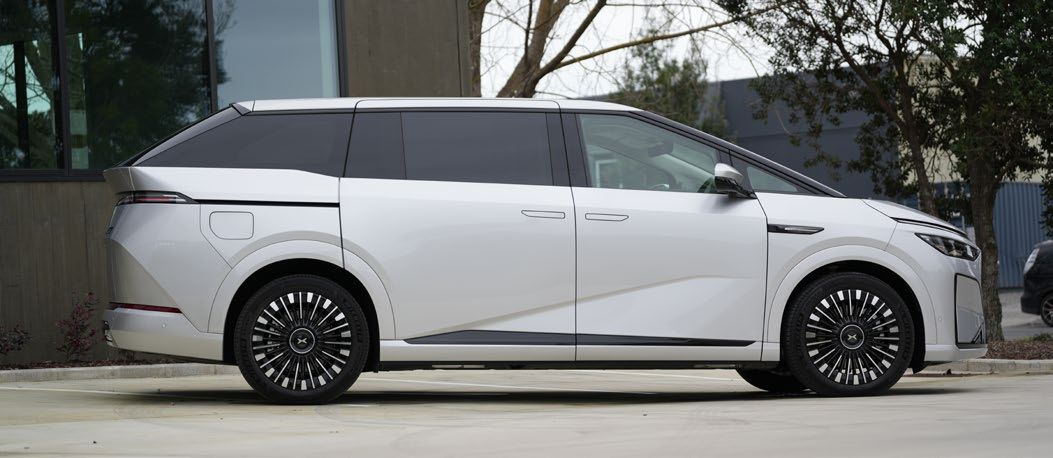
Dual-chamber air suspension is standard, with around 90mm of ride height adjustment across six manual levels and distinct comfort and sport settings. Rear-wheel steering is also standard, which helps a 5.3 metre vehicle in tight car parks. The driving position is SUV-like rather than van-like, with plenty of reach and rake in the wheel and a wide range of seat adjustment. Vision is good, helped by a camera-based rear mirror that still works with the cabin full of heads.
On the open road grip is never in question. The nose will push wide if you overdo it, as you would expect with well over two tonnes on the move, but there is more front-end bite than the Zeekr and it feels better than a vehicle this size has any right to. It is very quiet on coarse chip and in the wet. The brakes are strong but the pedal feels a touch soft in initial response, even in the most aggressive setting. In comfort mode with the ride height raised there is a faint suspension noise, common in air-sprung cars and not something most owners would notice.
Safety and assistance
There is no ANCAP or Euro NCAP rating yet. The X9 holds a five-star China rating and has been designed to that target, with nine airbags including curtains that extend to the third row, something not every Chinese seven-seater manages. It has SOS calling and is technically eligible for ANCAP’s current protocol, though whether a niche vehicle gets tested is another matter.
The driver assistance suite is comprehensive and mostly well judged. On the motorway the X9 will largely drive itself. On B roads it slows aggressively for corners, and while that can be switched off there is no middle setting. This is the first XPeng sold here running the company’s in-house Turing AI chip rather than NVIDIA hardware, though XPeng’s more capable hands-free driving system is coming in later models rather than this one.
One thoughtful detail is that if a warning chimes repeatedly, the car offers to silence it for the rest of the drive rather than making you dig through menus to turn it off. Parking assistance and remote pull-out via the key are also fitted. Towing is 750kg unbraked or 1,500kg braked, with the electric tow bar a $2,400 option.
Verdict
It is easy to be impressed by a $125,000 car full of features. What impresses about the X9 is how well those features are executed. The seating works, the cabin feels expensive, it drives like a decent SUV rather than a heavy van, and it charges faster than anything else on New Zealand roads.
Compared with the large luxury SUVs it undercuts, some of which now carry price tags well north of $100,000, it looks like strong value. We did not expect to say that about a people mover.
Watch our full video review of the XPeng X9, including the Kaiwaka charging record:
This review first appeared in issue 05 2026 of EVs & Beyond magazine, which you can download free here.

Join the conversation