
SmartView will allow charger availability check
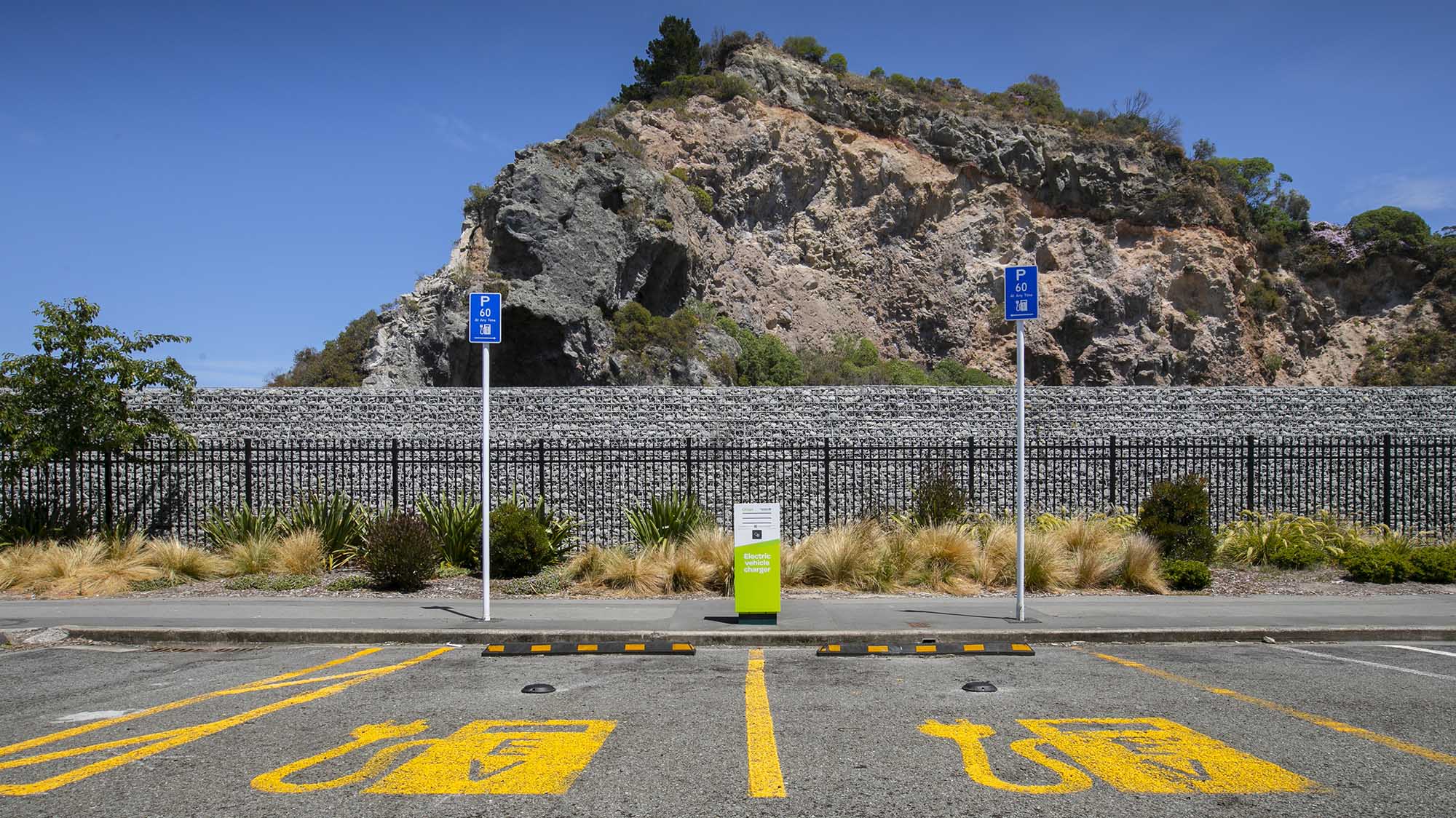
How EVs use public charging and parking sites and whether they are overstaying their welcome will be determined under a Smart Christchurch plan to use new parking occupancy sensors in the city.
The sensors will be installed at Christchurch City Council EV-charging parking sites – that provide real-time information to the council’s SmartView site, according to the council’s Newsline service.
The project will also determine if there are enough charging spaces in the city.
The sensors allow EV drivers to check the availability of public chargers as well, access to the SmartView real-time updates provided by the end of February.
Council Smart Christchurch programme manager Michael Healy says the project is “to establish just how EV charging sockets across Christchurch and Banks Peninsula are being used”.
“The new sensors will provide real-time information on occupancy rates for all 32 council-controlled public EV parking spaces,” he says.
“The sensor data will help EV drivers find empty charging parking spaces and also reveal to the council if these spaces are being used for longer than the allotted parking time.”
Data from the sensors will be tracked to check everyday use.
“It is important to establish that the charging spaces are being used as intended, and the parking sensor data will help inform the council of the need for any changes to public EV-charging space use or infrastructure,” Healy says.
“We may also find that we need more EV-charging spaces or that they are most used in certain areas.”
The council has been involved in a range of initiatives to encourage the uptake of battery electric vehicles (BEVs) and charging infrastructure, council resource efficiency manager Kevin Crutchley says.
This has resulted in the installation of 30 public EV charging sockets and a rapid charger on council-controlled properties.
Fifty-nine public charging sockets have also been installed in business public car parks with the support of a Christchurch Agency for Energy funding grant.
“The installation of the real-time parking occupancy sensors will assist EV drivers to better see what EV-charging parking locations are available when looking for public parking charging options at council-controlled properties,” Crutchley says.
“The parking occupancy data gathered will also assist the council with EV-charging infrastructure planning decisions.”

Join the conversation