
COVID prompts Kiwis’ shift to cleaner, greener future
New Zealanders are turning more to clean energy like solar and green hydrogen along with e-mobility in the wake of the COVID-19 pandemic.
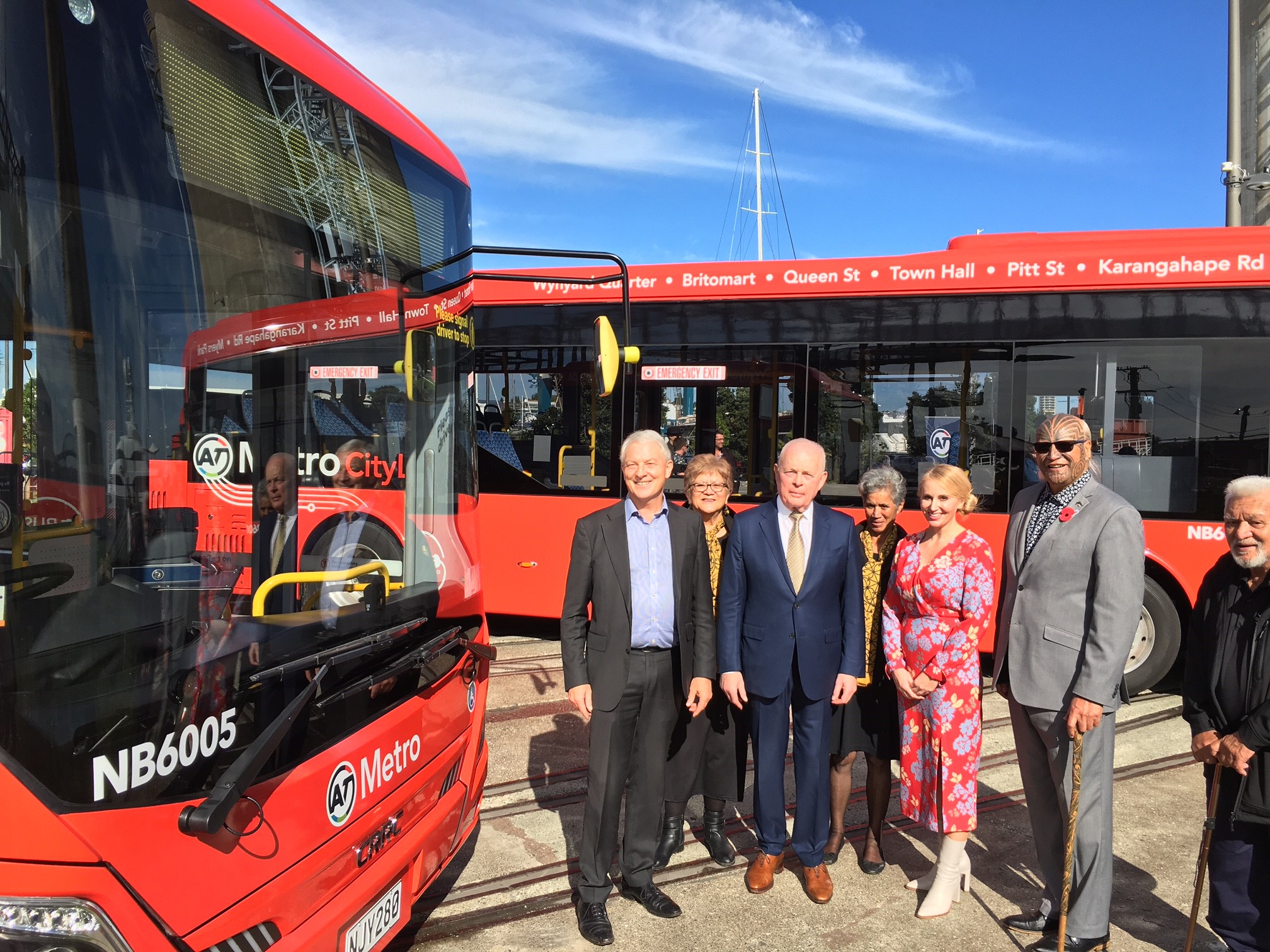
More than half of New Zealanders (53%) would like to see increased investment in cleaner, greener public transportation being prioritised over further investment into infrastructure like roads and highways.
That’s among survey findings from professional services company GHD which operates in the global markets of water, energy and resources, environment, property and buildings, and transportation.
It highlights how changing attitudes and behaviours could shape the world of energy.
When it comes to thinking about the future of energy, sustainability, affordability and accessibility are the three key elements to consider, GHD business group leader Nick Eldred says.
“In 2020 we saw record reductions in carbon footprints across the world as lockdowns forced people to stay home, reducing their use of personal vehicles and international travel,” he says.
“There’s no reason we can’t keep these gains going. Our key outtakes from these survey results show accessibility to affordable, new, sustainable technology and infrastructure seem to be the main barrier to entry for Kiwis.
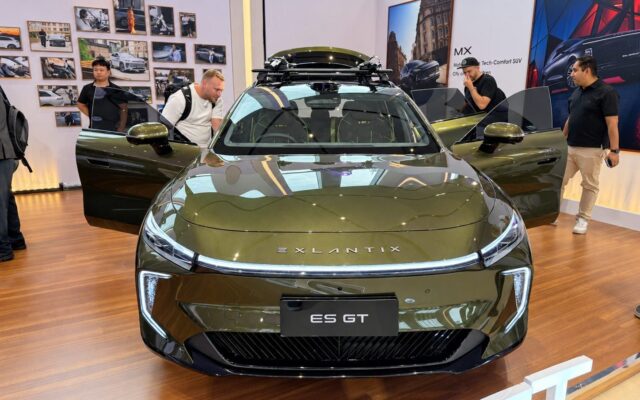
“Looking at interest in electric cars for example, we know the appetite is there – but Kiwis are worried about access to sufficient charging infrastructure and the cost.”
Only about 3% of Kiwis currently own a fully electric vehicle, with an additional 5% owning a hybrid.
The survey found that over a quarter of New Zealanders (27%) would consider an EV if they could install a charging station at their home, while 32% would consider one if they could be confident accessing reliable charging infrastructure in their local area.
“While current uptake of electric vehicles is low across New Zealand, if we get the infrastructure right the desire to switch to EVs is looking optimistic,” Eldred says.
“However, this is where affordability will come into play. The Government has the opportunity to show leadership over the transformation of transport, one of our largest carbon emitters, and the affordability of EVs. To enable this transformation, the required infrastructure and potential subsidies need to be considered.”
The survey reveals that with time in lockdown to reflect 55% of Kiwi respondents say they have become more environmentally aware since the pandemic started, while 68% believe their daily habits will change in the long term due to COVID-19.
Nearly 60% of Kiwis would consider ground source heat pumps, almost 50% would consider hydrogen batteries and 45% would consider a hydrogen boiler if they were more readily available and accessible.
While 16% of Kiwi respondents say they often struggle to meet the financial cost of energy in their homes, almost three quarters of those (71%) say they would consider solar panels as an option if they were more readily available, affordable and accessible.
This group is also more likely to consider ground source pumps (68%), hydrogen batteries (62%) and hydrogen boilers (62%).
The pandemic also changed the way we work, with at least a quarter of Kiwis (27%) saying they anticipate more working from home in future.
Prior to the COVID-19 lockdowns, the average number of days Kiwis worked from home was 1.2 – this expected to increase to three days.
“The cultural shift in how Kiwis are working is a great start to further reductions in carbon emission from vehicles,” Eldred says.
“As working from home becomes more commonplace, the next step will be making our homes more eco-friendly through alternative energy supplies.
“As the countdown continues to be net zero by 2050, these changing attitudes coupled with government projects like the NZ Battery Project put Aotearoa on the right track to become a nation built on a low carbon economy.”
The survey was held among 8041 consumers within the UK, US, Canada, Australia, New Zealand, and Singapore.
The interviews were done online by Sapio Research in February 2021 using an email invitation and an online survey.

Join the conversation (1)
The govt. needs to implement immediately, a policy of a subsidy for the public to be able to purchase a fully electric vehicle. just do it!!!