
Tesla Roadster will be left-hand drive only, NZ website says
Tesla’s NZ website says the new Roadster will be left-hand drive only, as details emerge of four versions including one that can fly.
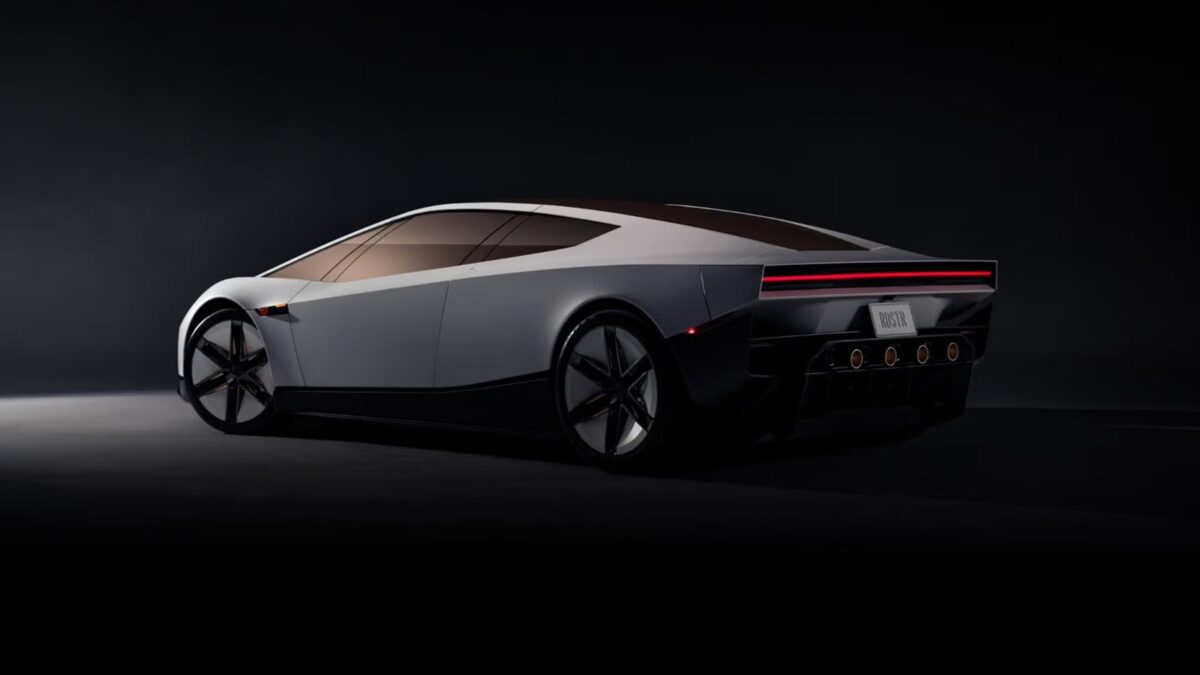
Tesla’s new Roadster will be built in left-hand drive only, according to the car’s page on Tesla’s New Zealand website.
The page, updated after this week’s reveal, states that the Roadster is “available as a Left-Hand Drive vehicle only” and that availability is subject to each region’s legal requirements. New Zealand requires new vehicles to be right-hand drive, apart from a small number of exemptions.
Tesla opened New Zealand reservations in September, asking for $73,000 in deposits before the car had been shown. The New Zealand reservation link now leads to the Roadster information page, which offers only a sign-up for updates. Tesla’s reservation terms say deposits are refundable until a purchase agreement is signed.
Tesla has still not published a specification sheet or prices. Most of the detail so far has come from Tesla’s own website and an hour-long TopGear interview with chief engineer Lars Moravy and design chief Franz von Holzhausen, as reported by InsideEVs and Not a Tesla App.
Four versions
Tesla’s reservation page lists three versions. Performance, available by reservation, has two seats, active aerodynamics and a fan-powered suction system. Thrust, a limited release, adds cold-gas thrusters at the rear that Tesla says take it from 0-100km/h in under a second.
Rocket, available by invitation only, has a single seat and thrusters around the car that Tesla says support “forward and upward acceleration as well as lateral rotational movement. So yes, it can fly.” Tesla notes that it is not approved for public road use and is not available in all regions.
A fourth, entry version with more than 800kW was described by Moravy in the TopGear interview. It does not yet appear on Tesla’s reservation page and, according to Not a Tesla App, does without the suction fans.
Suction fans and thrusters
From the Performance version up, the Roadster has a multi-mode fan and ground-sealing system that pulls air from under the car. Tesla claims it produces enough suction to hold the car upside down, even when stationary. Active wings work with the fans, and a Track Mode lowers the car on its adaptive suspension and switches between high-downforce and low-drag settings. The fans retract to avoid road debris.
The Thrust version stores compressed gas in a 200-litre tank in the boot, feeding four nozzles at the rear. Not a Tesla App reports that the Rocket replaces the passenger seat with a further 400-litre tank, for 600 litres in total, and adds six nozzles at the front and sides for lift and yaw control. Each burst lasts about five seconds. Moravy said a refill currently takes two to six hours using a high-pressure nitrogen system, and Tesla is working on cutting that to under 30 minutes.
At the reveal, the car ran 0-97km/h in 0.81 seconds with the thrusters engaged, and Tesla says production cars will be quicker.
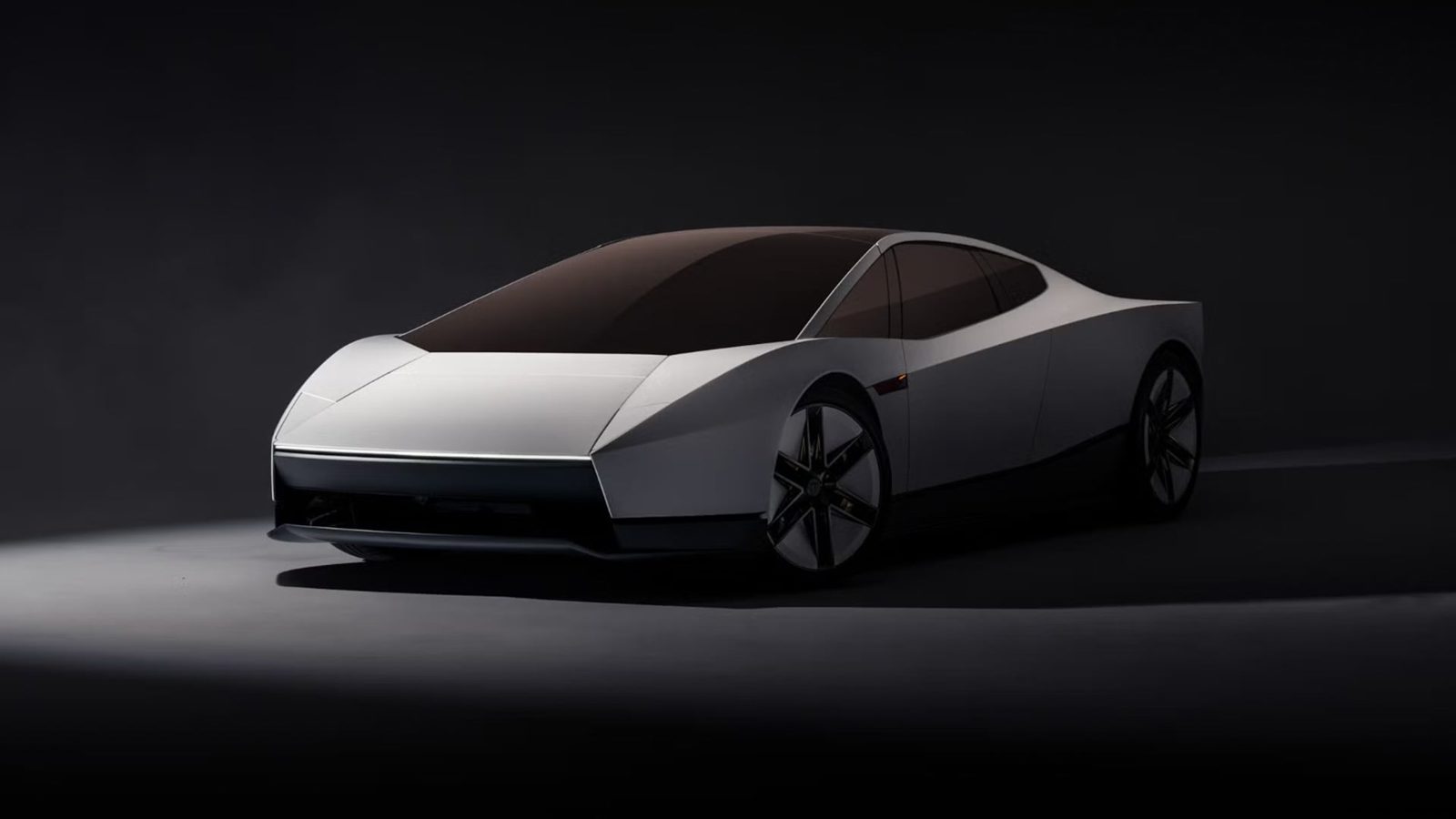
Powertrain and chassis
According to the TopGear interview, the higher-output versions make more than 1000kW from two motors at the rear, with rear-wheel drive and torque vectoring. The battery runs at between 800 and 1000 volts, and Not a Tesla App reports a capacity of about 150kWh. Tesla claims a 15 to 85% charge in about 10 minutes on its newest Superchargers and around 500km of range in normal driving.
The top speed is currently 344km/h, with 530km/h the target. The chassis is a new aluminium and carbon-fibre design with magnesium and titanium used to save weight, and the lightest version weighs about 1700kg. It has carbon-ceramic brakes, brake-by-wire and steer-by-wire.
Inside
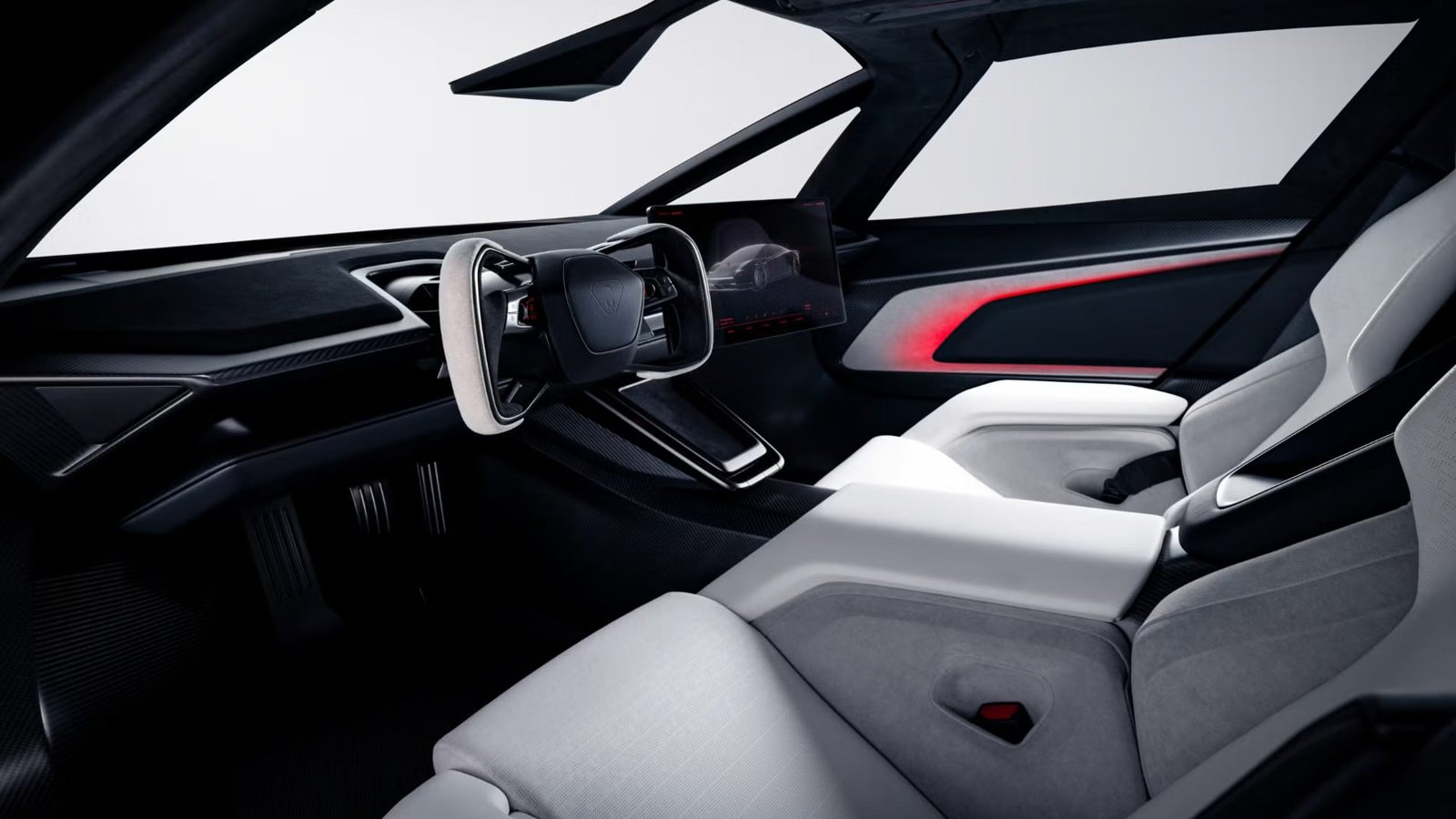
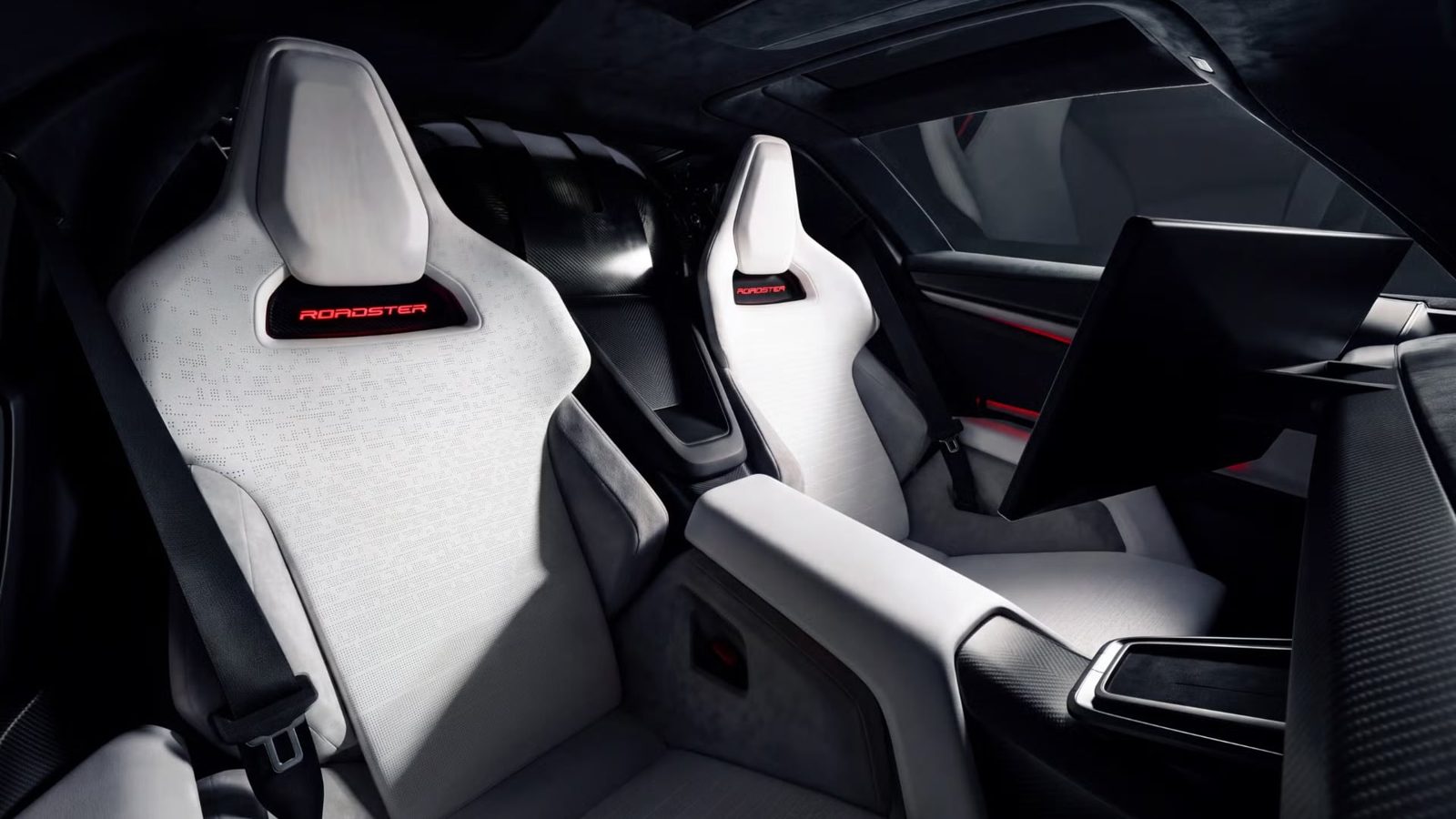
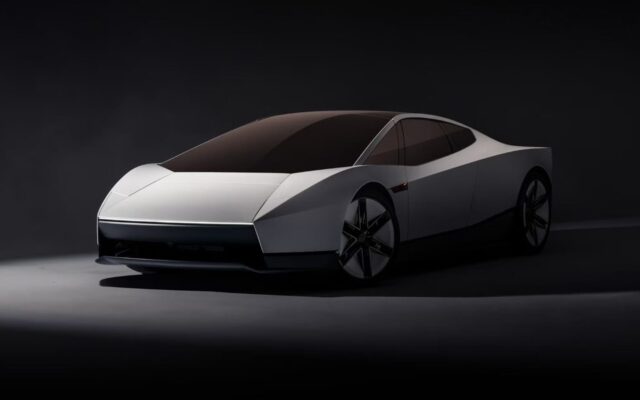
The doors open upwards, and InsideEVs reports that their upper glass can be removed for a T-top. The seats are fixed to save weight, with the pedals adjusting instead and only the seatbacks moving. The white Supersonic interior has grey microsuede bolsters, a yoke designed for steer-by-wire, a centre touchscreen and two smaller displays ahead of the driver.
Outside, Tesla’s Ano White paint is based on aerospace coatings, and the windows have a gold tint inspired by spacesuit visors.
Tesla has not said whether the Roadster will get its FSD (Supervised) driver assistance system. Production is planned for Texas in 2028. In the United States, Tesla is still asking for a US$5000 deposit followed by a US$45,000 payment within 10 days.
Tesla Roadster: what we know
- Versions: entry (not yet listed), Performance, Thrust, Rocket
- Power: more than 800kW (entry); more than 1000kW (higher versions)
- Drive: two rear motors, rear-wheel drive, torque vectoring
- Battery: 800 to 1000-volt; about 150kWh (reported)
- Range: about 500km in normal driving (claimed)
- Charging: 15-85% in about 10 minutes (claimed)
- 0-100km/h: under 1 second (Thrust)
- Top speed: 344km/h now; 530km/h target
- Weight: about 1700kg (lightest version)
- Brakes: carbon-ceramic, brake-by-wire
- Steering: steer-by-wire with yoke
- Production: Texas, from 2028
- Price: not announced
- Drive position: left-hand drive only

Join the conversation