
US fossil fuel tax breaks ending?
A US$259.5 billion package of clean energy tax credits includes $31.6b in consumer incentives for EVs and would end tax breaks used by the fossil fuel industry.
The legislation which the senate finance committee can advance would overhaul the current menu of energy tax breaks, consolidating credits for renewable energy sources and offering incentives to any energy source that has no carbon emissions, Bloomberg reports.
It provides tax credits for electricity production and investments, tax breaks for energy efficient homes and buildings and incentives for transportation, including EVs and clean fuels.
In spite of an even split, Democrats can advance the bill to the senate floor under chamber rules Bloomberg adds.
The plan would eliminate or scale back US$24.5b worth of tax breaks benefiting oil, gas and coal.
Expansions to the bill increased the total cost by about US$45b, including an additional US$10b for EVs.
Bloomberg suggests the EV tax credit extension could help motorists looking to buy from Tesla, General Motors, and Ford – the latter saying it plans to boost spending on electric models by US$30b.
Car buyers could claim credits of as much as US$12,500 for cars assembled in the US at plants where workers are represented by unions.
The credit only applies to vehicles where the suggested retail price is US$80,000 or less, and the plan includes incentives for electric commercial vehicles.
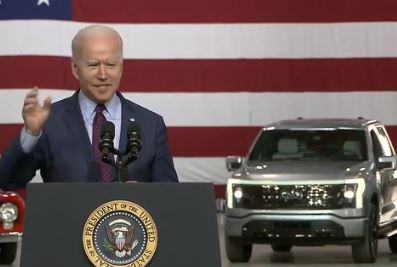
The legislation is one of the first bills related to president Joe Biden’s US$4 trillion economic agenda to advance out of a congressional committee.
Bloomberg supposes bill elements are likely to be incorporated into an economic package that Democrats hope to pass later this year.
Meanwhile, Electrek says the US$12,500 EV credit gives less to Tesla vehicle buyers and that the proposed new legislation appears to have been crafted to block Tesla’s access to the full incentive since it is one of the few automakers whose workforce is not controlled by the United Auto Worker (UAW) union.



Join the conversation