
Mitsubishi Fuso lays out carbon neutral action plan
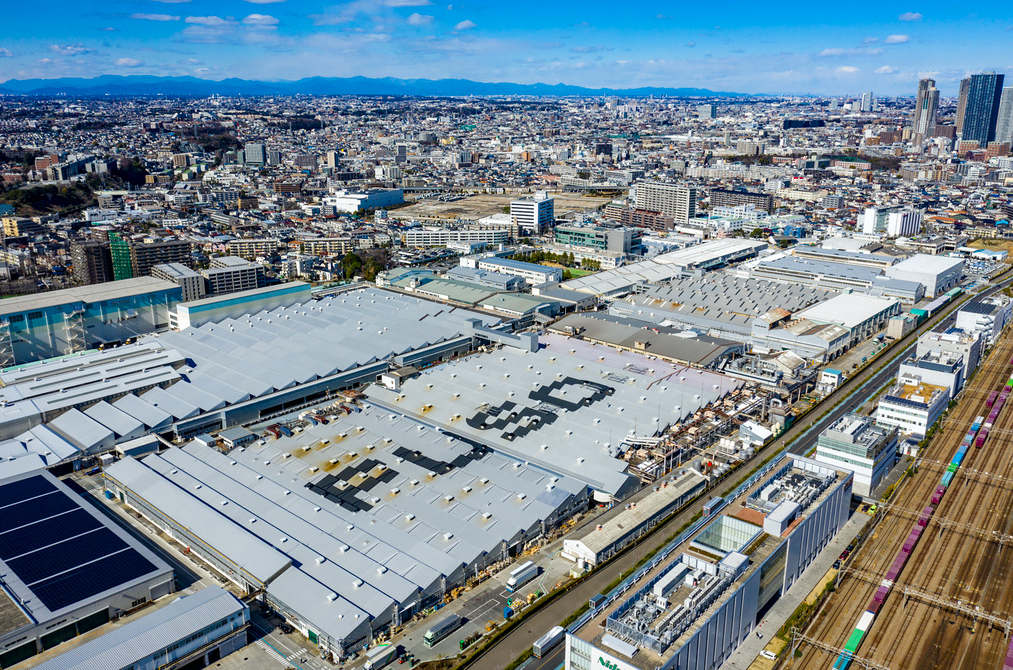

Mitsubishi Fuso Truck and Bus Corporation (MFTBC) is aiming to have all its production sites carbon neutral within the next 20 years and electric vehicles will play a key role.
The Tramagal plant in Portugal will become carbon neutral by 2022 while the Kawasaki, Toyama and Nakatsu plants in Japan will be CO2 neutral by 2039 “at latest”, the company says.
It follows a recent announcement by the Japanese Government which stated it would “aim to become carbon neutral including the entire supply chain” in its action plan for the Green Growth Strategy, which was approved by the cabinet in June 2021.
MFTBC says it follows the Daimler Trucks & Buses target to offer only new vehicles that are CO2-neutral in driving operations (“tank-to-wheel”) in Europe, Japan and North America by 2039.
Along with series-produced battery-powered vehicles which will soon be rolling out in the main sales regions of Europe, the United States and Japan, the company wants to supplement its vehicle portfolio by adding series-produced hydrogen-powered fuel cell vehicles by 2027.
The ultimate goal is to achieve CO2-neutral transport on the road by 2050, it says.
Initiatives at the Tramagal plant include:
- Contracting green electricity, increasing on-site solar power production and switching to self-consumption
- The entire internal logistics and warehouse fleet is being converted to electric vehicles
- The plant will also be exploring the possibilities of green hydrogen production with the support of solar panels, to gradually replace natural gas consumption
Japanese plant initiatives include:
- Energy saving: reduction of energy consumption in production areas by reducing demand and introducing energy-saving equipment
- Renewable energy generation: reducing CO2 consumption by generating renewable energy
- In 2013 and 2014, solar photovoltaics (PVs) were installed on the roofs of buildings in the Kawasaki Plant
- Installation of additional solar PVs is planned for the near future
- Integration of other energy sources like hydrogen is also under consideration
- Green energy purchase and CO2 emissions factor reduction, in collaboration with electric companies
- CO2 certification

MFTBC says it is also looking to reduce emissions across its vehicle supply chain. This includes revising the number of trucks to deliver components and products, optimising modes of transport, adjusting cargo utilisation and routes and installing electric forklifts.
MFTBC chief executive and president Hartmut Schick says climate change is a topic that needs to be addressed and solved worldwide.
“Therefore, the electrification of commercial vehicles cannot be achieved by manufacturers and customers alone.
“Inter-industry alignment and governmental support will also be vital in establishing effective transformations throughout logistics and the supply chain. Collaborative actions between public and private sectors are essential to succeed in this major challenge,” Schick says.




Join the conversation