
World-scale green hydrogen production partnerships sought
Registrations of interest to develop the world’s largest green hydrogen plant are sought by Contact Energy and Meridian Energy.
The plant has the potential to earn hundreds of millions in export revenue and help decarbonise economies both here and overseas, according to a new McKinsey & Co report.
Green hydrogen is regarded as the most promising energy source to decarbonise sectors such as heavy transportation and industrial processes that rely on fossil fuels. It is produced by using renewable electricity to split water into hydrogen and oxygen.
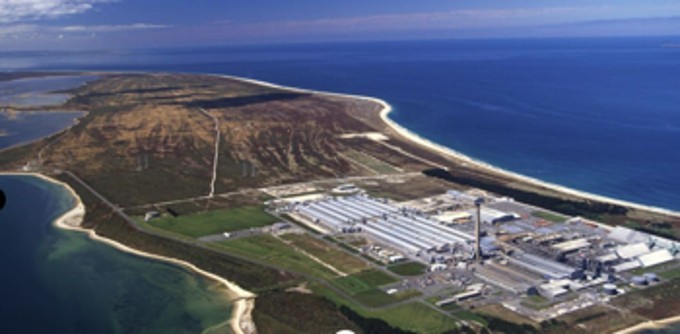
The McKinsey & Co report was commissioned by Meridian and Contact, which are investigating the use of renewable energy in Southland to produce green hydrogen at scale, once the supply agreement with New Zealand Aluminium Smelters finishes at the end of 2024.
More than NZ$200 billion has already been committed by governments and the private sector around the world to support the development of hydrogen economies.
The report estimates global demand could increase more than sevenfold to 553 million tonnes by 2050.
Southland has the potential to be at the forefront of this growth opportunity, the two energy companies say.
“Developing a hydrogen economy based on large-scale production in Southland could deliver significant decarbonisation, economic and energy independence benefits for New Zealand,” Meridian Energy chief executive Neal Barclay says.
“Our renewable energy gives us a valuable head start and competitive edge as markets for green hydrogen develop. Early, large-scale production will allow us to build a domestic hydrogen supply chain and kickstart demand around the country.”
Economic benefits outlined in the report for a 600MW green hydrogen export facility include a one-off addition of up to $800 million to New Zealand’s GDP and the creation of thousands of jobs in construction, as well as up to $450 million and hundreds of additional jobs on an ongoing basis.
Contact Energy chief executive Mike Fuge says green hydrogen production will also support New Zealand’s transition to a 100% renewable electricity generation system.
“This can be achieved by reducing hydrogen production when the country’s hydro lakes are running low, allowing electricity to flow back into the national grid to support local homes and businesses.
“In this mode of operation, green hydrogen could solve up to 40% of New Zealand’s ‘dry year’ problem. This flexibility would see hydro generation replace coal and gas-fired generation and reduce carbon emissions,” Fuge adds.
“Given the low lake levels over the past six months, if this plant had been available this year it could have been used to avoid up to one million tonnes of carbon emissions.”
The Southern Green Hydrogen feasibility study is ongoing, with two further reports being produced later in 2021.
The registration of interest process will run for two months through to October, inviting potential large consumers of green hydrogen, producers of green hydrogen and associated service providers to contact southerngreenhydrogen.co.nz to register their interest.
The BusinessNZ Energy Council (BEC) has welcomed the call for expressions of interest, executive director Tina Schirr saying the move indicates the significant potential for producing hydrogen for fuel in New Zealand.
“New Zealand’s advantage is our wealth of renewable energy that could be used to produce hydrogen.
“A new hydrogen industry could potentially take up excess generation – when it exceeds demand – to the benefit of New Zealand’s energy system as a whole.”
Schirr says much work is required to find a way of cost-effective production and storage, however activities underway by Contact Energy and Meridian Energy show great promise.
The BEC will this week launch a briefing by the World Energy Council, Innovation Insights Briefing: Hydrogen on the Horizon.



Join the conversation