
Electric transport could help protect Milford Sound
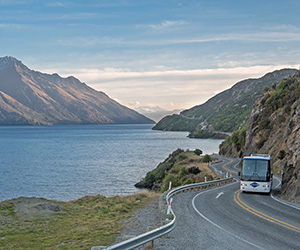
Great potential exists for a world-class zero carbon transport and tourism experience, supported by an effective and sustainable electric or hydrogen transport model, to assist protection of Milford Sound, transport minister Michael Wood says.
Commenting on the release of a new plan to address visitor pressures and safety at the UNESCO World Heritage site in Fiordland, Wood says the Milford Opportunities Project masterplan is a test case for transformational change in tourism.
“The masterplan is designed to protect Milford Sound Piopiotahi and better manage transport infrastructure like the Milford Road corridor,” he adds.
“We have a real opportunity to improve the wider transport hubs and networks servicing this site, to benefit locals, visitors, our infrastructure, our environment, our national park and our future.”
Wood says the project group proposes that New Zealanders will still be able to drive to Milford Sound without charge, and to help preserve the landscape this will be managed with a permit system.
“The masterplan aligns with other strategic goals for transport, such as reduced emissions, increased the use of public transport and improved safety and resilience,” he explains.
About $15 million funding from the Tourism Communities: Support, Recovery and Re-set Plan is confirmed for a dedicated unit and establishment board chaired by Dr Keith Turner who led the expert group, to assess the recommendations and provide oversight of the process from here.
“Tourism at Milford Sound Piopiotahi cannot return to its pre-COVID state,” tourism minister Stuart Nash says.
“Significant pressure from the 870,000 visitors in 2019 undermines cultural and environmental values and infrastructure. As a tourist experience, it was crowded, rushed, noisy and unsafe.”
Nash says the project is an excellent test case for a self-funded, sustainable tourism system paid for by visitors, with costs and negative impacts priced into the tourist experience rather than shouldered by New Zealand ratepayers and taxpayers.



Join the conversation